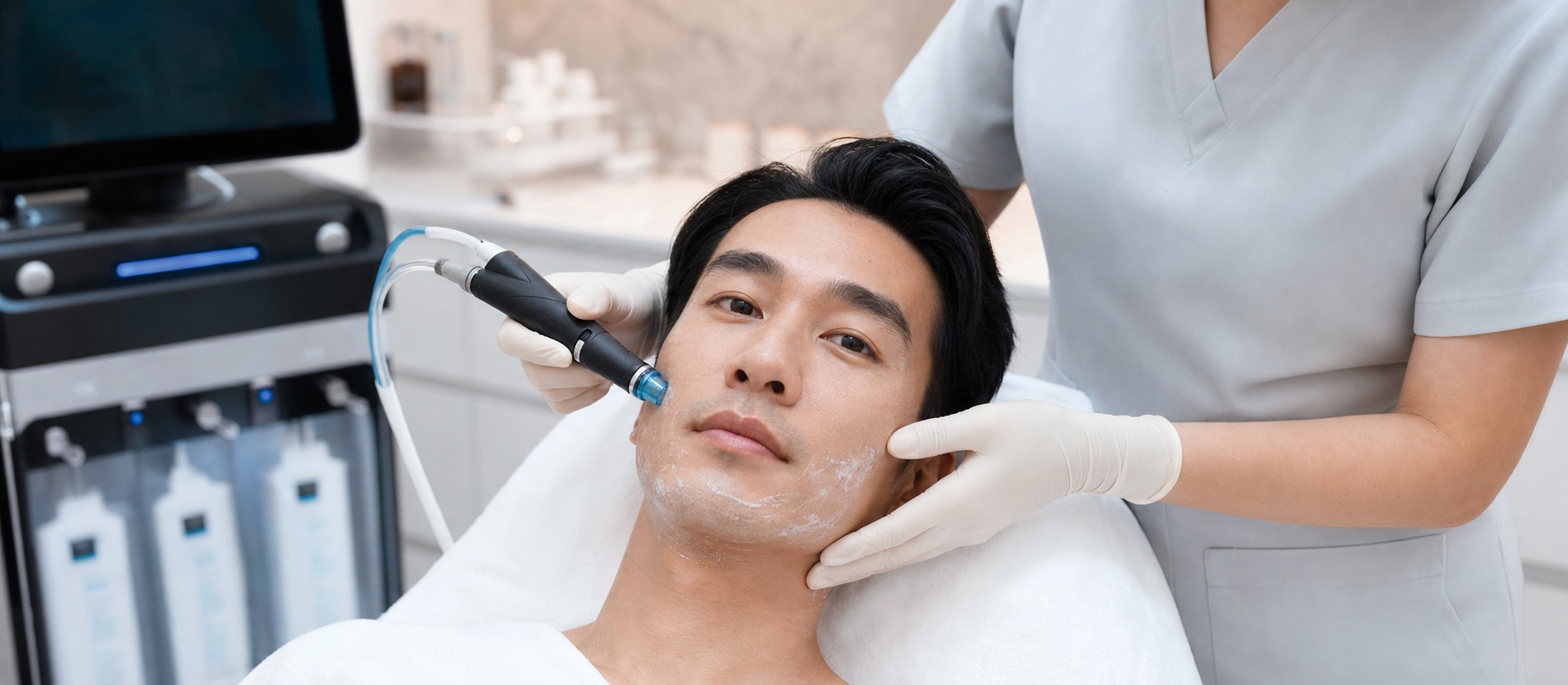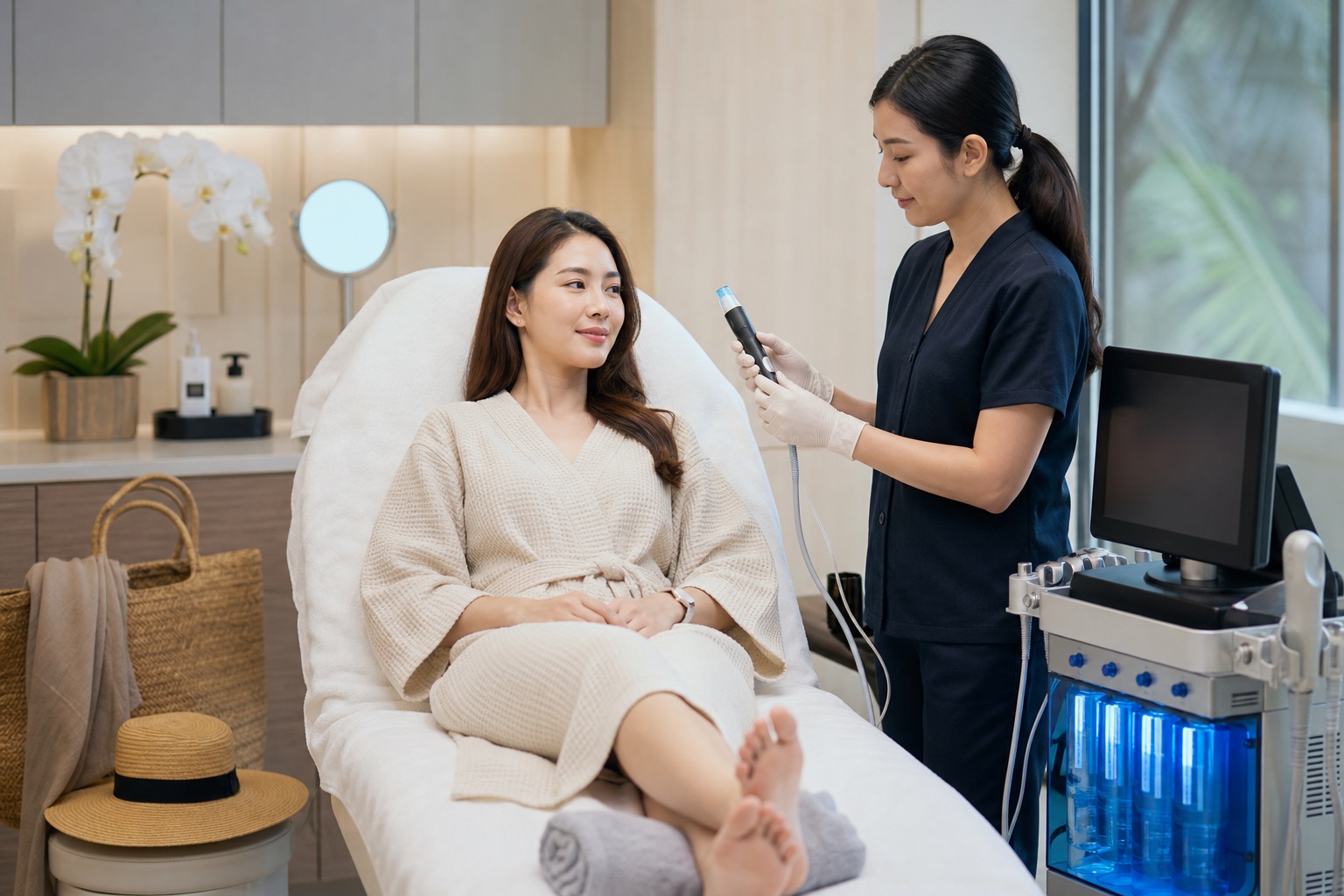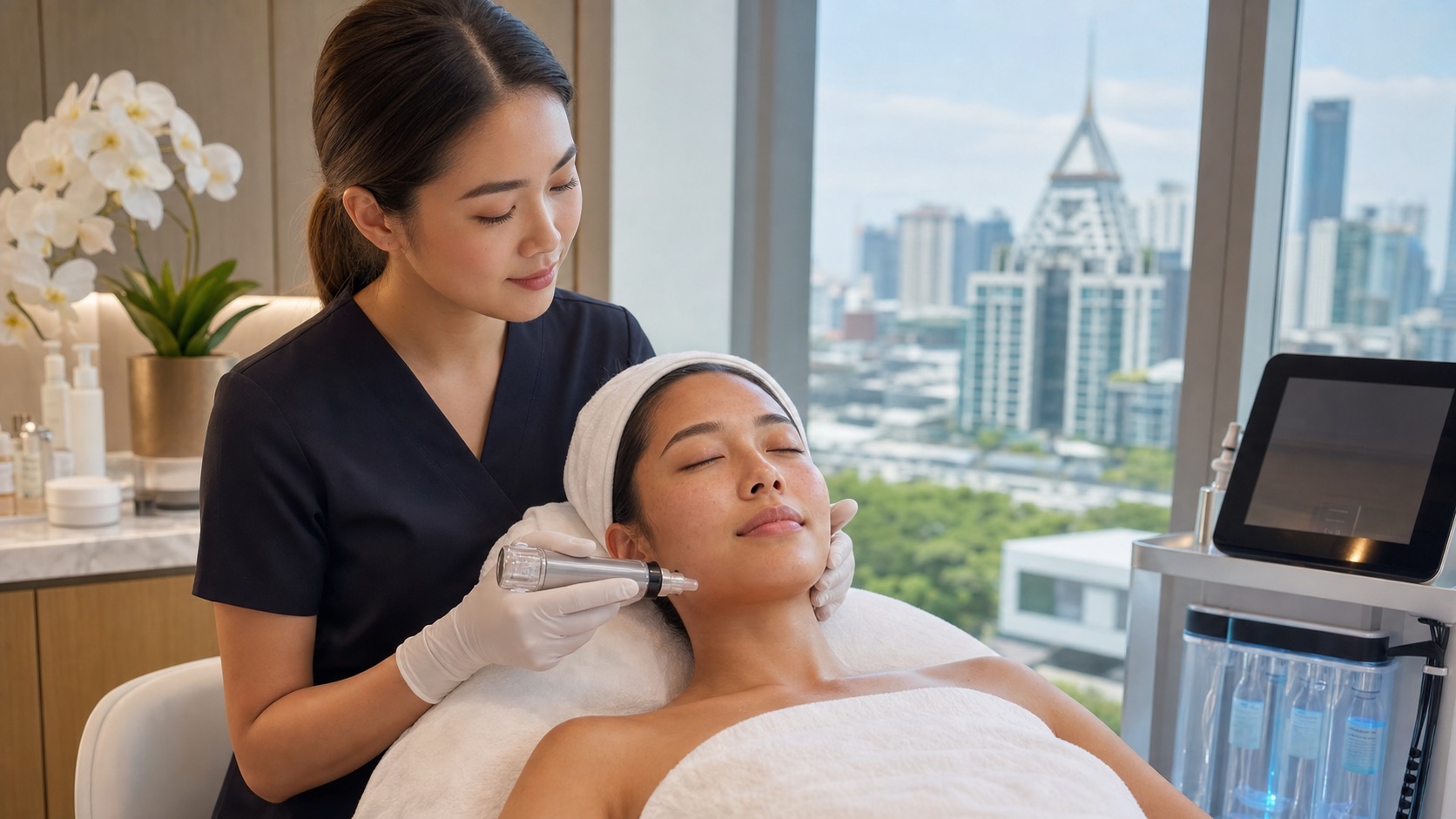
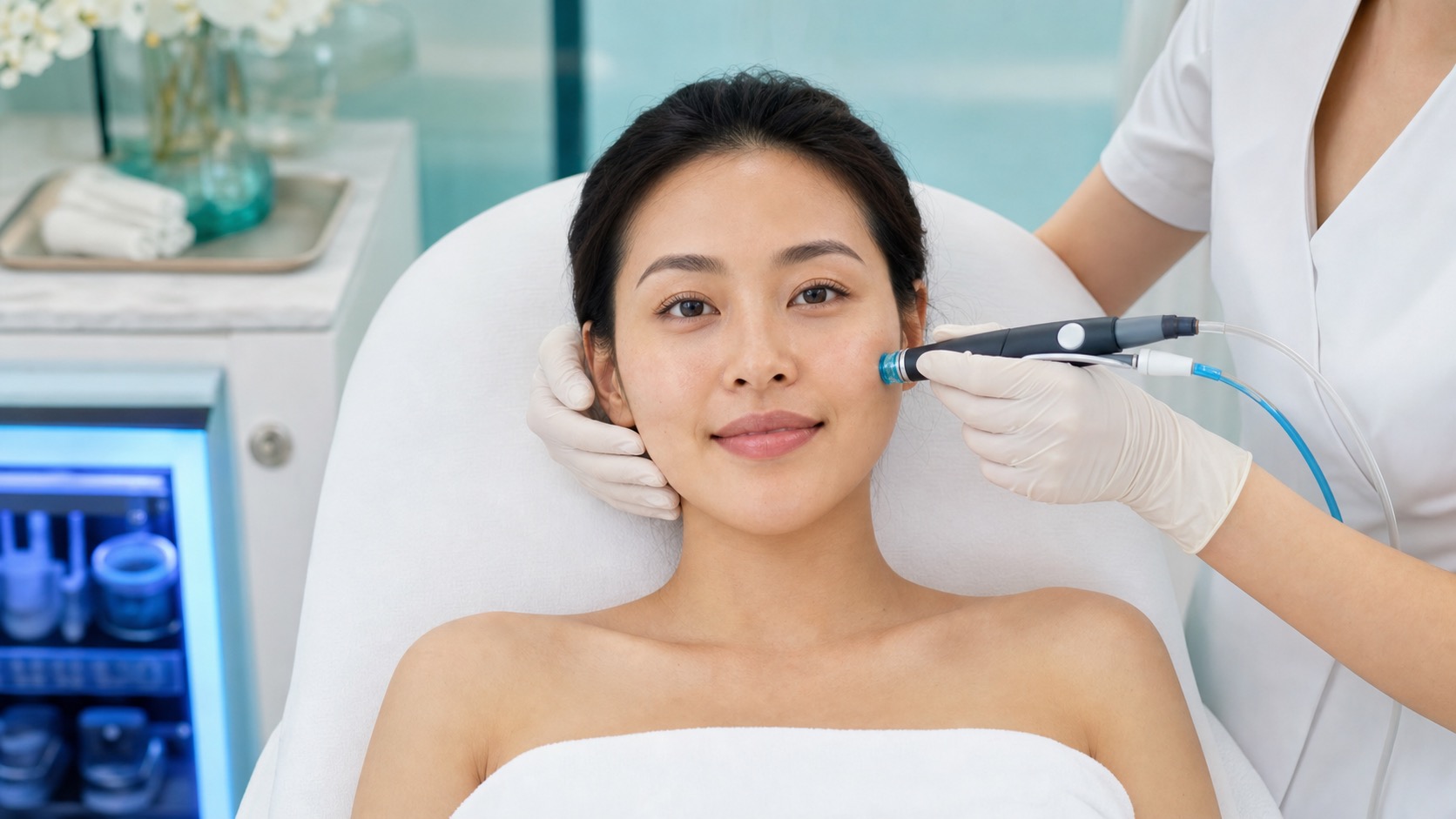
Bangkok has no shortage of ways to work up a sweat. Morning runs in Lumphini, strength sessions before work, reformer classes, spin studios, boxing gyms, and weekend outdoor training all expose the skin to a familiar mix of heat, humidity, sunscreen, oil, and repeated cleansing. Many people notice that after a workout the face looks shinier, feels warmer, and seems harder to keep comfortable for the rest of the day. If you add commuting, helmets, makeup, city residue, or another layer of sunscreen before going back outside, the skin can start to feel congested rather than refreshed.
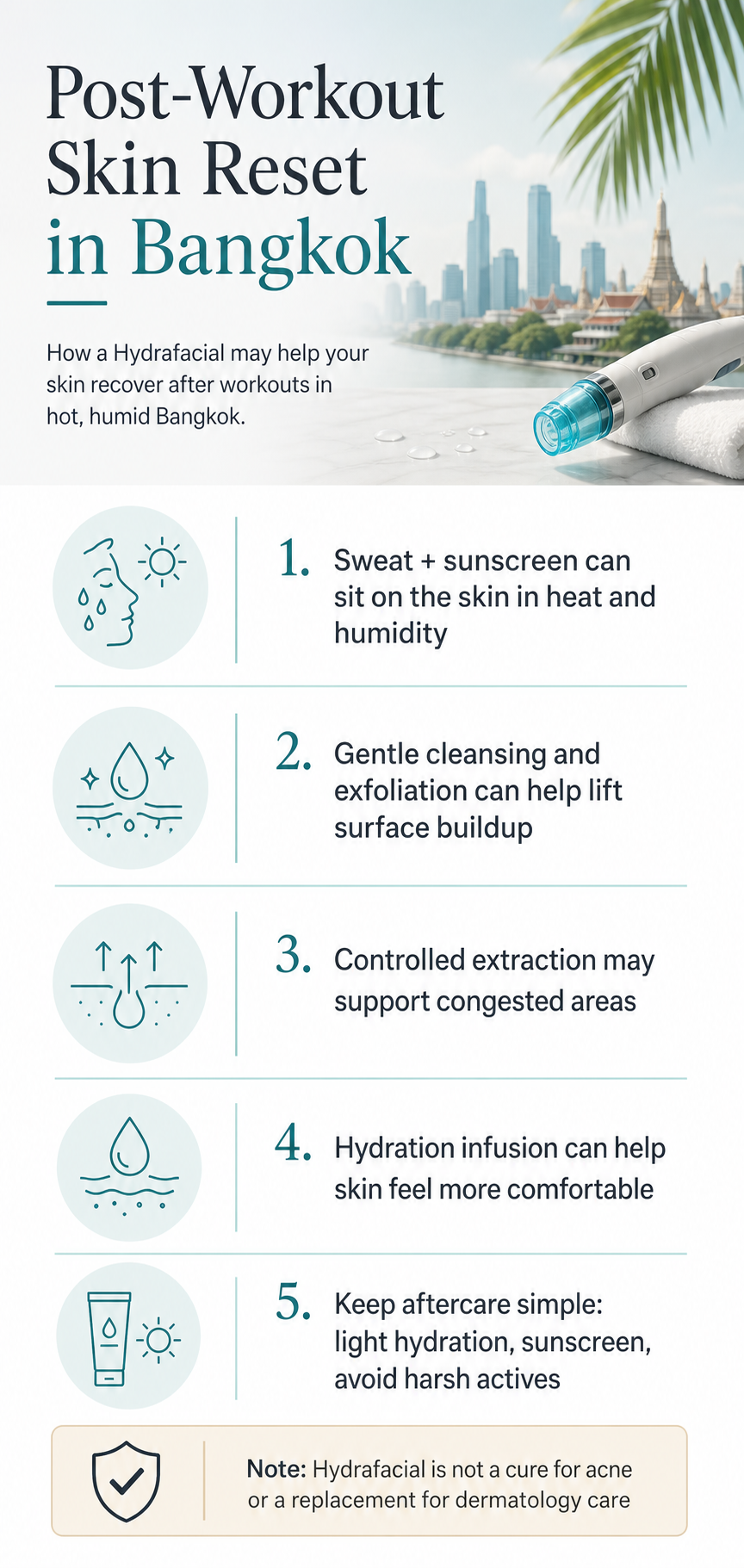
That is where a Hydrafacial can fit as a practical reset rather than an aggressive fix. The treatment is built around cleansing, gentle exfoliation, controlled extraction, and hydration infusion. In the Bangkok context, that sequence can be useful when post-workout skin feels coated, dull, uneven, or both oily and dehydrated at the same time. It is not a cure for acne, not a replacement for dermatology care, and not a guarantee of perfect skin after every class. A better way to think about it is as a structured treatment that may help remove buildup, support clearer-looking pores, and leave the skin feeling more comfortable when workouts and climate are pushing the routine too hard.
Why Bangkok Workouts Can Be Tough on the Skin
Exercise is healthy for the body, but the environment around a workout matters. In Bangkok, the skin often moves between outdoor heat, humid sidewalks, air-conditioned studios, shared gym towels, repeated face wiping, and showers that may come later than ideal. Even when the workout itself is indoors, many people arrive wearing sunscreen from the morning commute and leave the gym needing to reapply it before heading back outside. That repeated layering can leave the skin carrying more residue than expected by the middle of the day.
Sweat, Sunscreen, and Sebum Can Sit on the Skin Longer Than You Think
Bangkok's climate makes post-workout residue more stubborn. When the air is hot and humid, sweat evaporates more slowly, and sunscreen can feel heavier on the skin surface. If you exercised after a workday commute or an outdoor errand, the face may already be carrying oil, pollution, and a morning layer of SPF before the workout even begins. After training, that mix can settle around the nose, chin, forehead, and hairline, which is why many people feel roughness or congestion there first.
Why Skin Can Feel Oily but Dehydrated After Training
One of the most common complaints after workouts is that the skin looks shiny but still feels tight. Heat and exercise can increase oil and sweat, while air-conditioning, repeated washing, and strong active skincare can leave the surface less comfortable. This is especially common for people who do morning workouts and then spend the rest of the day in an office, mall, studio, or car with cold air blowing at the face. The skin may respond by producing more oil even though it still needs calmer hydration support.
That is why post-workout skin needs balance, not punishment. A treatment focused only on extraction can leave the face feeling cleaner but stressed. A routine focused only on heavy creams can trap residue and feel greasy in humid weather. Hydrafacial stands out because the treatment sequence is not just about clearing pores. It also includes a hydration step, which can be especially relevant when the complexion feels both shiny and uncomfortable at the same time.

Where Hydrafacial Fits in a Post-Workout Routine
The best way to position Hydrafacial after workouts is as a planned treatment rather than an emergency reaction to one sweaty day. For people who train several times a week, the skin can slowly accumulate stress from repeated SPF, face wiping, heat exposure, and inconsistent cleansing windows. A structured professional treatment may help reset that cycle. For others, one session before a new season, before photos, or after a period of intense training may be enough to restore some comfort and clarity.
Step 1: Cleansing and Gentle Exfoliation
The first part of the treatment matters because it addresses what many post-workout faces are actually carrying: sweat, sunscreen, excess oil, dead skin cells, and urban residue. Gentle cleansing and exfoliation can help lift that layer from the surface without the roughness of aggressive scrubs. In Bangkok, where SPF use is important year-round and humidity can make products feel heavier, this stage can help the skin feel fresher without trying to make it squeaky clean.
Gentle is the key word. After training, some skin types are already a little warm, flushed, or reactive. A provider should read the skin on the day rather than assume that more exfoliation is always better. If you are using retinoids, exfoliating acids, or acne products at home, mention them during consultation. A conservative treatment often gives a better post-workout result than a stronger one that leaves the skin feeling overworked.
Step 2: Controlled Extraction for Congested Areas
For many active clients, congestion tends to collect in the T-zone, around the nose, along the chin, and sometimes near the hairline where sweat and product can sit longer. A Hydrafacial may help by supporting extraction in a controlled, more structured way than random squeezing at home. This can be useful when the skin looks bumpy or feels clogged after repeated training days, especially in hot weather when residue seems to linger.
Controlled matters here because more is not always better. If the skin is irritated, sun-exposed, peeling from active skincare, or dealing with inflammatory breakouts, a provider may need to reduce intensity or avoid certain areas. This is exactly why the treatment should be customized to the skin in front of the clinician. The best outcome is not the most aggressive extraction possible. The best outcome is cleaner-feeling skin without unnecessary trauma.
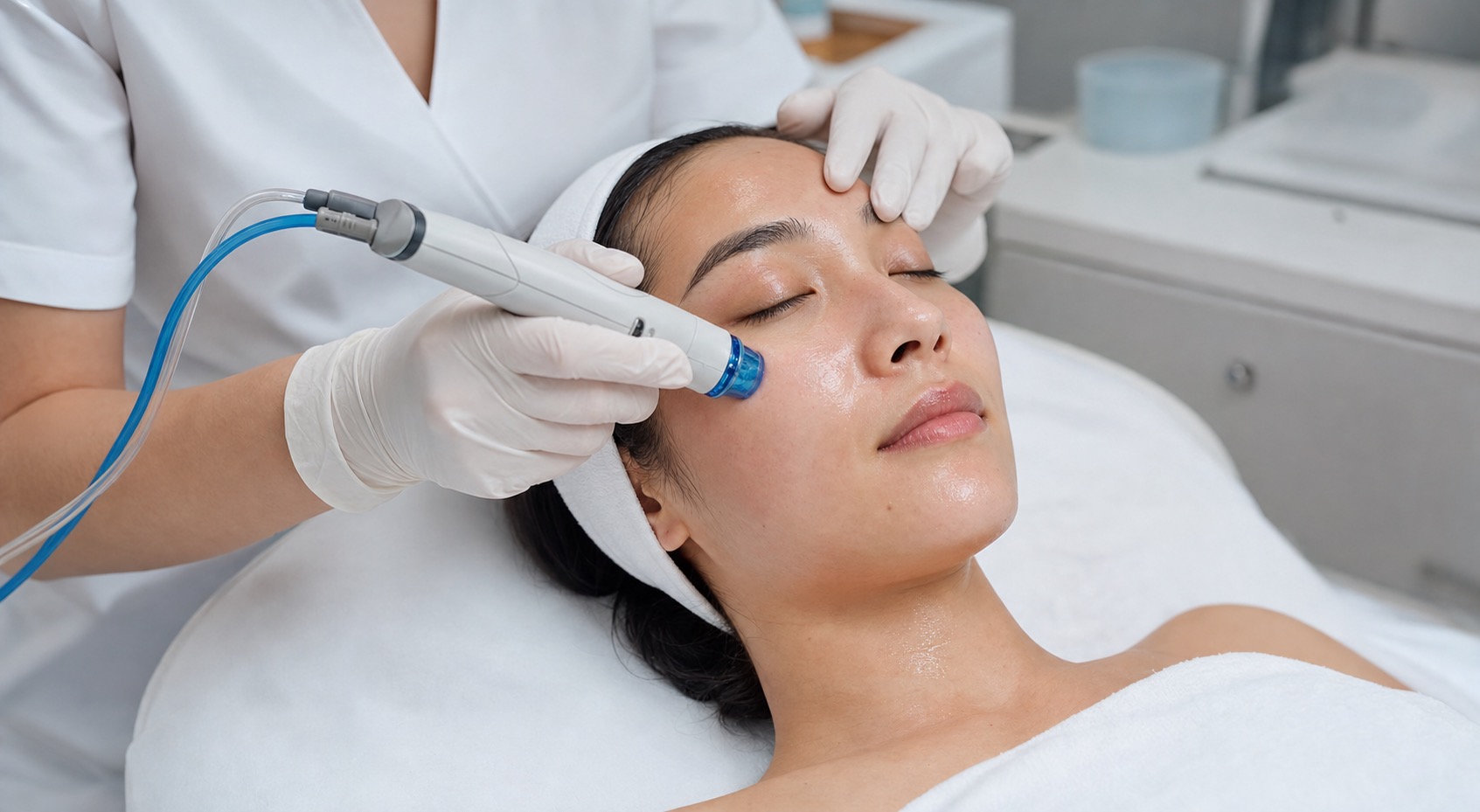
Step 3: Hydration Infusion After Heat and Air-Conditioning
Hydration is what makes the post-workout angle especially relevant. Many people in Bangkok assume that humid air means the skin cannot be dehydrated, but that is not how skin comfort works in real life. Sweat, washing, sun exposure, repeated towel contact, and indoor cooling can all leave the surface feeling less balanced. A hydration infusion step may help the face feel calmer and more comfortable after the cleansing and extraction stages.
This does not mean the skin needs a heavy, greasy finish. In fact, lighter hydration often makes more sense in Bangkok than thick layers that feel occlusive in the heat. The value of a professional treatment is that it can support hydration without forcing the client into a heavy after-feel. For people who need to go back to work, reapply sunscreen, or keep the rest of the day simple, that balance is one of the treatment's most practical benefits.
Best Timing After a Gym Session, Run, or Class
Timing matters. It is usually more sensible to book a Hydrafacial when the skin is calm rather than immediately after a hard workout when the face is still very flushed and the body is overheated. If you train in the morning, a later appointment may be more comfortable. If you train at night, consider leaving enough time for the skin to settle rather than rushing straight from the gym into treatment. The provider can give more specific advice based on your routine and skin sensitivity.
Who Should Talk to a Provider First
A post-workout Hydrafacial is not automatically right for every skin on every day. If you have active rashes, open irritation, severe inflammatory acne, fresh sunburn, a recent peel, or recent laser treatment, it is better to discuss the situation with a qualified provider first. The same applies if you are using prescription acne medication, strong retinoids, or any treatment that changes how reactive the skin is.
That conversation is not a formality. It shapes whether the treatment should be adjusted, delayed, or approached with a more hydration-focused plan. If your skin frequently stings after cleansing, becomes very red after workouts, or is already peeling from active products, say so clearly. A reputable clinic should be comfortable slowing down, modifying steps, or recommending a different timing. Good results often come from restraint, not from forcing treatment onto skin that is asking for recovery first.
Aftercare for Bangkok Heat, Humidity, and Daily Commuting
Aftercare should stay simple. Use the guidance from your provider, protect the skin with sunscreen, and avoid piling on strong acids, retinoids, scrubs, or other irritating actives for the recommended period. If you need to head back into Bangkok traffic, sunlight, or public transport, sunscreen matters just as much as the treatment itself. The face should feel protected and comfortable, not overloaded with too many follow-up products.
It is also wise to avoid turning the same day into another stress test. Skip sauna sessions, very intense exercise, or heavy friction on the skin if the face is feeling sensitive. Clean towels, a gentle cleanser, and lighter layers usually make more sense than rich occlusive products in humid weather. The more practical and calm the aftercare, the more likely the skin is to keep the refreshed feeling from the treatment.
How Often to Book and What to Expect
There is no single correct schedule for active people in Bangkok. Some clients may benefit from an occasional session after periods of heavy training, travel, or skin congestion. Others may prefer a more regular rhythm if workouts, commuting, makeup, and climate are consistently leaving the skin overloaded. The right frequency depends on skin type, home care, sensitivity, budget, and what other professional treatments are already part of the plan.

A Practical Bangkok Skin Reset
For people who train regularly in Bangkok, skincare often becomes a balancing act between keeping the skin clean and not doing too much. Sweat, sunscreen, oil, indoor cooling, and daily commuting can leave the complexion looking more tired than it feels. A Hydrafacial can fit into that reality as a structured reset: cleanse, gently exfoliate, support congested zones, replenish hydration, and then keep aftercare calm.
The most useful mindset is practical rather than dramatic. If the skin feels overloaded after workouts, a professional treatment may help it feel more comfortable and look fresher without a long recovery window. At Hydrafacial Thailand, the best session is the one adapted to the actual skin condition on the day. For active Bangkok lifestyles, that kind of measured approach is often exactly what post-workout skin needs.