Planning a beach holiday in Thailand sounds easy on paper: book the flight, pack sunscreen, and look forward to a few days in Phuket, Samui, Krabi, Pattaya, or Hua Hin. In practice, the skin often has a different experience. A tropical beach trip means repeated sunscreen application, heat, sea salt, long outdoor hours, hotel air-conditioning, early flights, and a few routine changes at the same time. By the moment the holiday starts, many people are already wearing more product than usual and asking more of their skin than they do during a normal week in Bangkok.
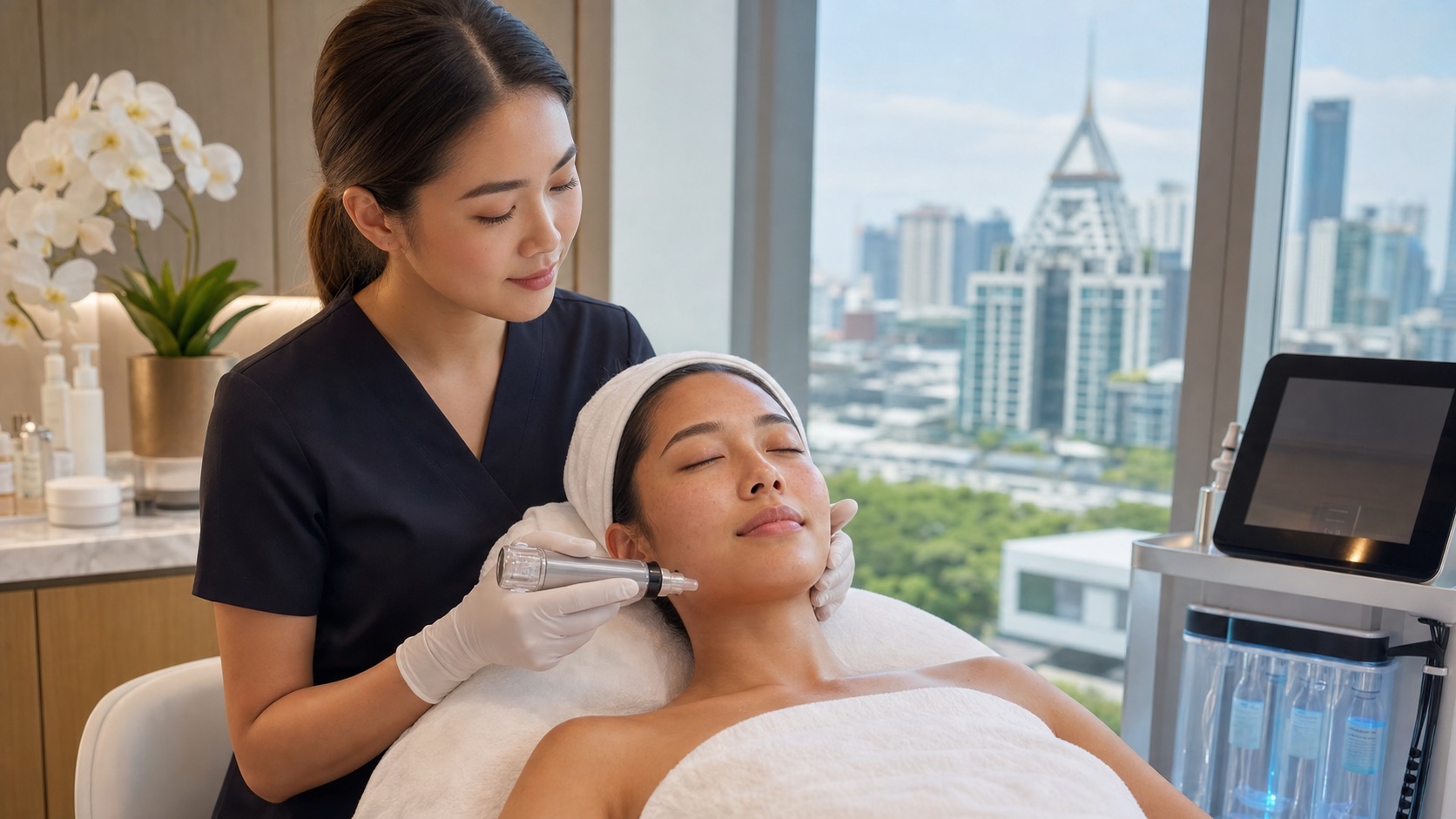
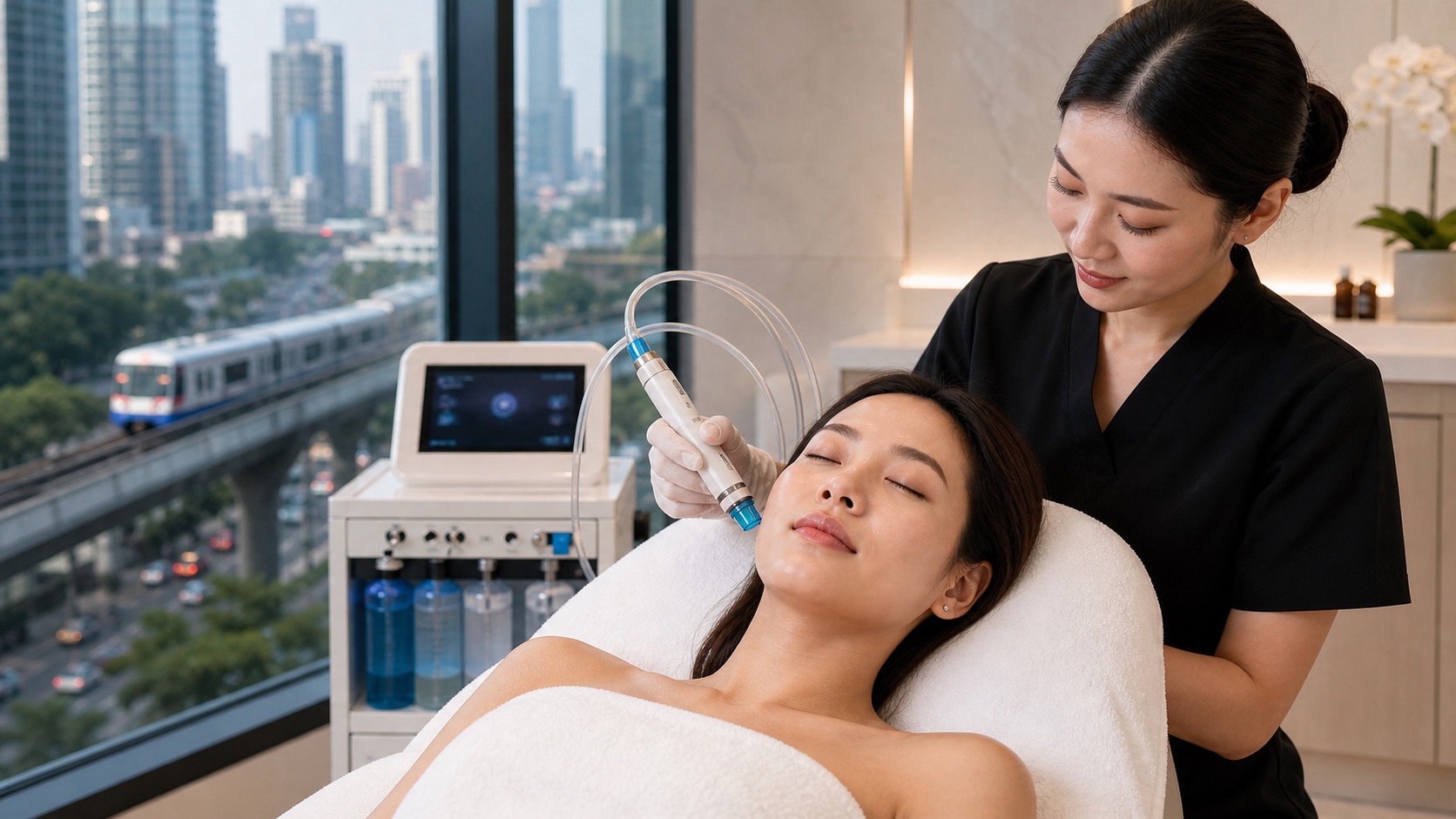
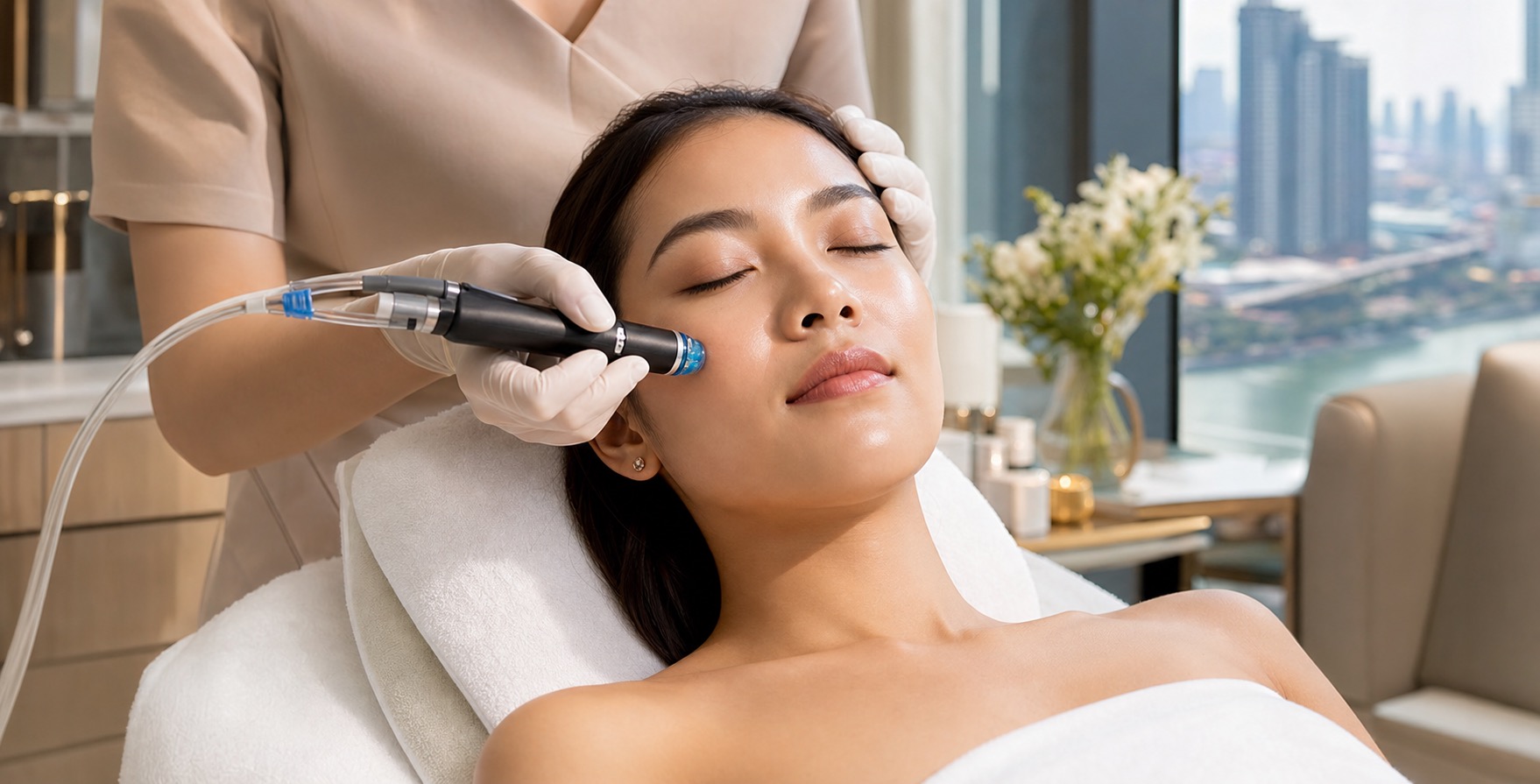
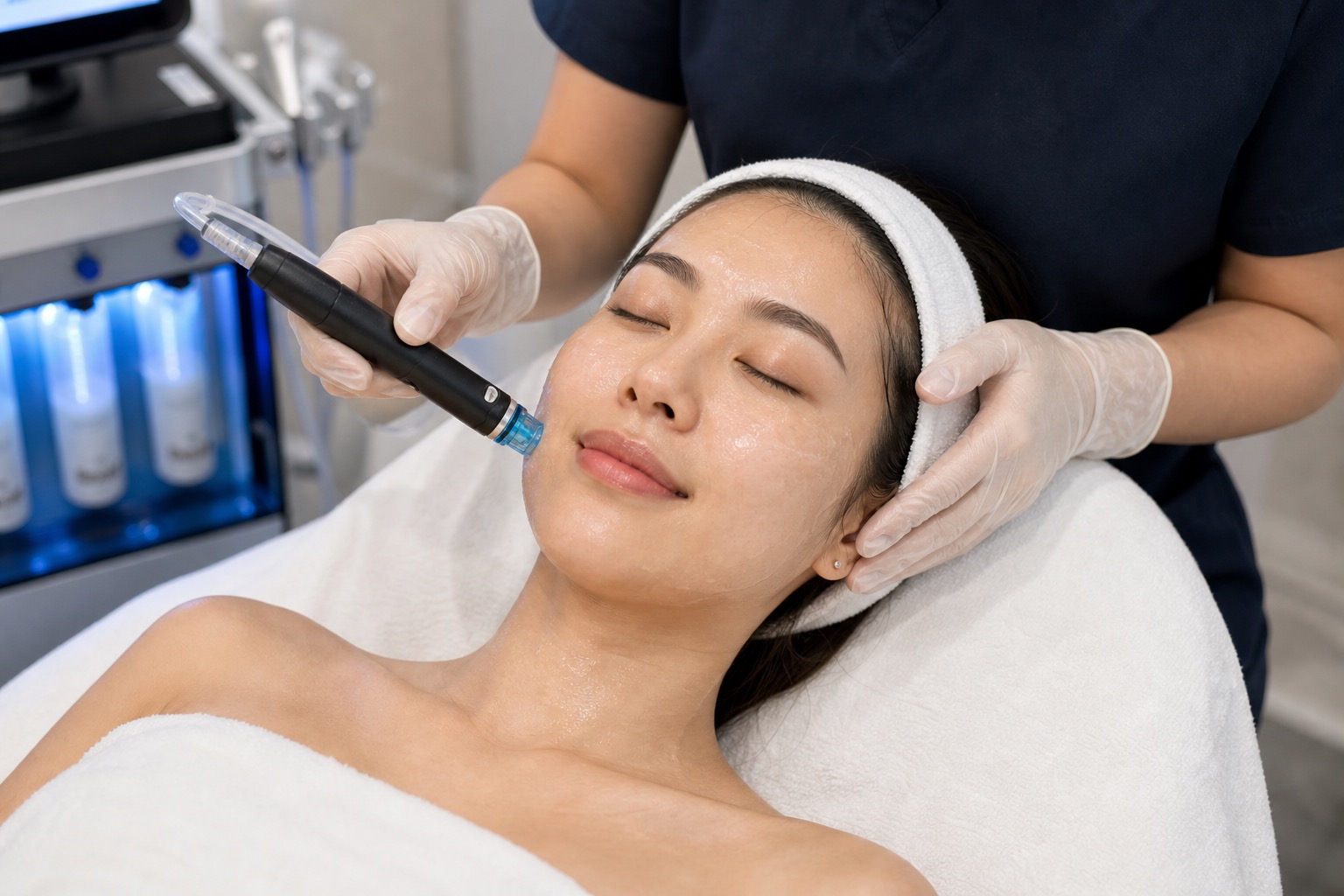
That is why pre-holiday skin preparation deserves a more practical conversation. The goal is not to chase a dramatic glow or to make medical promises that a facial cannot support. The goal is to help the skin feel cleaner, smoother, and more comfortable before several days of sun, humidity, sweat, and sunscreen layering. In that context, a Hydrafacial treatment can fit as a structured cosmetic reset. It combines cleansing, gentle exfoliation, controlled extraction, hydration infusion, and simple aftercare planning in one clinic visit. A better description is that it may help the skin go into the trip in a calmer and better-balanced state.
Why beach weather starts affecting the skin before the trip even begins
For many Bangkok-based travelers, the skin does not start reacting only after arrival at the beach. It often begins earlier, during the preparation phase. People may sleep less before travel, commute in heat while doing last-minute errands, test new sunscreens, wax or shave, and pack travel-size products that are not part of the regular routine. Even a domestic flight can leave the face feeling tight if the skin was already a little dry or over-exfoliated before departure.
This matters because skin that starts a trip slightly stressed often handles sun, salt, and wind less gracefully. A little pre-existing congestion can become more obvious after repeated SPF layers. Mild dryness can feel worse once the face moves between humid beach air and strong air-conditioning. Preparing the skin is therefore less about creating perfection and more about reducing avoidable friction before the holiday begins.
The most common pre-holiday mistakes
One common mistake is trying to do too much in the final forty-eight hours. People suddenly add several active products, exfoliate harder than usual, or book a strong treatment without considering how the skin normally behaves. Another mistake is assuming that because a beach trip feels healthy and outdoorsy, the skin does not need preparation. In reality, long days in sun and heat usually increase the need for barrier awareness and sensible timing.
A third mistake is ignoring buildup. Before a Thailand beach holiday, many people already begin using more sunscreen and makeup than usual because of meetings, airport time, or social plans. If the skin is already carrying congestion around the nose, chin, and forehead, extra layers of product can make that feel heavier during the trip. A treatment does not need to be aggressive to be useful. It needs to reduce unnecessary buildup without pushing the skin into irritation.

Where Hydrafacial fits before a Thailand beach holiday
Hydrafacial fits best as a conservative pre-trip reset for skin that feels slightly dull, uneven, congested, or overloaded by city life and product buildup. For someone leaving Bangkok for the beach, the treatment can make sense when the aim is to start the holiday with a cleaner surface, more comfortable hydration, and fewer areas of obvious congestion. It can be especially practical for people who want a refreshed appearance without planning around a long recovery period.
It is important to keep the role of the treatment realistic. Hydrafacial does not replace medical management of acne, rosacea, dermatitis, melasma, or sun-sensitive conditions. It also does not make the skin immune to UV, salt, or irritation. What it can do, when timed and tailored well, is prepare the skin more sensibly for a period when sunscreen, outdoor exposure, and travel stress will all increase.
Step 1: Cleanse and gentle exfoliation before SPF-heavy days
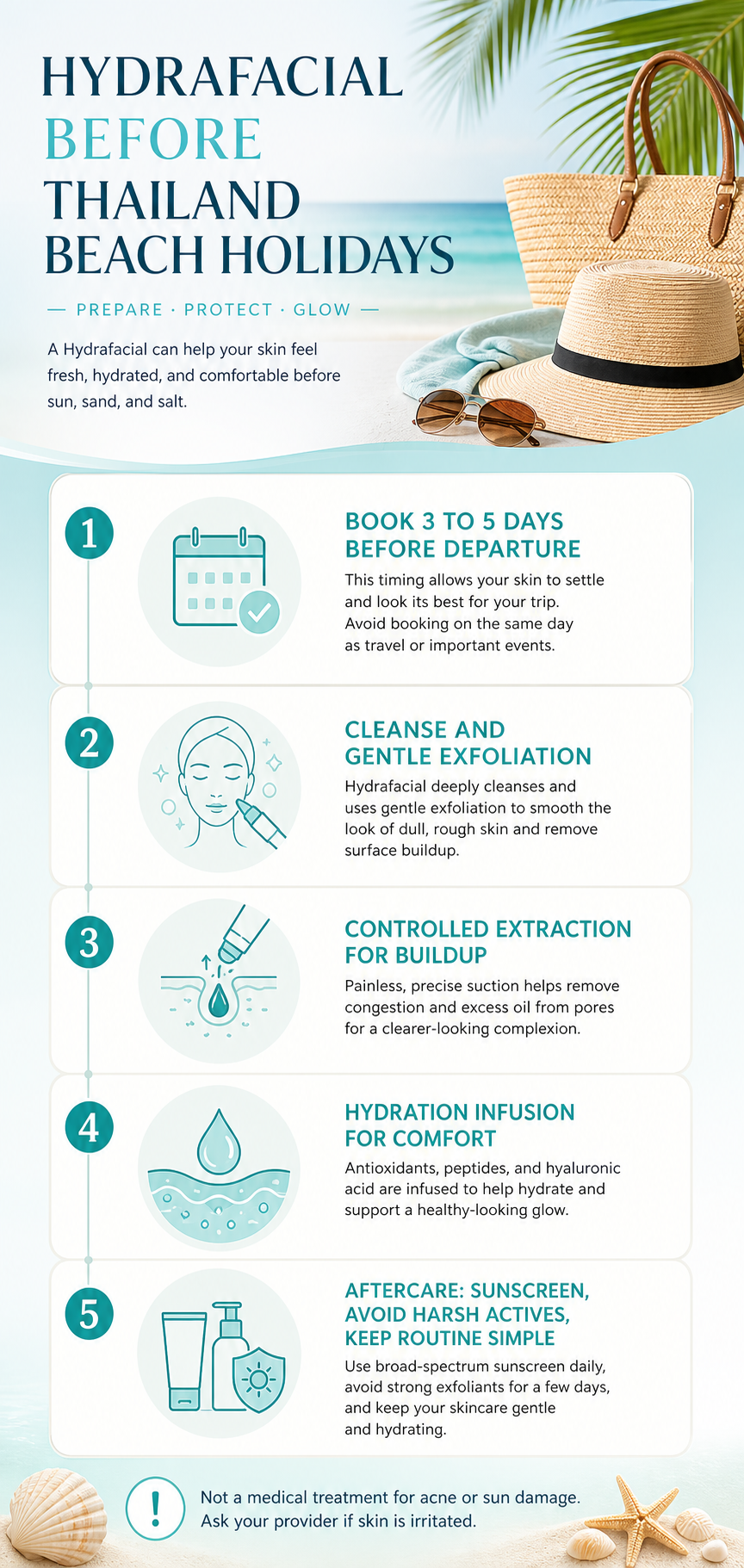
The first reason a Hydrafacial can be useful before beach travel is its cleansing and gentle exfoliation sequence. Thailand beach holidays usually mean more sunscreen than usual, often in water-resistant formulas and in several applications per day. If the skin already feels rough or coated, starting the trip that way can make it harder to keep the complexion comfortable. Gentle resurfacing helps loosen residual buildup and tired surface cells without relying on the harsh scrubbing that many people reach for at home.
The word gentle matters here. Right before a sun-heavy trip, the skin usually does not benefit from punishment. Over-exfoliation can make the face feel smooth for a day but more reactive once it meets UV, salt, and wind. A measured Hydrafacial session is useful because it can improve surface clarity while respecting the idea that the skin still needs to travel well afterward.
Step 2: Controlled extraction for congestion-prone zones
Some people go into a beach holiday already worried about congestion. The usual zones are familiar: nose, chin, and central forehead. Heat, sunscreen layering, and frequent touching can make those areas look heavier during the trip. Controlled extraction may help reduce that sense of buildup before departure, especially for clients who know that clogged-looking pores become more noticeable on holiday photos or under minimal makeup.
Again, restraint matters. Controlled extraction should mean appropriate extraction, not a determination to force every pore into submission. If the skin is irritated, overly dry, or recently exposed to strong actives, the provider may decide that less is more. The point is to reduce the amount of obvious congestion the skin carries into the trip, not to create extra redness immediately before travel.
Step 3: Hydration infusion for heat, salt, and cabin dryness
The hydration stage is often the reason the treatment feels especially relevant before a beach holiday. Even if the weather at the destination is humid, the skin can still end up uncomfortable. Flights, hotel air-conditioning, sun exposure, and repeated cleansing can all leave the face feeling tighter than expected. Hydration infusion helps balance the session so the skin does not leave the clinic feeling stripped after cleansing and extraction.
This does not mean promising dramatic repair or guaranteed holiday-perfect skin. A more defensible claim is that hydration support may help the skin feel calmer and more comfortable as it heads into a more demanding environment. That can matter for how sunscreen sits and how makeup wears at dinner.
When to book before Phuket, Samui, Krabi, Pattaya, or Hua Hin
Timing is one of the most important practical details. For most people, booking a few days before departure is more sensible than booking on the same day as the flight or the evening before an early airport run. That small gap gives the skin time to settle, lets any temporary redness calm down, and gives you space to keep the routine simple before leaving Bangkok. It also reduces the temptation to combine the treatment with too many other pre-travel beauty steps.
The right timing still depends on your skin history. Someone with reactive skin, recent peeling, or strong active use should lean toward a more cautious window and discuss it clearly with the provider. Someone with calm, resilient skin may tolerate a tighter schedule. The important point is that the treatment should serve the trip, not compete with it.
What to tell your provider before treatment
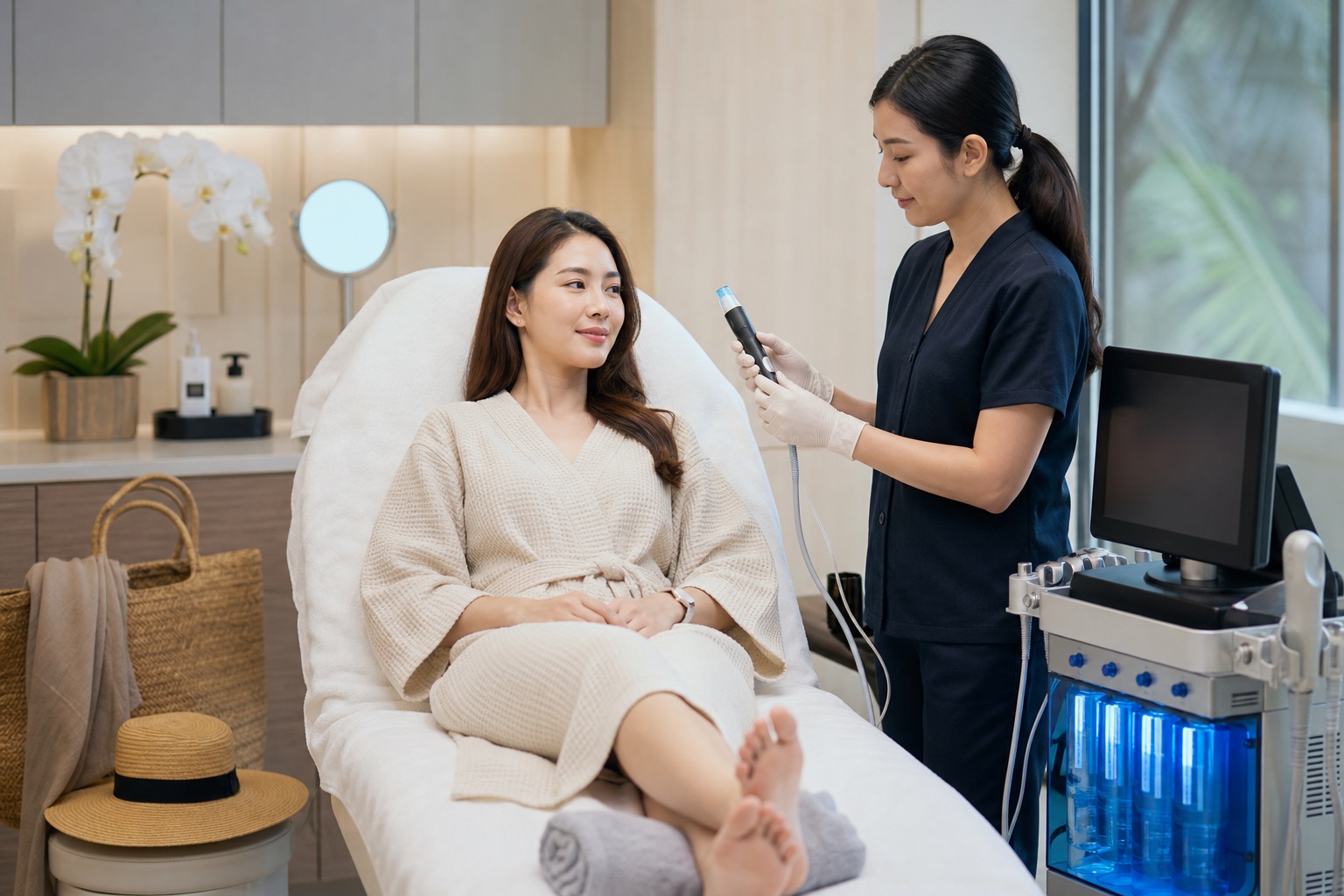
A short consultation is essential if the treatment is happening before a sun-heavy holiday. Tell the provider if you have been using retinoids, exfoliating acids, acne medication, prescription creams, or recent laser or peel treatments. Mention any recent waxing, shaving irritation, breakouts, sensitivity, or sun exposure. If you usually flush easily, react to new products, or have a history of dermatitis or rosacea, that also matters.
It also helps to describe the actual trip plan. A long weekend in Hua Hin with moderate beach time is different from several days of boating, swimming, and constant outdoor exposure in Phuket or Krabi. The more context the provider has, the easier it is to decide whether the session should stay very gentle, focus on hydration, or be postponed. If you still need help finding a suitable clinic, start with a Hydrafacial provider in Thailand that can explain timing and aftercare clearly.
Aftercare between the appointment and departure day
Once the treatment is done, the best aftercare is usually calm and predictable. Keep cleansing gentle, use simple hydration, and continue broad-spectrum sunscreen daily. If the provider advises a brief pause from strong acids, scrubs, or retinoids, follow that guidance. The skin usually looks best before travel when it is not being challenged from several directions at once.
Think about the final days before departure realistically. There may still be office air-conditioning, Bangkok traffic, dinners, packing stress, or a tendency to test new travel products. Resist the urge to add more intensity just because the holiday is close. The goal is to arrive at the airport with the skin feeling stable, not over-managed.
What Hydrafacial cannot do and when to wait instead
Hydrafacial is not a substitute for dermatology, and it should not be sold as one. If the skin is actively irritated, peeling heavily, freshly sunburned, rashy, or recovering from a recent aggressive procedure, it may be better to wait. The same applies if the main concern is significant inflammatory acne, infection, persistent pigmentation management, or another condition that needs medical assessment rather than a cosmetic reset.
Waiting is not a failure. It is often the smarter decision. Beach holidays already ask a lot from the skin, and starting from an irritated baseline can make the entire trip less comfortable. A conservative provider should be comfortable saying that the best pre-holiday treatment today is no treatment, or a very reduced one.

A sensible beach-prep routine for Bangkok-based travelers
The most useful pre-beach routine is usually simple. Cleanse gently, avoid over-exfoliating, keep hydration consistent, use sunscreen every day, and choose professional treatment only when it clearly fits the skin's condition and the travel calendar. Hydrafacial can be a very practical part of that plan because it addresses several common pre-holiday issues in one session: city buildup, mild congestion, surface roughness, and the need for comfort before more sun exposure.
For Bangkok travelers heading to Thailand's beaches, that is often enough. The skin does not need unrealistic promises before a trip. It needs sensible preparation, conservative timing, and a routine that will still make sense once the beach days start. Used that way, Hydrafacial can help the face go into Phuket, Samui, Krabi, Pattaya, or Hua Hin looking fresher and feeling more balanced, while staying within claims that are appropriate for a cosmetic facial.