
Why Hydrafacial still has commercial strength in Thailand
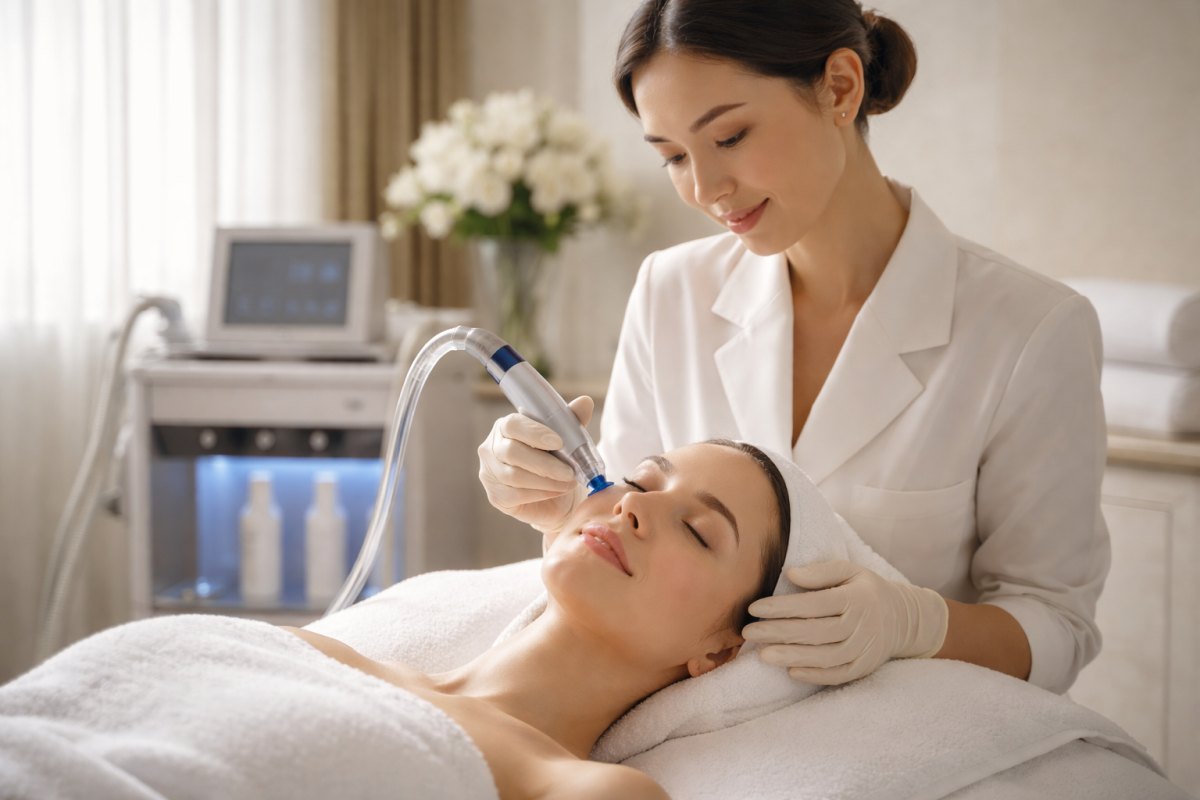
For clinic owners and aesthetic providers in Thailand, Hydrafacial remains one of the most commercially resilient treatment categories because it sits at the intersection of visible results, repeat demand, and premium skincare positioning. In a market like Bangkok, where consumers are highly aware of treatment trends and expect efficient, non-invasive care, a service that can be marketed as both a facial experience and a skin-health treatment is especially valuable. That combination helps explain why Hydrafacial clinic demand Thailand continues to stay strong even as new devices, injectables, and wellness concepts enter the market.
The treatment’s business value is not just that patients try it once. It is that many return. Hydrafacial fits a maintenance mindset, which is increasingly important as consumers move away from one-off beauty services and toward ongoing skin quality routines. For clinics, that means more stable appointment flow, stronger package potential, and a clearer path to retention. In a competitive Bangkok clinic environment, those factors matter as much as the treatment itself.
What is driving patient demand in Bangkok and across Thailand?
Demand is growing because patients want treatments that feel practical, modern, and low-friction. Urban skin concerns in Thailand often include oiliness, congestion, dullness, dehydration, and sensitivity from heat, humidity, pollution, and frequent sun exposure. Hydrafacial fits this profile well because it is widely positioned as a professional cleansing and hydration treatment that can be tailored to different skin needs without requiring long downtime. That matters for Bangkok professionals, frequent shoppers, travelers, and clients who want visible freshness without disrupting their schedule.
Another reason demand remains strong is that patients increasingly search for clinically proven skincare rather than purely luxury-based beauty services. The phrase itself has become commercially important. Consumers want treatments that sound grounded in skin science, provider supervision, and measurable skin-health goals. Hydrafacial fits that language well, especially when clinics explain it as part of a broader strategy for pore care, hydration support, texture refinement, and skin maintenance rather than a one-time glow service.
In Thailand, where aesthetic education is now more sophisticated than ever, patients often compare clinics not only on price but also on trust, device quality, provider skill, and treatment personalization. That creates an opening for Hydrafacial provider Thailand businesses that can communicate expertise clearly and consistently.
Why repeat visits matter more than first-time interest
From a provider perspective, the strongest reason Hydrafacial keeps winning is retention. Aesthetic clinics do not grow sustainably on first-time visits alone. They grow when patients return for ongoing care and feel that the experience is easy, comfortable, and worth repeating. Hydrafacial is naturally suited to this model because it can be presented as a skin-health routine, not only a corrective treatment.
This is especially relevant in Bangkok, where consumers often look for treatments that fit into lunch breaks, weekday appointments, and pre-event routines. When a patient sees the skin as better maintained over time, the clinic gains more than a single booking. It gains a repeat customer who is more likely to purchase treatment packages, add boosters, and combine Hydrafacial with other clinic services over time.
Retention also becomes easier when the treatment is framed around long-term skin quality. Recent industry messaging has leaned more toward regeneration, barrier support, and ongoing skin improvement. That language helps clinics move beyond the idea of a quick facial and toward a more valuable positioning: a structured treatment that supports the skin’s condition over time. For clinics in Thailand, that distinction can support both premium pricing and stronger loyalty.
How clinically proven skincare supports premium positioning
In a crowded market, the words a clinic uses matter. Patients in Thailand are increasingly drawn to treatments that can be described as clinically proven skincare because the phrase signals professionalism, evidence, and safer decision-making. Hydrafacial benefits from that perception. It is not positioned as a trend-only service; it is framed as a technology-driven skincare platform that many providers use as part of a broader aesthetic plan.
That matters for clinics trying to differentiate themselves from generic facial spas. A premium Hydrafacial Bangkok clinic can use the treatment to create a more medical-aesthetic identity: clean environment, licensed providers, structured consultation, individualized booster selection, and education about skin goals. This is especially effective in urban areas where consumers are willing to pay more for trusted, results-oriented care.
Market demand is also supported by the fact that consumers increasingly value consistency. If patients believe a treatment has a credible method, a recognizable device, and a provider-led protocol, they are more likely to book again. For business owners, that trust is a commercial asset. It reduces friction in the sales process and helps clinics build long-term relationships instead of chasing single transactions.
Why personalization and boosters improve clinic value
One reason Hydrafacial remains relevant in 2026 is its adaptability. Clinics can personalize the experience with different solutions and boosters depending on skin concern, age, season, or treatment goal. That flexibility helps providers create a more premium consultation flow and supports upselling in a way that feels medically sensible rather than aggressively promotional.
In Thailand’s climate, this matters because skin needs can shift quickly between humid months, intense outdoor exposure, travel-heavy periods, and office-based urban routines. Patients may come in wanting hydration in one season and congestion support in another. A clinic that can adapt the protocol is better positioned to maintain interest and long-term value. This also gives providers a natural way to introduce skin regeneration treatment language, especially when discussing hydration, barrier comfort, and skin quality maintenance.
For clinics, the business advantage is simple: customization improves perceived value. When patients feel the treatment was selected for them rather than pulled from a standard menu, satisfaction rises, repeat bookings become easier, and the treatment can sit more comfortably within a premium skincare journey.
What the global market signals mean for Thailand
Hydrafacial’s global footprint is another reason providers in Thailand continue to pay attention. A large installed base worldwide usually signals not only brand visibility but also provider confidence, operational familiarity, and ongoing consumer demand. For clinic decision-makers, that kind of market signal matters because it reduces the sense of risk associated with adding a treatment to the menu. The more widely adopted a platform is, the easier it can be to train staff, market the service, and explain its value to patients.
In Bangkok’s aesthetic market, global relevance also helps with consumer trust. Patients often recognize international brands and associate them with higher standards, better technology, and more consistent experiences. That is useful in a city where competition is intense and many clinics offer similar-looking facial and device-based services. A strong global reputation can help a clinic stand out, especially when paired with good consultation, clean execution, and visible patient care.
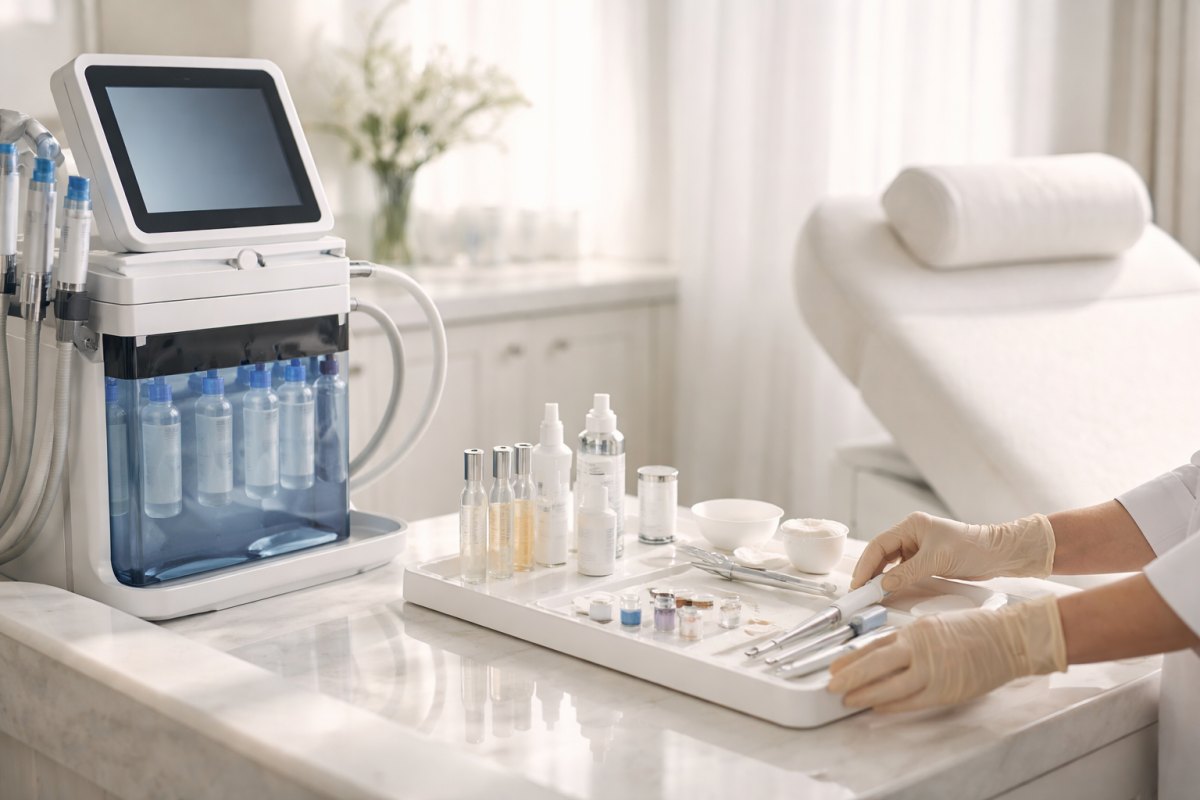
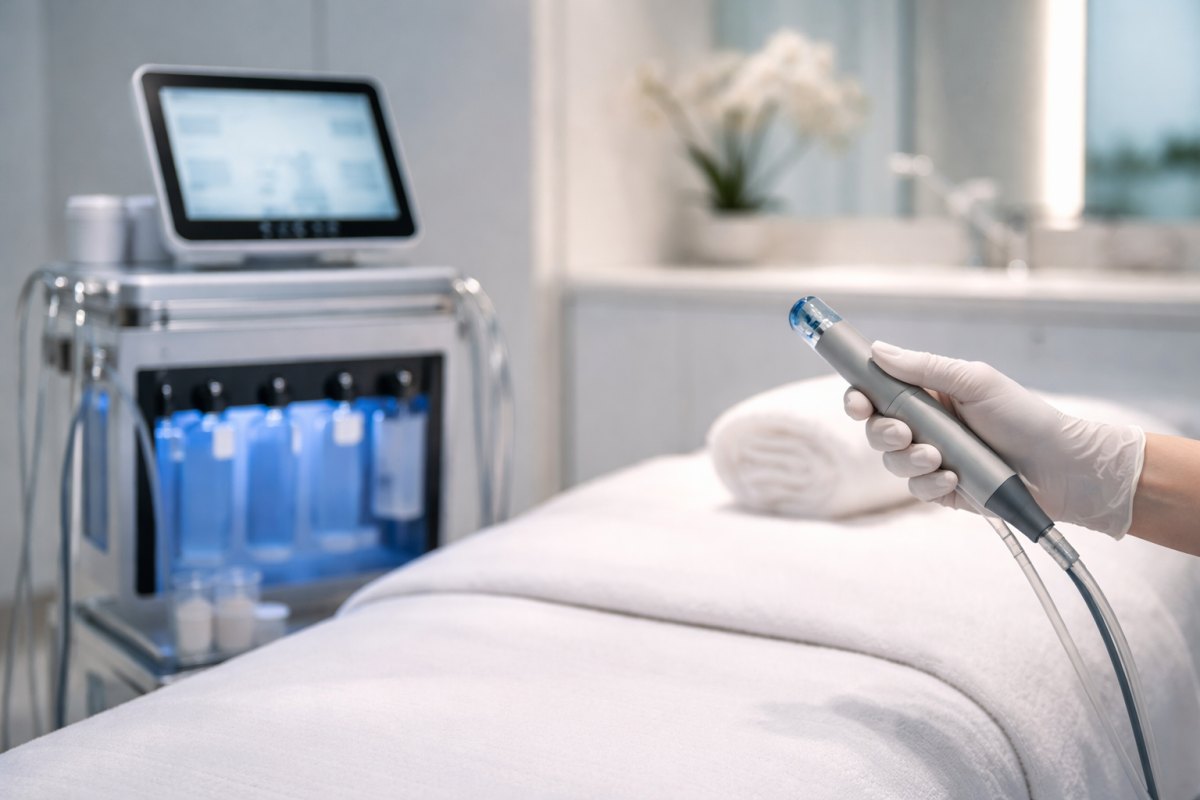
If you are evaluating the device from a provider standpoint, it may help to review the Hydrafacial technology and device details before adding it to your service mix. Understanding how the system supports workflow, training, and treatment consistency can make commercial planning much easier.

How clinics in Bangkok can position Hydrafacial for growth
The clinics most likely to win with Hydrafacial are not necessarily the ones that talk about it as a beauty add-on. They are the ones that position it as part of a broader skin-health framework. In practical terms, that means using consultation to identify goals, explaining the treatment in clear patient-friendly language, and linking it to maintenance, prevention, and visible comfort rather than hype.
For Bangkok clinics, the opportunity is to build a service line that feels both accessible and premium. Hydrafacial can be used as an entry treatment for new patients, a recurring maintenance option for existing patients, and a bridge to other procedures when skin quality improves and trust deepens. That makes it more than a single line on a price list. It becomes part of the clinic’s retention engine.
Providers should also think about service design. Shorter appointment times, clear package structures, and strong pre-visit education can all help make the treatment easier to sell and easier to repeat. In markets where convenience is a major driver, operational simplicity is often a hidden advantage.
What clinic owners should watch in 2026
The big trend for 2026 is that patients are moving toward long-term skin quality rather than short-lived cosmetic impact. This supports treatments that are easy to repeat, clinically credible, and compatible with other aesthetic care. Hydrafacial fits that direction well. It also aligns with the growing interest in regenerative skincare language, where patients want to feel that they are investing in healthier-looking skin over time, not just temporary polish.
Clinic owners in Thailand should pay attention to three things: how often patients return, which service combinations perform best, and how effectively the team communicates value. If Hydrafacial is only sold as a one-time facial, its business potential is limited. If it is integrated into a broader care pathway, it can become a strong source of recurring revenue and patient loyalty.
For clinics evaluating whether the treatment belongs in their lineup, the simplest next step is to assess local demand and provider fit. If your patients already seek non-invasive treatments, premium skin maintenance, and trusted technology, Hydrafacial is likely to remain a strong commercial option. If you want to explore availability and local clinic access, you can also Find a Hydrafacial provider in Thailand through the clinic network.
The bottom line
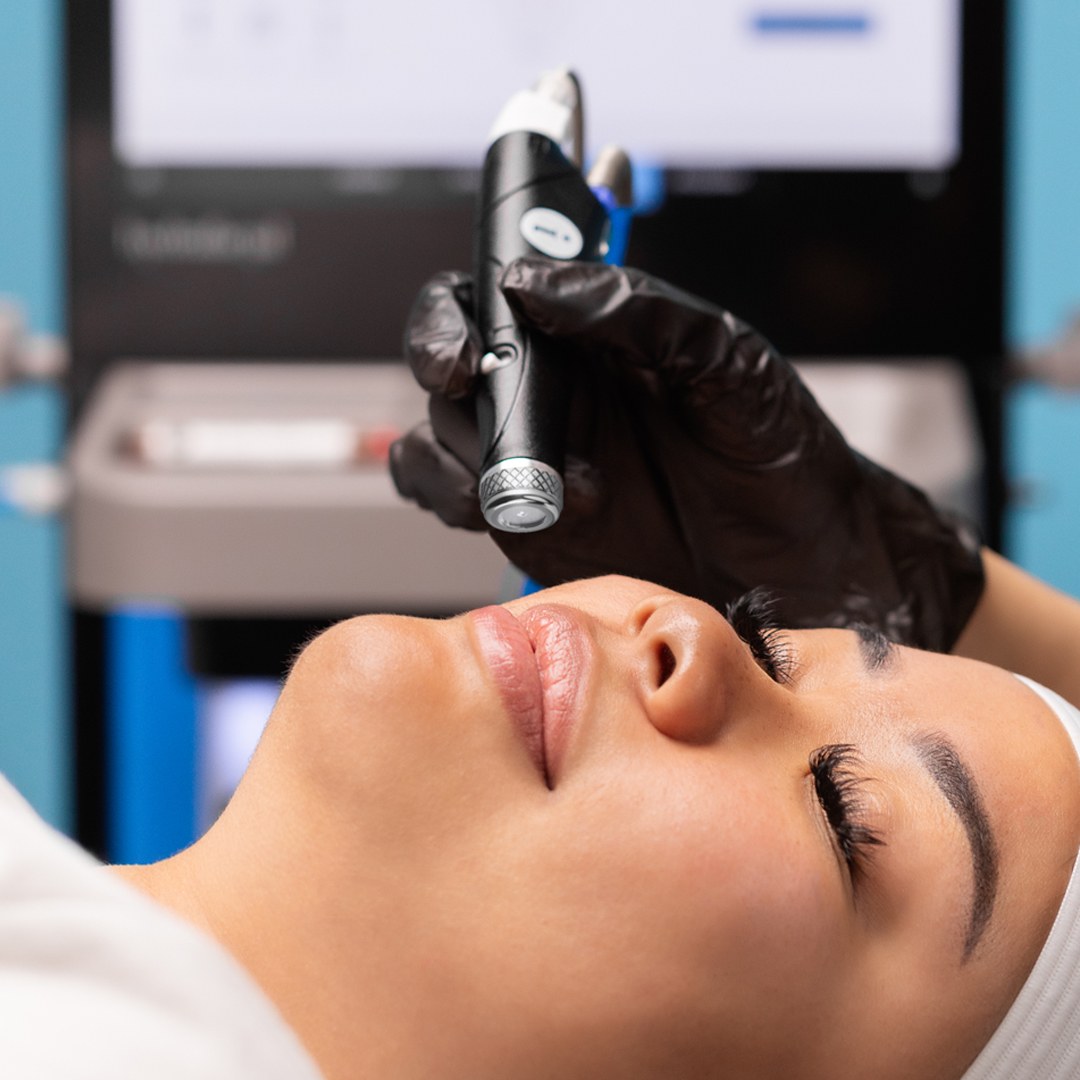
Hydrafacial continues to win in Thailand because it matches what patients want and what clinics need. Patients want visible freshness, comfort, and clinically credible skincare. Clinics want retention, differentiation, and a treatment that supports premium positioning without excessive downtime or complicated patient education. In Bangkok and beyond, that combination is hard to ignore.
For aesthetic providers, the commercial message is clear: Hydrafacial is not just another facial. It is a repeatable skin-health service with strong market appeal, especially when positioned well and delivered by a skilled team. In a competitive Thailand market, that makes it one of the more practical investments for clinics looking to grow with confidence.