
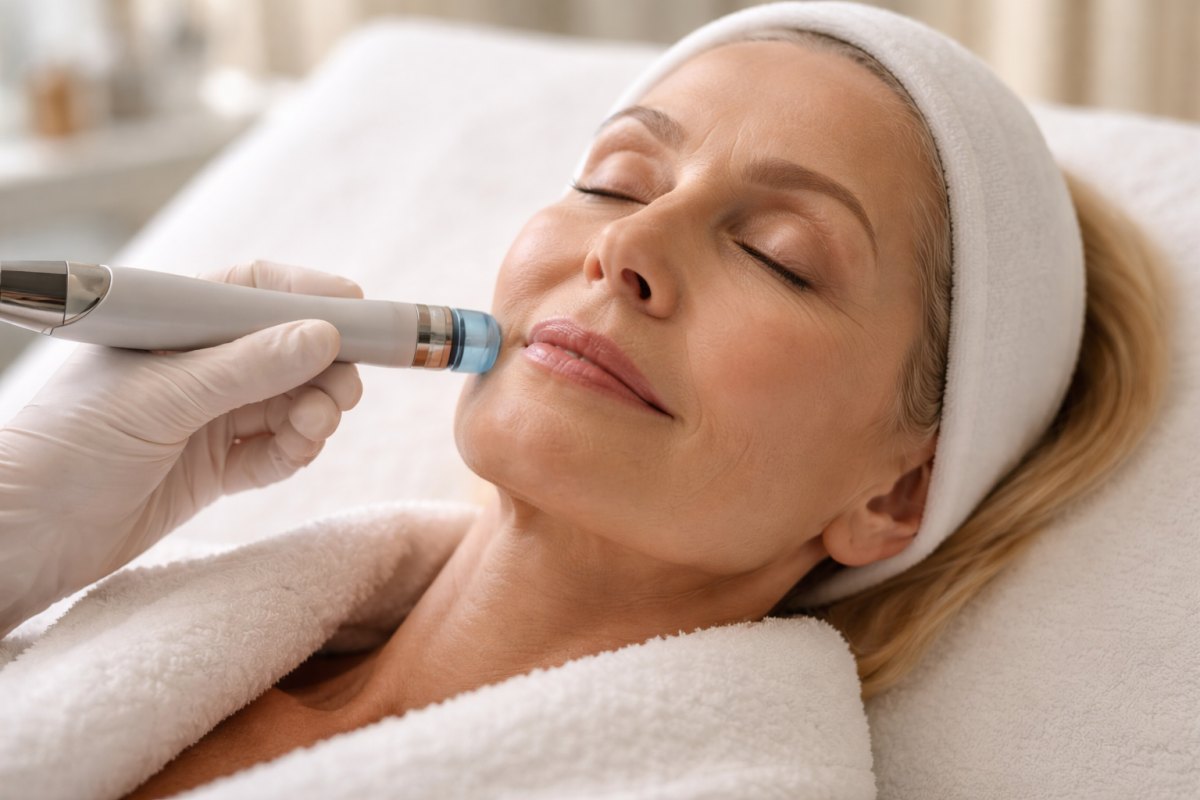
Can Hydrafacial help mature skin and fine lines?
For many Bangkok patients, the short answer is yes, but with the right expectations. Hydrafacial for fine lines Thailand is best understood as a maintenance-focused treatment that helps skin look fresher, smoother, and more hydrated. It is not a substitute for injectables, energy devices, or a full anti-aging plan, but it can be a useful clinical step when the goal is to improve surface texture, support hydration, and keep mature skin looking well cared for between more intensive treatments.
In Thailand’s heat, humidity, air conditioning, and urban pollution, mature skin often looks more tired than it feels. Dehydration lines can appear more obvious, makeup may settle unevenly, and the skin barrier may need extra support after laser, peels, or microneedling. This is where Hydrafacial can fit neatly into a dermatologist-led or premium-clinic maintenance routine.
Why mature skin often responds well to Hydrafacial
Mature skin usually has a slower turnover rate, lower natural oil production, and more visible texture changes than younger skin. Fine lines can become more noticeable when the skin is dry or when dead surface cells build up. Hydrafacial addresses several of these concerns in one session by combining cleansing, gentle exfoliation, extraction, and hydration.
What makes it appealing for mature skin is the balance between effectiveness and gentleness. The treatment is designed to remove debris from the skin surface while delivering hydrating ingredients. That can make skin feel softer and appear more polished without the redness or downtime some patients associate with stronger resurfacing procedures. For many Hydrafacial mature skin Bangkok patients, that “refreshed but not overtreated” result is the main reason the treatment stays on their regular schedule.
How Hydrafacial supports the look of fine lines
Hydrafacial does not erase wrinkles, and it should never be marketed that way. Instead, it can help fine lines look less noticeable by improving hydration and surface smoothness. When skin is well hydrated, light reflects more evenly and the face may look less creased or dull. This is especially relevant for expression lines around the eyes, mouth, and forehead, where dryness often makes texture stand out more.
Some clinics also pair Hydrafacial with targeted skin boosters or specific serums, depending on the patient’s skin goals and the device platform available. In a clinical setting, this makes the treatment more customizable. A patient who wants a maintenance session after a laser may need a gentler approach focused on comfort and barrier support, while another patient may want a fine-line-focused protocol that prioritizes hydration and skin quality. The best plan depends on the full skin assessment, not on a single device feature.
Where Hydrafacial fits after laser, peel, or other procedures
Hydrafacial post-treatment maintenance is a practical topic for premium clinics in Thailand because many mature-skin patients already use multiple treatments in a year. After a laser, peel, or other resurfacing procedure, the skin often needs time to calm, repair, and regain comfort. Once the treating clinician confirms the skin is ready, Hydrafacial may be used as a maintenance session to help keep the complexion clean, hydrated, and looking balanced.
The key word is “may.” It is not automatically appropriate immediately after every treatment. The timing depends on the strength of the original procedure, skin sensitivity, healing stage, and whether there is any lingering irritation. A careful clinic will not rush into a Hydrafacial session just because it is popular. Instead, it will decide whether the skin would benefit more from barrier support, simple hydration, or a longer recovery window before the next treatment.
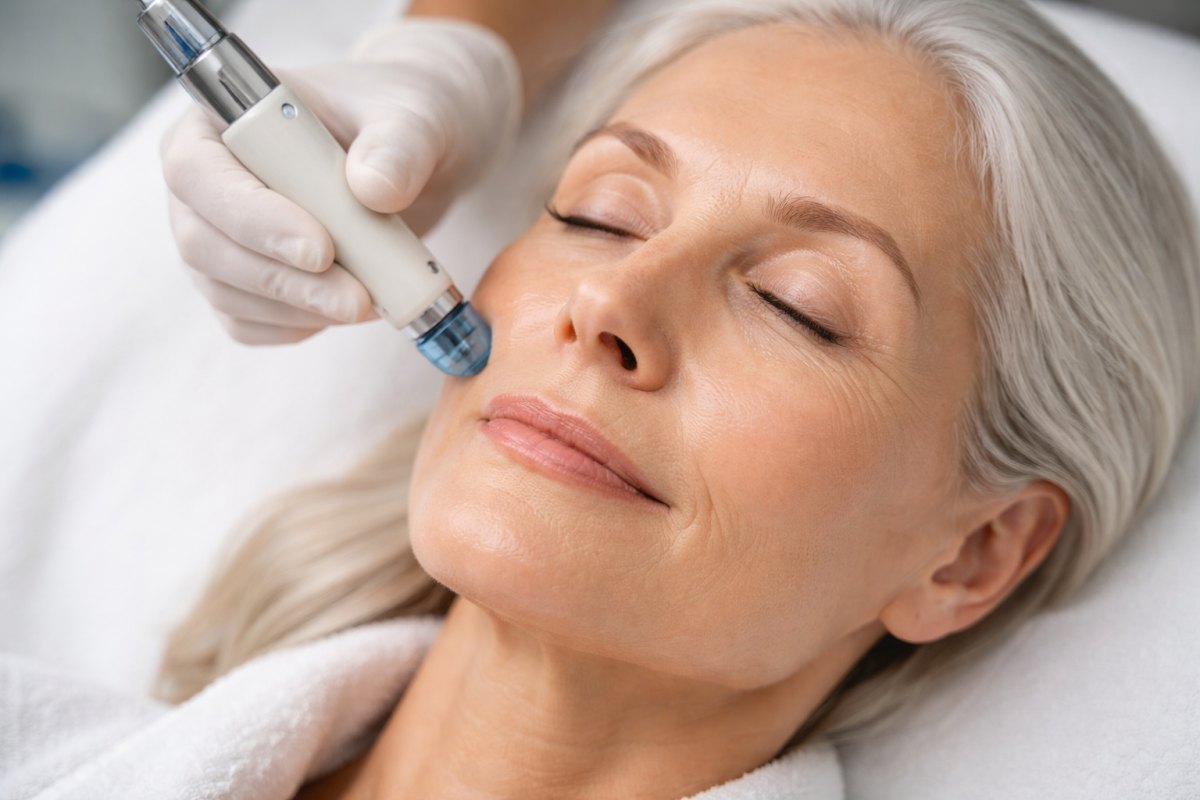
What clinics should explain to mature-skin patients
Good clinical education matters because mature skin patients often arrive with several goals at once: fewer visible lines, better hydration, smoother makeup application, and less tired-looking skin. A clinician should explain that Hydrafacial is a supportive treatment, not a replacement for prescription skincare, injectables, or device-based rejuvenation. It works best when it is part of a broader plan that includes daily sunscreen, a consistent home routine, and realistic expectations.
Clinics should also discuss skin history carefully. If a patient has rosacea-like sensitivity, active dermatitis, recent sunburn, or a very fragile barrier, the protocol may need to be adjusted. Premium Hydrafacial clinical skincare Bangkok practices often stand out because they are willing to slow down, personalize the serum choice, and set the right treatment interval rather than selling a one-size-fits-all package.
Why Thai climate and city life make maintenance more important
Thailand’s climate creates a specific skincare problem: skin can feel oily on the surface and dehydrated underneath at the same time. In Bangkok, long commutes, traffic pollution, indoor air conditioning, and high UV exposure can all make mature skin look less supple. Even when a patient is using quality homecare, the skin may still benefit from periodic professional cleansing and hydration.
That is why Hydrafacial for fine lines Thailand often appeals to busy professionals and premium-clinic patients. It is not just about a glow on the day of treatment. It is about making skin feel easier to manage over time. For mature skin, that can mean makeup sits better, dryness is less obvious, and the face looks more cared for between major procedures.
How often should Hydrafacial be done for mature skin?
There is no universal schedule. Some patients prefer monthly maintenance, while others space treatments farther apart depending on their skin condition, lifestyle, and other procedures. The right frequency should be decided by a clinician who understands the patient’s goals and their response to previous sessions.
As a general clinical principle, mature skin does not need aggressive treatment every time. Consistency is often more valuable than intensity. A well-timed Hydrafacial session can help maintain skin clarity, hydration, and smoothness without creating unnecessary stress on the skin barrier. For patients who are already doing laser, injectables, or prescription skincare, this kind of support treatment can be the missing middle step that keeps the routine sustainable.
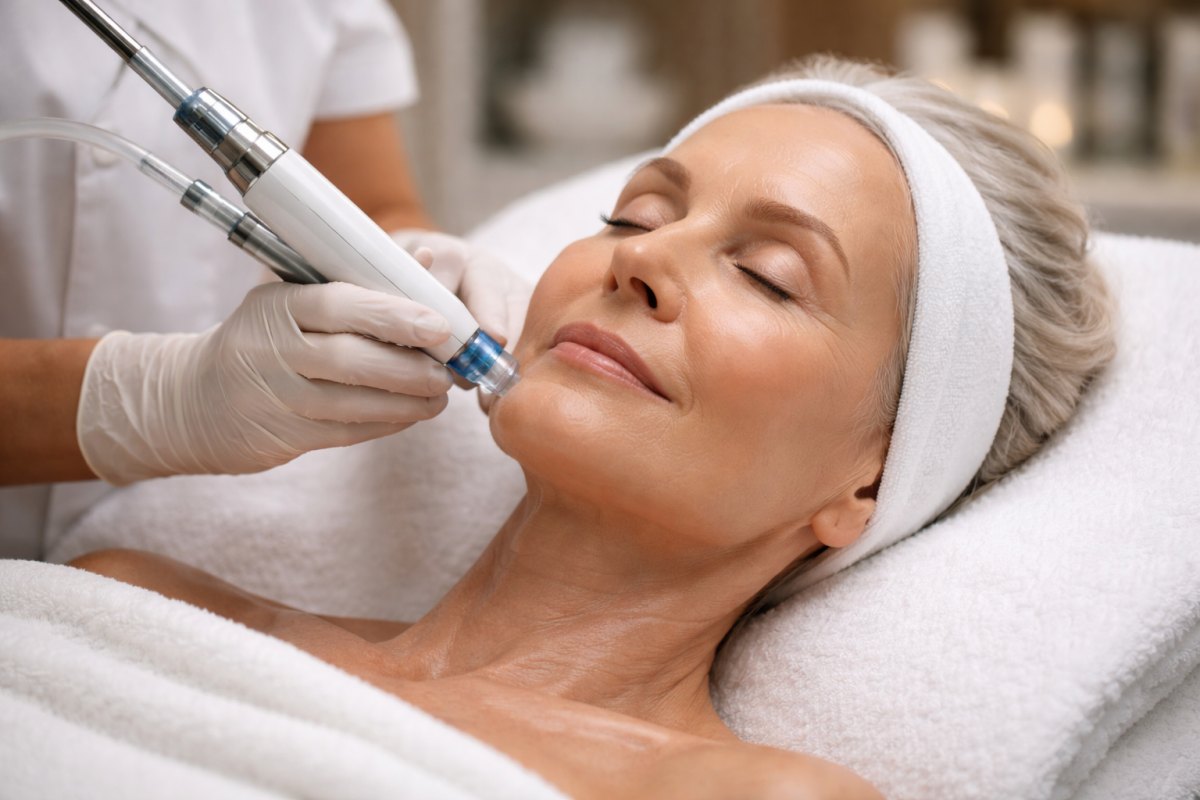
How new booster technology changes the conversation
The recent evolution of Hydrafacial systems and boosters has shifted the treatment from a simple cleansing facial into something closer to a customizable maintenance platform. That matters for mature skin because the needs of this audience are rarely basic. Some patients want hydration and softness, others want help with visible fine lines, and others want post-treatment recovery support. A more advanced skin booster strategy helps clinics match the treatment more closely to those goals.
This does not mean every patient needs the newest formula. It means the device ecosystem has become more flexible, which is useful in premium settings. When a clinic understands both the technology and the patient’s skin history, Hydrafacial can become part of a thoughtful long-term plan rather than an occasional luxury add-on.
When Hydrafacial is a good choice, and when it is not
Hydrafacial is often a good choice for mature patients who want minimal downtime, improved hydration, and a cleaner-looking skin surface. It is especially appealing for people who want maintenance care after stronger procedures, or for those who simply want their skin to look smoother and more rested without taking time off work. It may also suit patients who are new to clinical skincare and want a gentle entry point.
It may not be the best choice if a patient expects dramatic wrinkle reduction from a single visit, if the skin is currently inflamed or compromised, or if the treatment goal is deep structural rejuvenation rather than surface maintenance. In those cases, a dermatologist may recommend a different approach first. The best clinics are transparent about that distinction.
Closing thoughts: a maintenance treatment with a clinical role
For Bangkok patients exploring Hydrafacial for fine lines Thailand, the most useful way to think about the treatment is as a maintenance tool. It can support hydration, improve surface smoothness, and help mature skin look more refreshed, especially when used between more intensive treatments or as part of an ongoing clinical plan.
If you are comparing options, start by asking how the clinic adapts the protocol for mature skin, how it handles post-treatment timing, and whether it uses a personalized approach to boosters and recovery care. The right Hydrafacial session should feel precise, comfortable, and relevant to your skin history, not generic. For many patients, that is exactly what makes it worth adding to a premium skincare routine.