Why Hydrafacial is getting more attention in city skincare
Hydrafacial has become one of the most talked-about facial treatments for people who want something that feels efficient, clean, and easy to fit into a busy schedule. It is especially appealing in places like Thailand and Bangkok, where heat, humidity, traffic, and daily pollution can leave skin feeling oily, congested, and dull by the end of the day.
Rather than being another trend that only looks good on social media, Hydrafacial is popular because it combines several skin-care steps in one session. Many people like that it can feel more structured than a basic spa facial, yet still be approachable for regular maintenance. For urban skin, that practicality matters.
If your skin often looks shiny by midday, feels rough around the nose, or seems to collect buildup faster than you would like, Hydrafacial may be worth understanding more closely. It is not about chasing perfection. It is about giving skin a cleaner starting point.
What Hydrafacial actually does
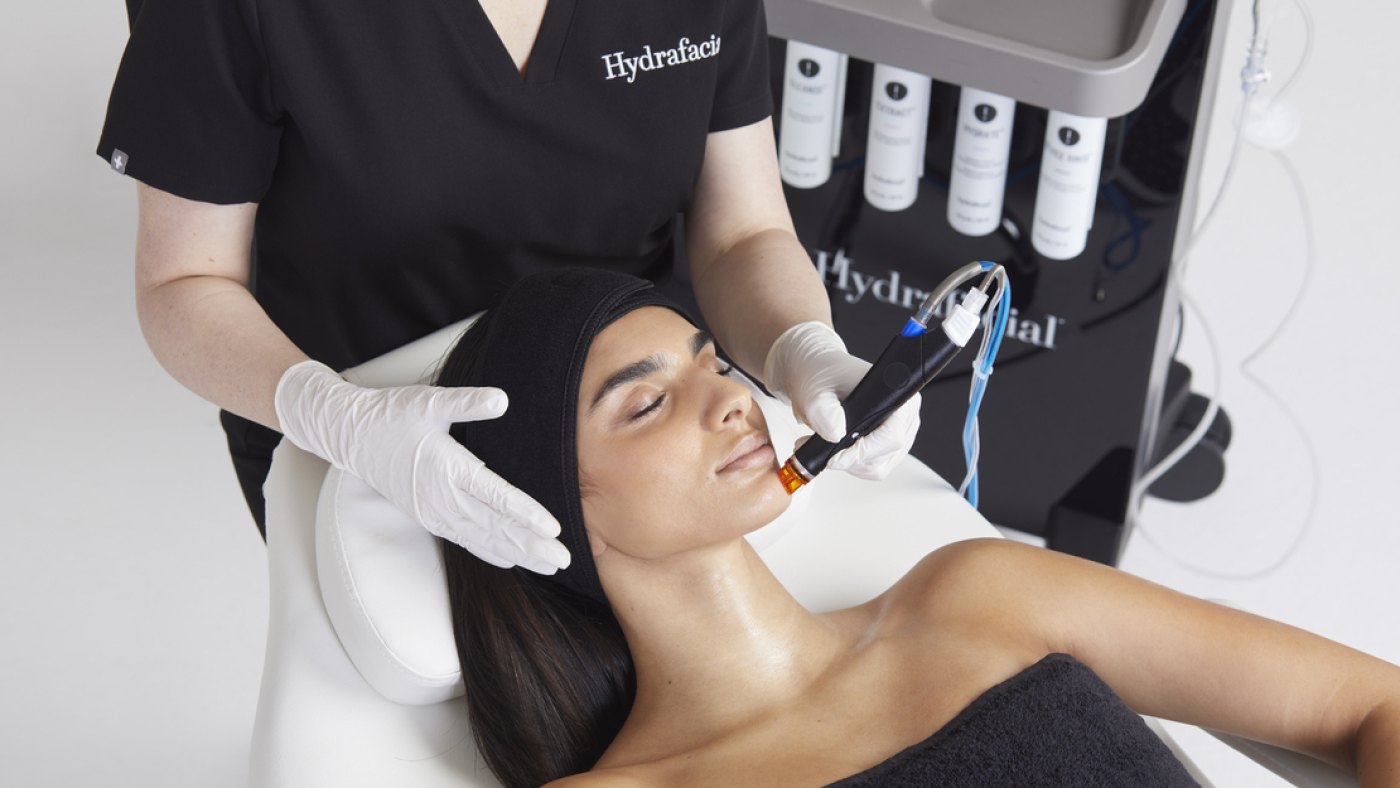
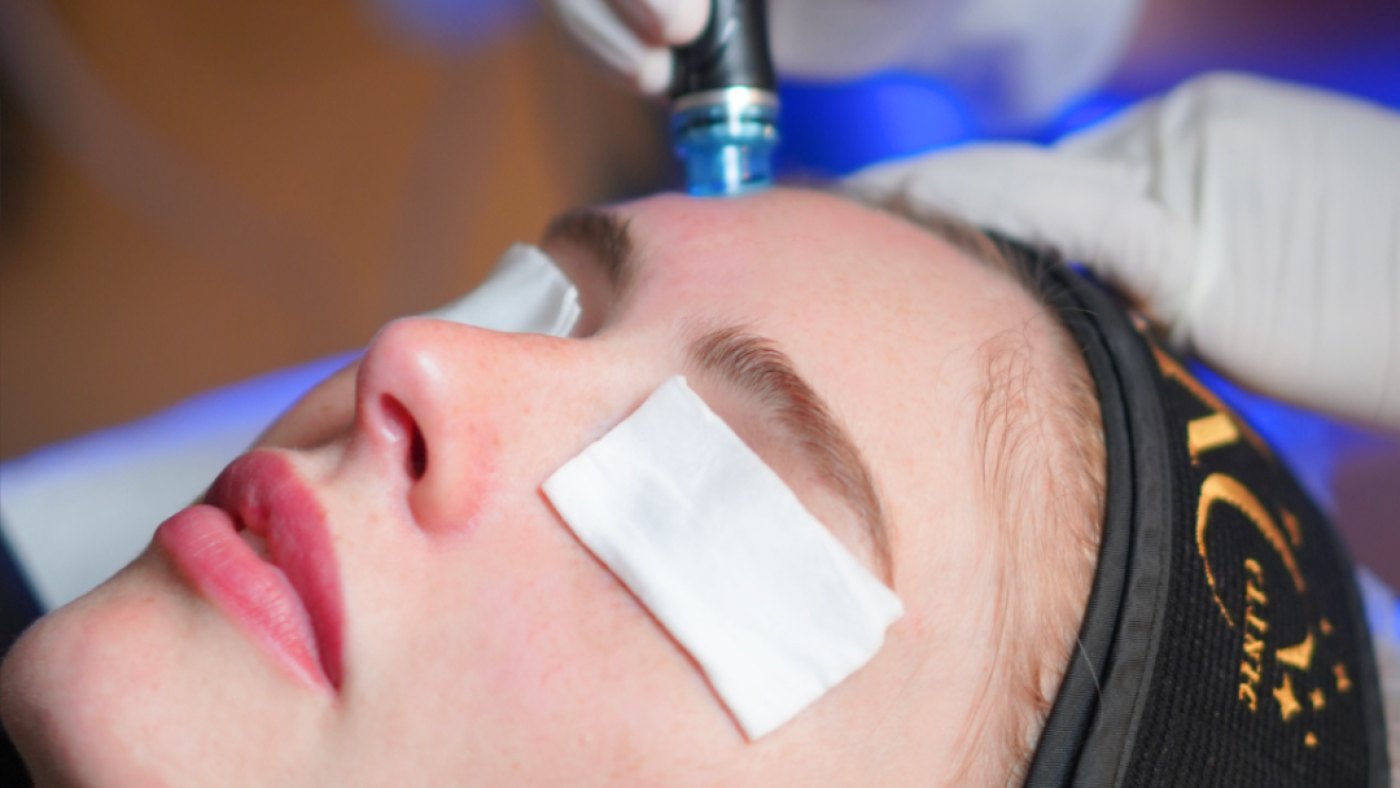
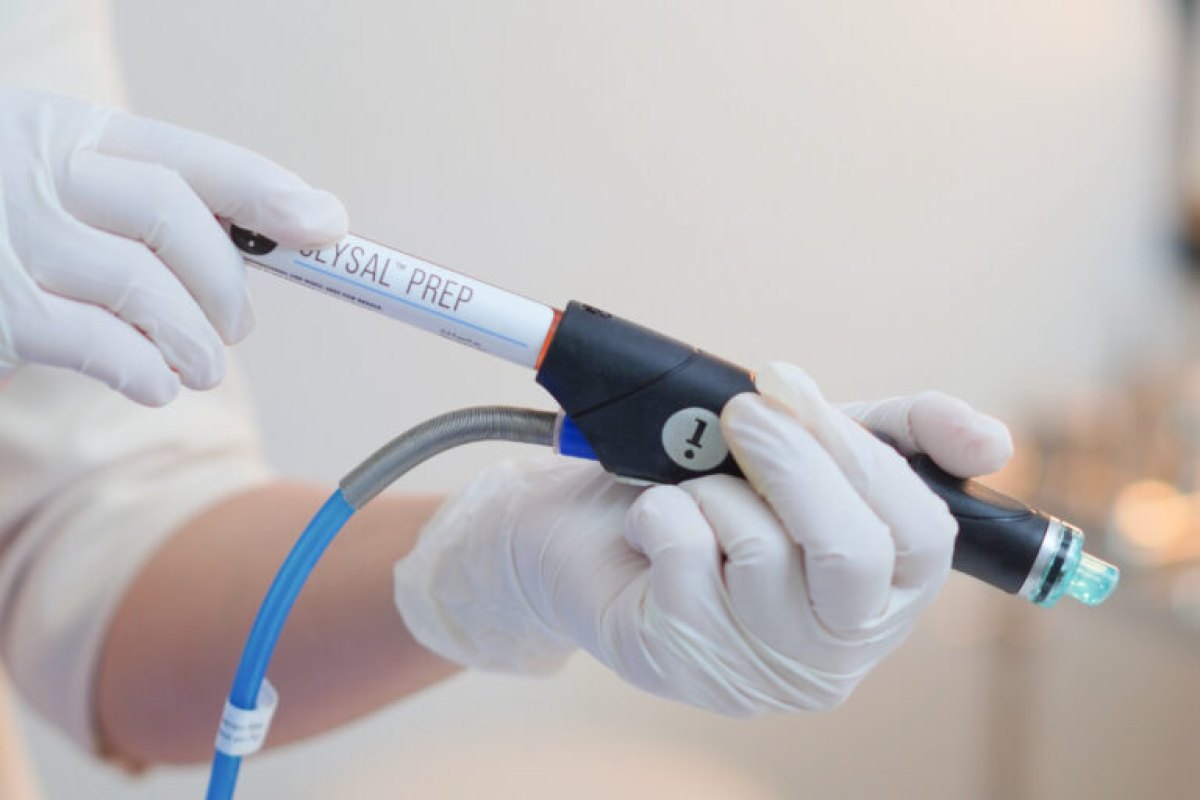
At a simple level, Hydrafacial is a multi-step facial treatment that typically cleanses, exfoliates, extracts, and hydrates the skin using a device-based approach. Many clinics describe it as a controlled, structured treatment that helps remove surface debris and support a fresher-looking complexion.
The appeal is in the combination. Instead of relying on manual squeezing or a one-size-fits-all facial, the treatment usually uses gentle suction and fluid-based serums to work through the skin in a way that many people find comfortable. For those who do not want an intense or overly aggressive session, that can be a major advantage.
Different clinics may offer different versions, with some emphasizing deep cleansing, some focusing on hydration, and others adding boosters that target concerns such as dullness, congestion, or uneven texture. That is why it helps to ask what is included before booking.
Who tends to like Hydrafacial most
Hydrafacial often appeals to people with oily or combination skin, visible pores, surface congestion, or a dull complexion caused by urban living. In Bangkok, for example, long commutes, outdoor heat, and indoor air conditioning can create a frustrating mix: skin gets oily, but also feels dehydrated. Hydrafacial is attractive because it addresses both sides of that problem in one appointment.
It is also popular with people who want low-fuss maintenance. If you are not looking for a long recovery period and prefer a treatment that fits between work, social plans, or weekend errands, the format is convenient. That makes it easy to understand why it has become part of many people’s regular skincare routine in Thailand.
That said, the best results come from matching the treatment to the skin in front of you. Someone with very sensitive skin, active irritation, or a more complicated skin history may need a more careful consultation first. A good clinic should take that seriously.
What a typical session feels like
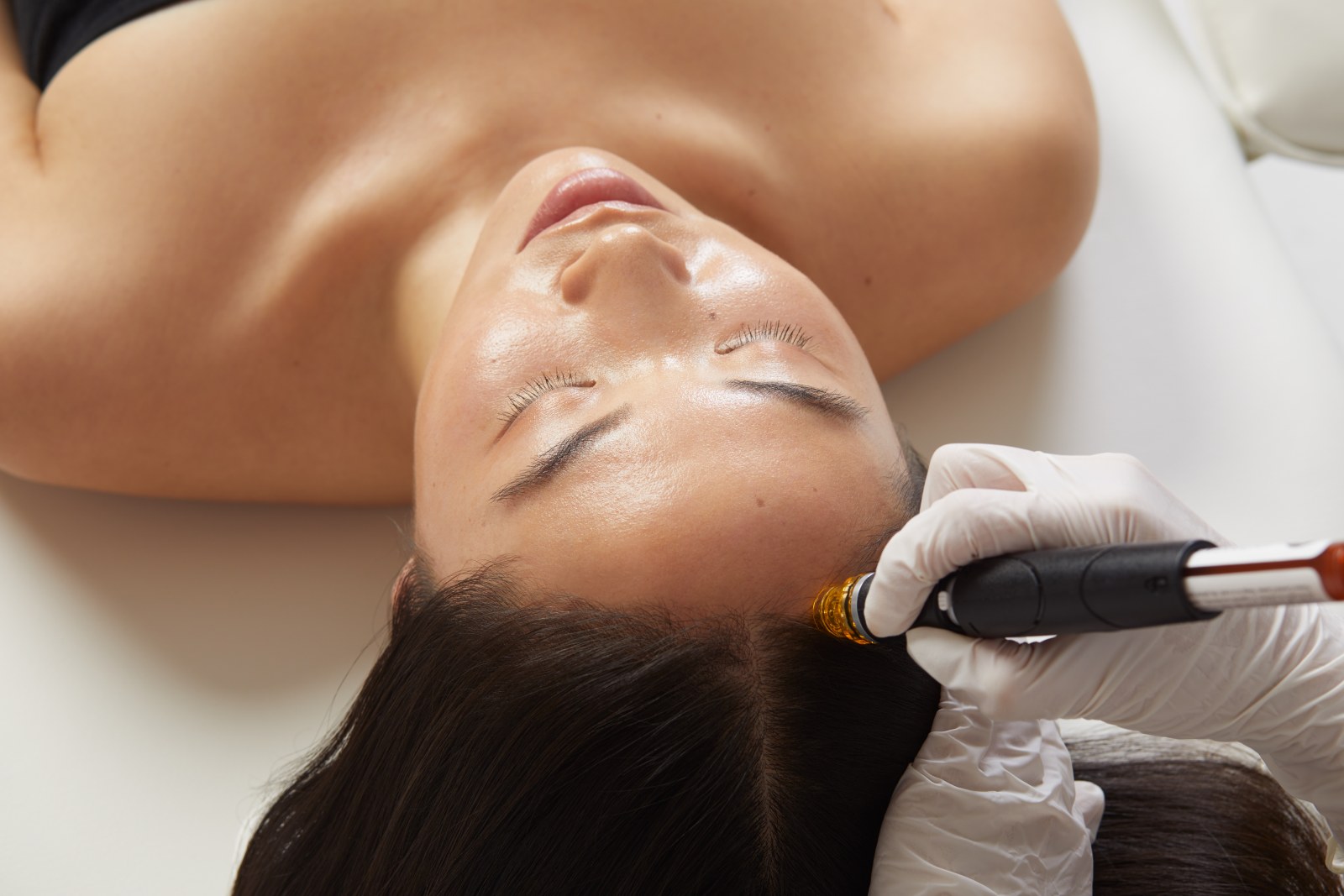
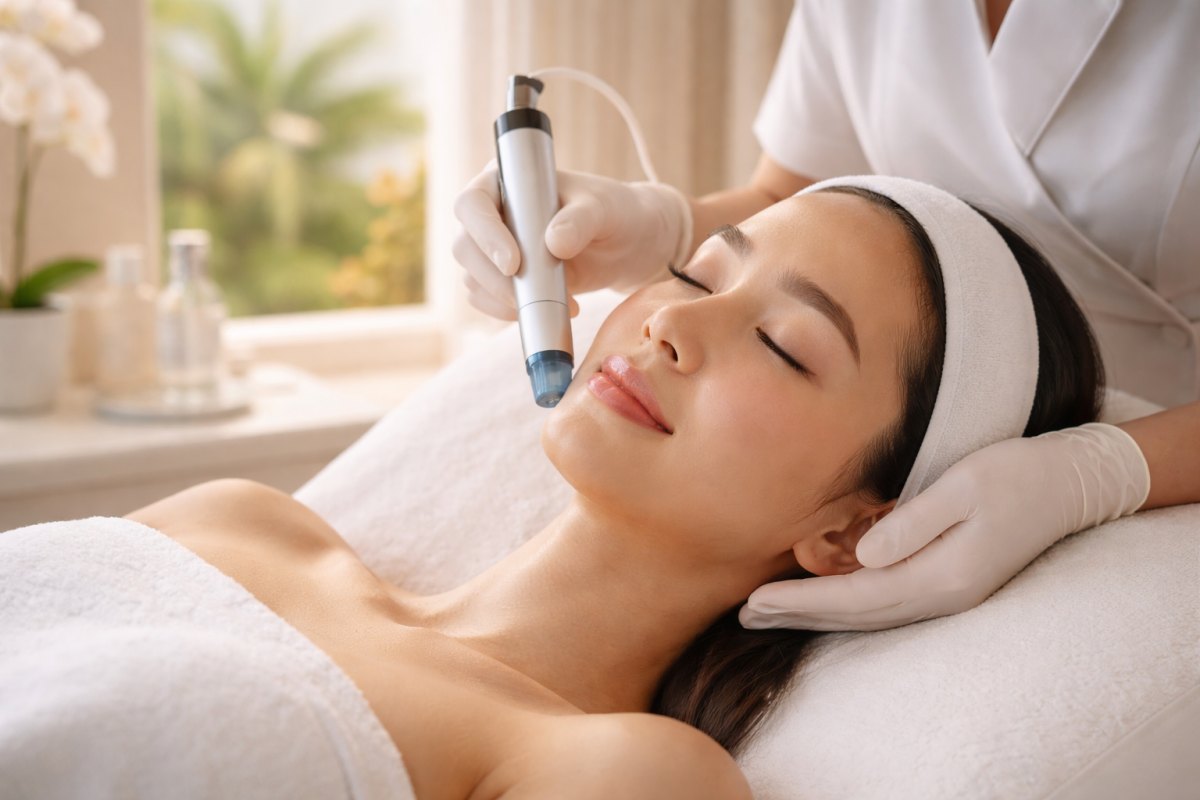
Most people describe a Hydrafacial session as comfortable and fairly straightforward. You usually start with a skin assessment, then move through cleansing and exfoliation, followed by extraction and serum application. The exact steps can vary by clinic, but the overall idea is to clean the skin and infuse it with hydration in a controlled way.
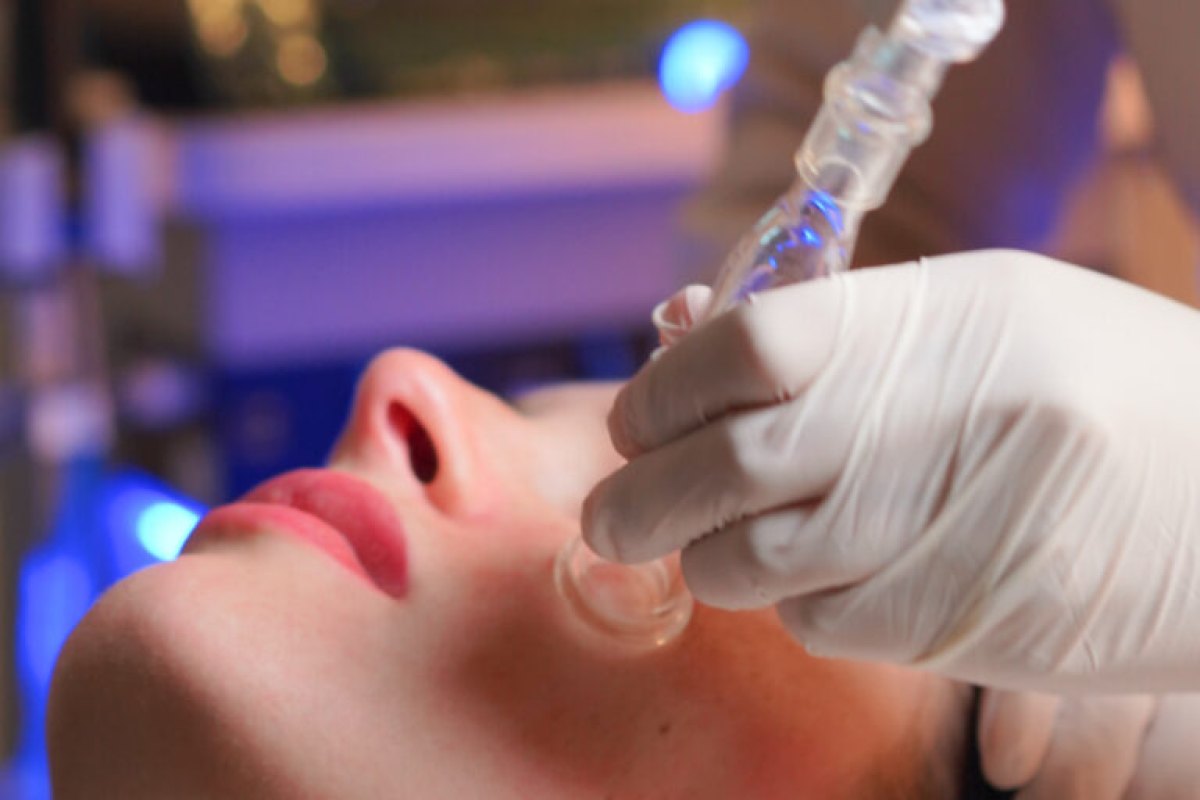
The sensation is often described as a light vacuum-like movement rather than a harsh extraction. Some areas may feel a little more noticeable, especially if there is congestion around the nose or chin, but the treatment is generally known for being manageable for people who dislike more aggressive facials.
Afterward, many people notice their skin looks smoother and feels cleaner right away. The best way to think about it is not as a dramatic transformation, but as a reset that makes the skin feel more organized and easier to care for.
Why it fits the Thailand climate and Bangkok lifestyle
Thailand’s climate can be demanding on skin, especially in a busy city. Heat and humidity can increase shine, while dust, sweat, and sunscreen buildup may leave pores looking more obvious. In Bangkok, the daily rhythm of air-conditioned offices, outdoor travel, and late evenings can make skin feel unbalanced by the end of the week.
Hydrafacial fits that reality because it offers a practical middle ground. It is not as minimal as a quick wash, and not as intensive as a more involved procedure. For people who want visible freshness without needing a lot of downtime, it makes sense in the context of modern urban skincare.
It is also easy to understand why people in Thailand often look for treatments that can be repeated sensibly. When climate and lifestyle constantly expose skin to stress, a single treatment is rarely the whole answer. Hydrafacial is best seen as part of a broader routine that includes daily cleansing, moisturising, sunscreen, and realistic expectations.
How to choose a clinic and treatment plan
Not all Hydrafacial experiences are the same. The quality of the consultation matters, especially if you have sensitive skin, acne-prone skin, or concerns like redness and post-inflammatory marks. A good provider should ask about your routine, your skin history, and the products you already use.
In Thailand and Bangkok, it is wise to choose a clinic that explains what machine or protocol they use, what boosters are available, and how often they recommend treatment. Transparency is a good sign. So is a clinic that does not oversell the treatment as a cure-all.
If you are new to the treatment, start with a conservative plan. One session can be a helpful introduction, and then you can decide whether regular appointments make sense for your skin and budget. The most practical choice is usually the one you can maintain comfortably over time.
What to expect after treatment
After Hydrafacial, many people like that their skin feels cleaner and looks more refreshed without needing a long recovery period. Some may notice mild temporary redness or sensitivity, especially if their skin is reactive or if the treatment was focused on congestion. That is one reason gentle aftercare matters.
In the first day or two, it is sensible to keep your routine simple. Use a mild cleanser, a basic moisturiser, and sunscreen during the day. If your clinic gives you specific instructions, follow those first. It is also wise to avoid introducing new active products immediately after the session unless a professional has advised it.
Think of the treatment as a reset, not a replacement for good habits. The clearer your daily routine, the longer you may enjoy the benefits of the session.
Is Hydrafacial worth it for everyday skin maintenance?
For many people, the answer depends on their goals. If you want a treatment that feels efficient, comfortable, and suitable for city skin, Hydrafacial can be a strong option. It is particularly appealing if you live in a place where heat, humidity, pollution, and frequent sunscreen use make cleansing feel like an ongoing challenge.
If your main concern is oiliness, visible pores, rough texture, or skin that looks tired after a week in Bangkok traffic, Hydrafacial can be a practical addition to your routine. It may not solve every concern on its own, but it can help skin feel cleaner and more hydrated in a way that supports the rest of your skincare.
The most useful mindset is to treat it as maintenance rather than a miracle. That keeps expectations realistic and makes it easier to evaluate whether the treatment is truly working for your skin.
Closing thoughts
Hydrafacial has earned its place in modern skincare because it is simple to understand, easy to schedule, and relevant to the way many people live in Thailand. For busy urban routines in Bangkok and beyond, the combination of cleansing, exfoliation, extraction, and hydration can feel like a smart response to everyday skin stress.
If you are considering it for the first time, focus on your skin type, your comfort level, and the credibility of the clinic. When chosen well and used as part of a balanced routine, Hydrafacial can be a practical way to support fresher-looking skin without making your schedule more complicated.