
Is Hydrafacial suitable for sensitive skin?
For many adults in Thailand, especially in Bangkok, the question is not whether a treatment can make skin look brighter for a day. It is whether that treatment is gentle enough for skin that flushes easily, stings with new products, or becomes irritated after heat, pollution, or long hours in air-conditioned spaces. In that context, Hydrafacial for sensitive skin Thailand is often discussed as a clinical, adjustable facial rather than a one-size-fits-all glow treatment.
When performed thoughtfully, Hydrafacial may be considered for people who want cleansing, light exfoliation, and hydration with less abrasion than some traditional facials. The key word is thoughtfully. A good clinic will assess your skin barrier, current sensitivity, any active dermatitis, recent procedures, and your history of reactions before deciding whether to proceed and how to modify the session.
Why sensitive skin is common in Thailand’s climate
Thailand’s heat and humidity can increase oiliness and sweat, while urban life in Bangkok adds pollution, dust, and frequent indoor-outdoor temperature changes. Sensitive skin does not always mean dry skin. Some people have redness-prone, combination, or acne-prone skin that still reacts strongly to harsh cleansing, strong acids, or over-exfoliation. Others feel tight and stingy because the skin barrier has been stressed by repeated actives, sunscreen layers, or weather shifts.
This is why climate and sensitive skin Thailand is more than a keyword phrase. It reflects a real pattern clinics see. Skin that is already reactive may not tolerate aggressive scrubs, long massage, or highly active treatments. A gentle facial treatment has to balance purification with barrier comfort, especially for patients living and working in Bangkok.
How a clinic typically evaluates sensitive skin before Hydrafacial
Before starting, a trained provider usually looks at the full picture, not just the surface. They may ask about redness, stinging, eczema, rosacea-like flushing, recent sun exposure, exfoliant use, retinoids, allergies, and whether your skin is currently broken, inflamed, or healing. This is where Hydrafacial Bangkok searches should lead readers to a clinic that treats the consultation as part of the service, not an optional extra.
In a clinical setting, the provider may decide to use a more conservative approach: fewer passes, gentler suction, shorter contact time, and serum choices that emphasize hydration and comfort rather than aggressive resurfacing. The goal is to avoid triggering a flare while still giving the skin a cleaner, fresher appearance.
What makes Hydrafacial feel gentler than some other facials
Hydrafacial is often described as a hydrating facial for sensitive skin because the procedure combines cleansing, exfoliation, extraction, and serum infusion in a controlled way. Instead of manual squeezing or rough abrasion, clinics typically use a device-based process with adjustable suction and a fluid-based delivery system. For some patients, that controlled method feels less irritating than repeated rubbing or strong physical scrubs.
That said, gentle does not mean universal. Sensitive skin can react to suction, specific acids, or even overly enthusiastic treatment. A qualified professional will know how to tailor the experience and will stop if the skin shows signs of distress, excessive redness, or discomfort.
Common ingredients and how clinics may adapt them
Many people ask whether Hydrafacial is safe for reactive skin because they worry about acids. In practice, clinics usually think in terms of formulation strength, not just ingredient names. Mild exfoliating solutions may be chosen to loosen debris and surface buildup, but sensitive skin protocols often use a lighter touch than oilier or more congested-skin protocols. Hydration-focused serums are often preferred when the main concern is barrier stress rather than heavy clogging.
For sensitive skin in Thailand, a provider may avoid layering too many actives in one visit. If you are already using retinoids, exfoliating acids, or prescription acne products, the clinic may advise pausing them before treatment. This helps reduce the chance of over-exfoliation and makes the experience more predictable.
Who may be a good candidate
Hydrafacial may suit adults who want a cleaner, calmer-looking complexion without a harsh facial experience. It can be a reasonable option for people with dullness, mild congestion, oiliness, dehydration, or skin that looks tired from city living. It may also appeal to those who want a treatment that can be modified around sensitivity rather than replaced with something more aggressive.
In practical terms, good candidates often include people who can tolerate light exfoliation and suction, have no active skin infection, and are not in the middle of a major flare. Some Bangkok patients choose Hydrafacial as part of a maintenance routine between busier weeks, travel, or high-pollution periods, when the skin needs a reset but not a harsh intervention.
Who should be cautious or postpone treatment
Not every sensitive-skin patient should proceed immediately. If you have active eczema, a significant rosacea flare, a sunburn, open wounds, a recent peel or laser, or a history of strong reactions to facial products, a clinic may recommend postponing or choosing a different approach. The same is true if your skin is extremely inflamed, actively infected, or otherwise unstable.
This is where a doctor-led or specialist-led consultation matters. A safe clinic will not oversell the treatment. Instead, it will explain whether Hydrafacial is appropriate now, whether a modified protocol is needed, or whether another gentle facial treatment would be more suitable for the current condition of your skin.
What to expect during the appointment
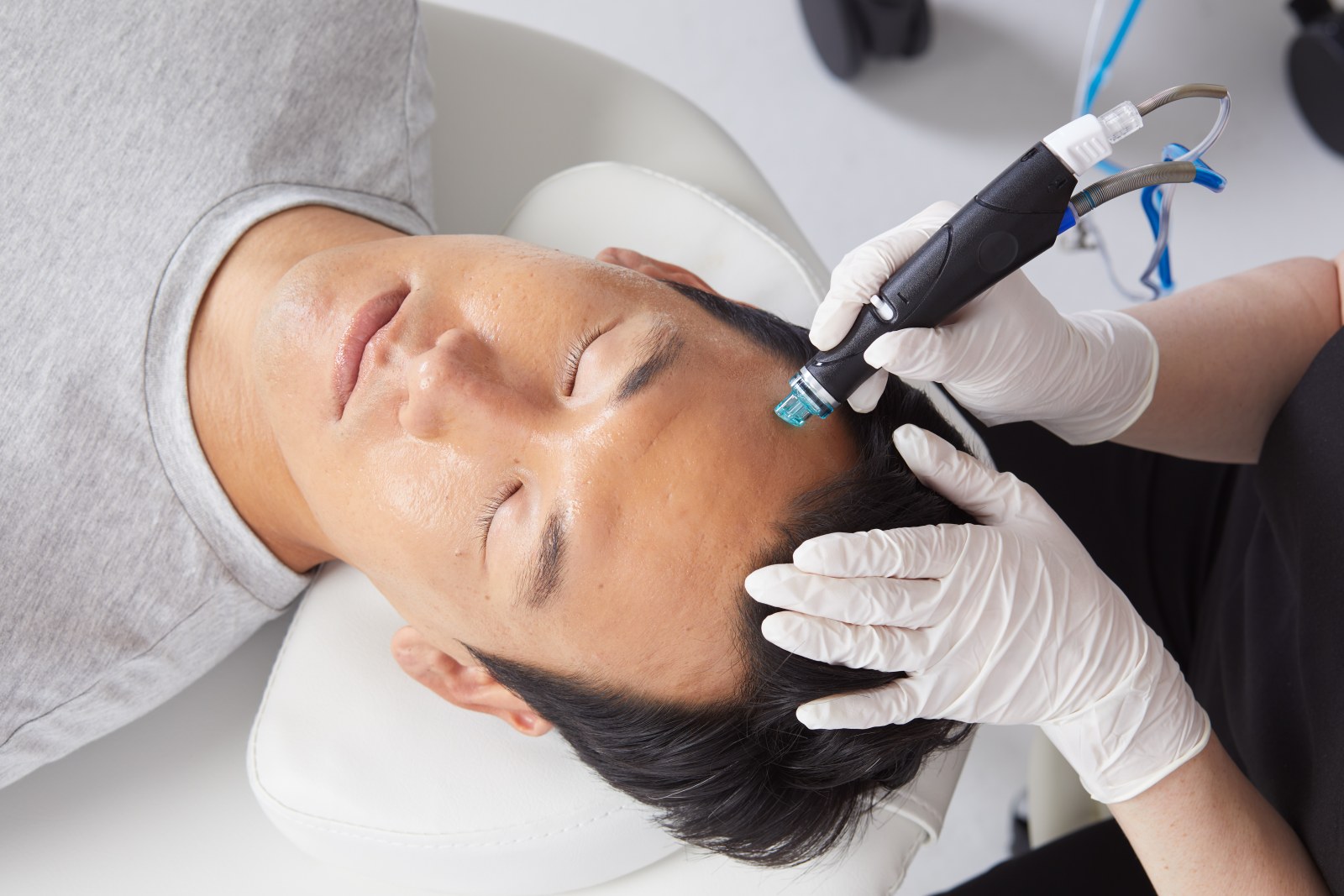
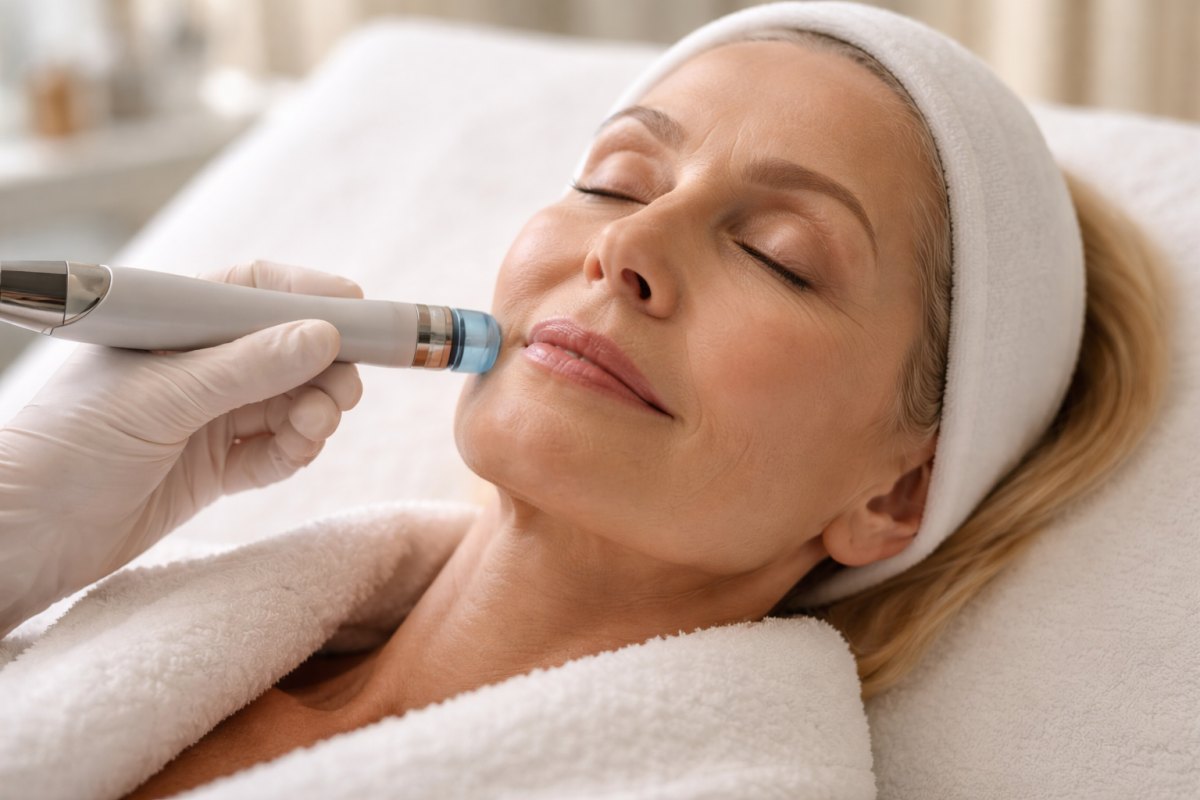
A clinical Hydrafacial session for sensitive skin usually starts with a discussion of recent skincare, medications, and any current irritation. The provider may cleanse the skin, then choose the lightest appropriate settings to minimize friction. You should expect the technician or doctor to check in about comfort during the procedure, especially around the more sensitive areas of the face.
Afterwards, many people notice skin that looks more refreshed and feels hydrated, though the exact response varies. Sensitive skin may appear slightly pink for a short time, which is one reason aftercare matters. The clinic should explain what is normal and what is not, so you know when to simply moisturize and when to contact the provider.
How to reduce irritation risk before and after
Preparation matters as much as the device. In the days before treatment, it is often wise to avoid unnecessary exfoliation, harsh scrubs, and new active products unless your clinician tells you otherwise. If you know your skin tends to react, bring a list of products you use, including cleansers, acids, retinoids, and sunscreen. That information helps the provider decide how gentle the session should be.
After treatment, keep the routine simple. Use a mild cleanser, a bland moisturizer, and daily sunscreen. In Bangkok’s sun and heat, sun protection is especially important because freshly treated skin can be more reactive. Avoid sauna sessions, intense workouts, and strong actives for the period your clinic recommends. The purpose is to let the skin settle, not to chase more exfoliation immediately.
Where Hydrafacial fits in a broader skin plan
Hydrafacial should be viewed as one part of a skin-care strategy, not the whole strategy. For people with chronic sensitivity, barrier repair, trigger management, and consistent sun protection are often more important than any single facial. If your skin is repeatedly red or uncomfortable, a clinician may also discuss whether your routine, environment, or underlying skin condition needs more attention first.
If you are comparing options, the best next step may be to read about Hydrafacial treatment in more detail or to speak with a clinic that understands sensitive skin protocols. For Bangkok readers, a provider experienced with urban skin can help determine whether Hydrafacial should be done now, modified, or delayed.
Final takeaway for Thailand and Bangkok readers
Hydrafacial for sensitive skin Thailand is best understood as a customizable clinic procedure, not a guarantee of dramatic change. For the right patient, it may offer a cleaner, more hydrated feel with less roughness than many traditional facials. For the wrong timing or the wrong skin condition, it may be too much. That is why suitability, technique, and aftercare matter so much.
If you have sensitive or reactive skin and live in Bangkok, look for a clinic that starts with assessment, adjusts the treatment to your tolerance, and explains the limits clearly. When you are ready to compare providers, you can also Find a Hydrafacial provider in Thailand who offers a more clinical approach.