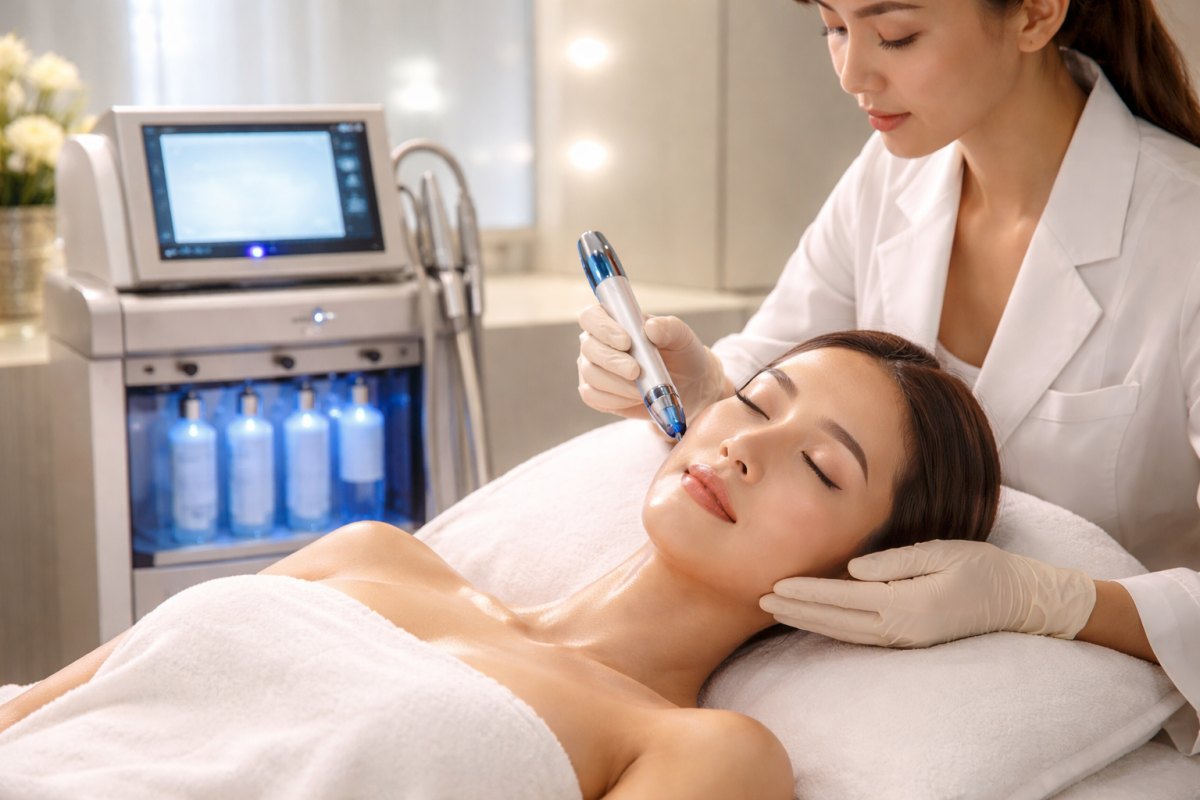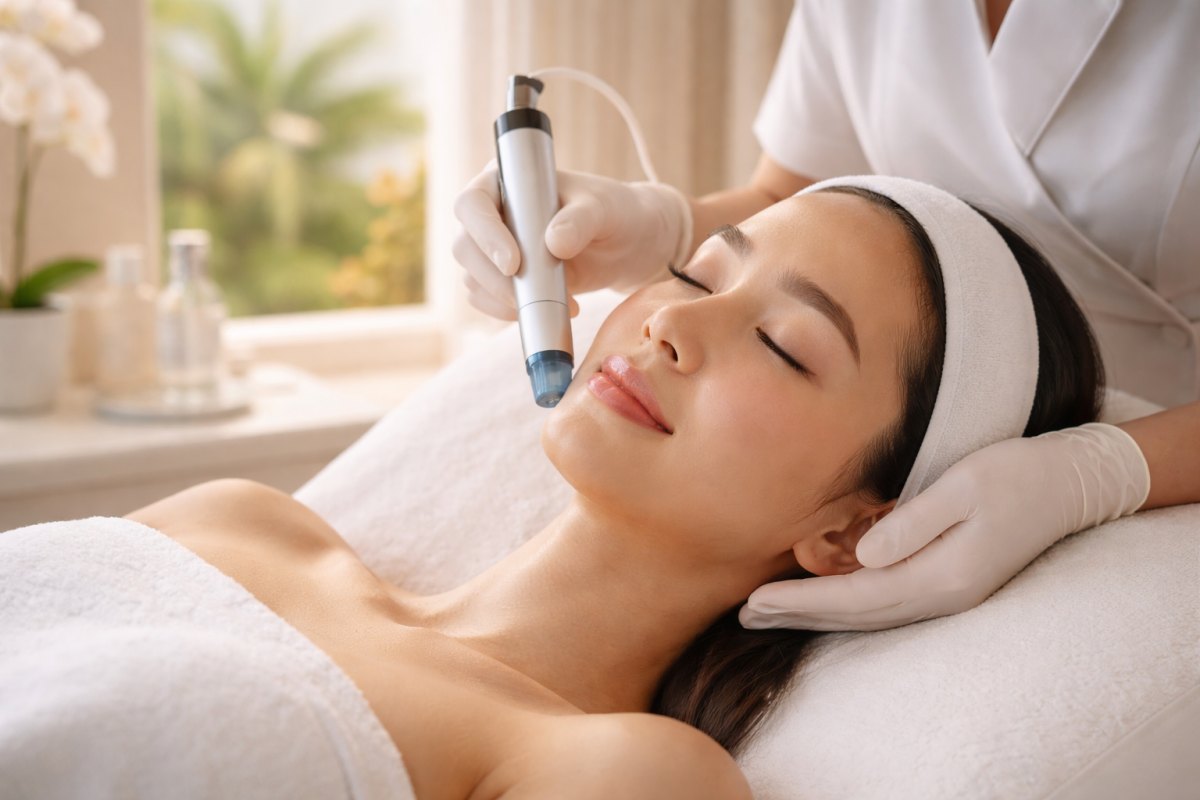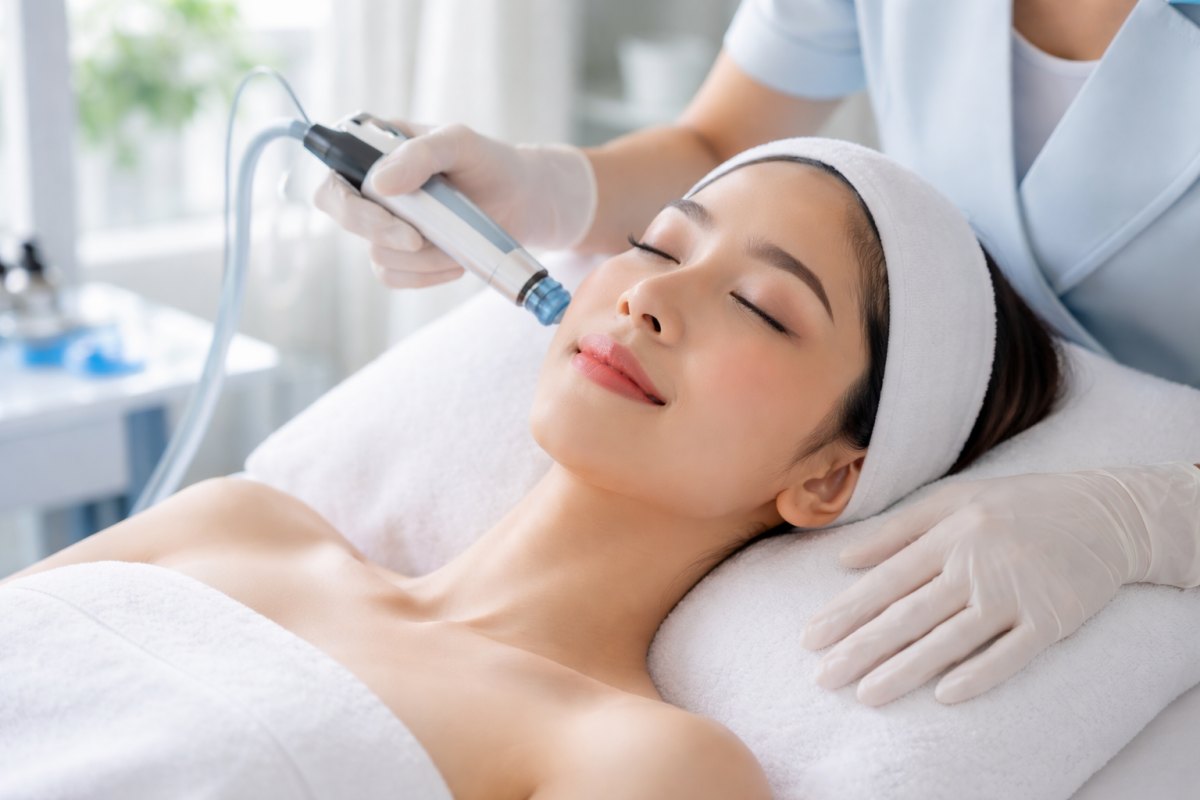
What makes Hydrafacial technology interesting in 2026?
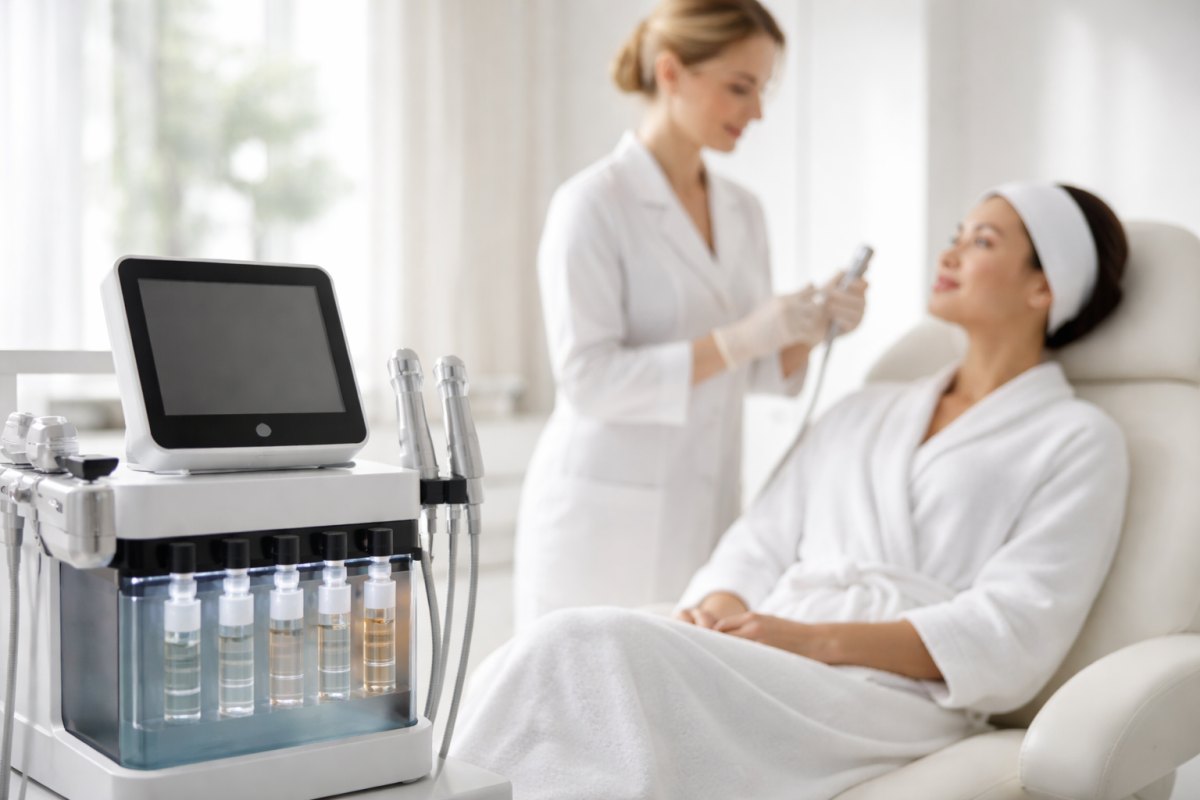
If you are comparing advanced non-invasive skincare in Thailand, the biggest reason Hydrafacial still stands out is not just the treatment itself, but the way its technology keeps evolving. In 2026, the conversation has shifted from a basic cleanse-and-extract approach to a more personalized system built around targeted boosters, skin-compatibility, and better support for common concerns like dehydration, dullness, and early fine lines.
For adults in Bangkok, that matters because city skin often deals with heat, humidity, sunscreen buildup, pollution, air conditioning, and frequent cleansing. A treatment that can address surface congestion while also delivering more tailored skin support has obvious appeal. That is why many clinics now present Hydrafacial as a technology platform rather than a single facial.
In practical terms, the latest Hydrafacial technology in Thailand is about combining exfoliation, extraction, and serum infusion with booster choices that can be adapted to the condition of the skin on the day of treatment. That flexibility is a major reason it continues to attract people looking for hydration-focused results without a complicated recovery period.
Why boosters are now the main story
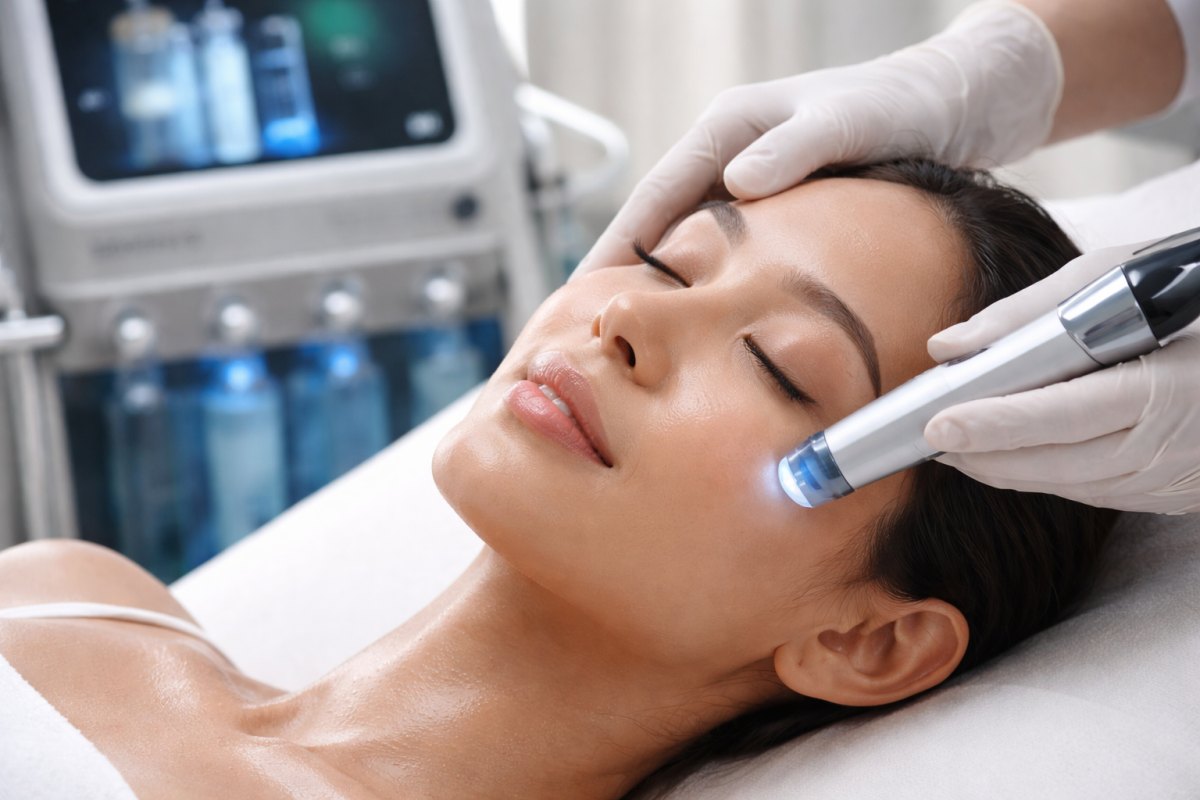
The most important shift in Hydrafacial technology is the booster system. Standard treatment steps help clear away buildup and prepare the skin, but boosters are what make the session feel more custom. In many Bangkok clinics, the booster conversation is now central to the consultation because it helps match the treatment to the patient’s main concern: dehydration, texture, visible tiredness, or early aging changes.
That is where newer options like HydraFillic with Pep9™ and Hydralock HA enter the picture. They represent a broader industry move toward more targeted formulas inside a familiar non-invasive treatment format. Instead of treating every face the same way, clinics can use technology to choose a booster that better fits the skin’s current needs.
For patients, this is useful because the question is no longer simply “Should I get Hydrafacial?” It becomes “Which Hydrafacial approach fits my skin right now?” That is a more helpful way to think about the treatment, especially in Thailand where skin can shift quickly with weather, travel, and daily urban exposure.
HydraFillic with Pep9™: what it adds for fine lines and dry-feeling skin
HydraFillic with Pep9™ is one of the newer names people are seeing in Hydrafacial menus. The key idea behind this booster is a more targeted approach for skin that looks dehydrated, tired, or beginning to show fine lines. Peptides are often discussed in skincare because they are commonly used in products aimed at supporting a more resilient-looking complexion, and that makes them a natural fit for a treatment designed around skin health.
For a Bangkok patient, this can be appealing during periods of heavy sun exposure, long office hours in air-conditioned environments, or after travel that leaves the skin looking flat and stressed. The practical benefit is not about dramatic overnight transformation. Instead, it is about creating a treatment profile that feels more focused on hydration support and smoother-looking skin texture.
People comparing Hydrafacial technology in Thailand often ask whether these newer boosters are worth it. The honest answer is that they are most interesting when the goal is not just cleansing, but a more refined treatment plan. If your skin feels tight, looks dull, or starts to show early expression lines, a peptide-powered booster may be a sensible upgrade to discuss with a qualified provider.
Hydralock HA and the hydration-first treatment mindset
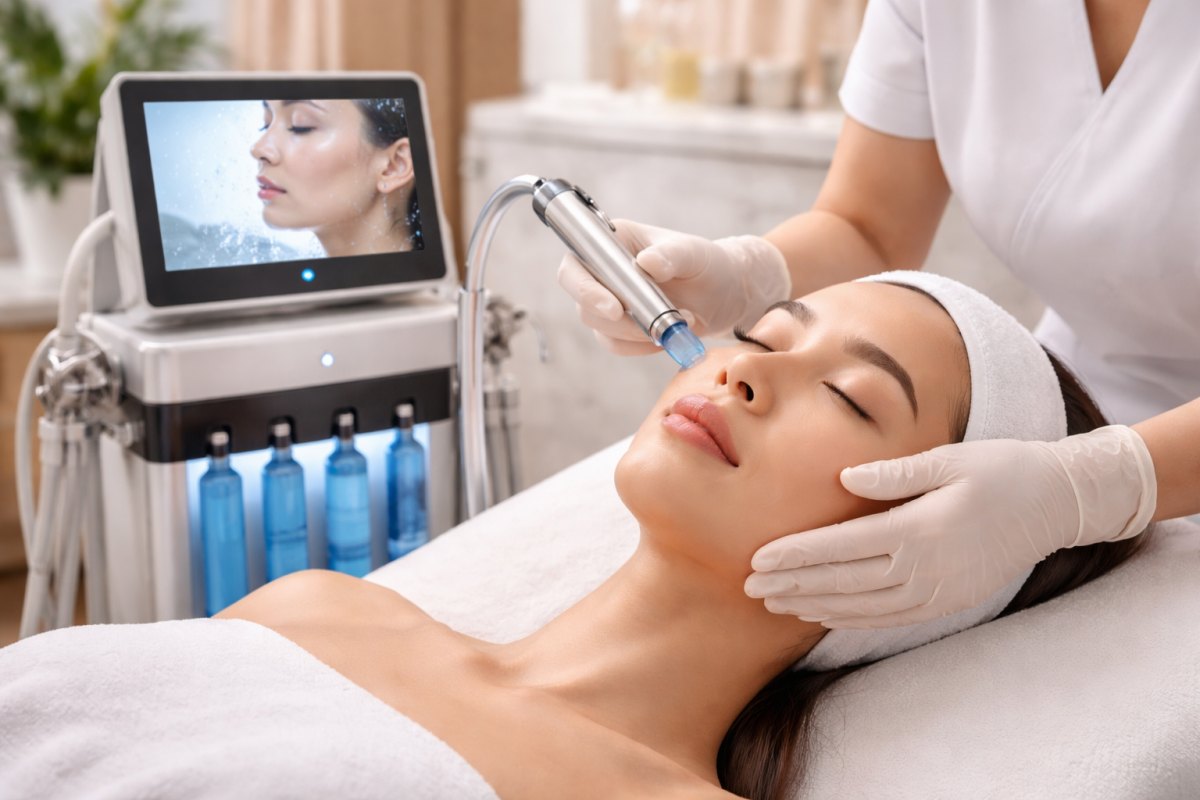
Hydralock HA is another booster gaining attention because hydration remains one of the most common skin concerns in Thailand, even in a humid climate. Humidity does not automatically mean the skin is well hydrated. Many people in Bangkok still experience dehydration from indoor cooling, over-cleansing, active ingredients, and daily environmental stress.
The appeal of a hydration-focused booster is that it aligns with a simple skin goal: help the skin look more comfortable, plumper, and better supported after treatment. While every clinic will describe the booster a little differently, the broader trend is clear. Patients increasingly want treatments that do more than make the skin feel clean; they want support for the skin barrier and visible freshness as well.
That is why Hydralock HA is often discussed alongside fine-line concerns. In real life, dryness and early lines often appear together. A treatment strategy that focuses on hydration can therefore feel more relevant than one that only targets surface debris. For many readers searching Hydrafacial Bangkok options, this is the key commercial question: will the upgrade meaningfully improve how the treatment fits my skin?
How Hydrafacial personalization works in real clinics
The strongest part of Hydrafacial technology is how the consultation shapes the treatment plan. In a good clinic, the provider will ask about skin sensitivity, current products, recent procedures, and whether the main concern is hydration, congestion, brightness, or early aging signs. Then the booster choice is adjusted accordingly.
This is especially relevant in Thailand because skincare routines can be intense. Many people use exfoliating acids, brightening products, retinoids, or layer multiple serums. A skilled provider should consider that context before selecting a Hydrafacial booster. The treatment should complement the routine, not overwhelm it.
In Bangkok clinics, personalization may also include decisions about suction intensity, treatment areas, and whether the session should lean more toward cleansing or more toward infusion and support. That is why it is helpful to view Hydrafacial not as a generic facial, but as a technology-based service that can be adapted to different skin types and different times of year.
Who may benefit most from the latest Hydrafacial options?
The newest boosters are most relevant for adults who want a non-invasive skincare option that fits busy city life. If your skin often feels dehydrated, looks dull, or seems to show fine lines more clearly after travel or long work weeks, the technology may be worth exploring. It may also suit people who want a treatment that feels more premium and personalized than a standard facial.
It is also a strong option for people who do not want visible downtime. That matters in Bangkok, where many patients book treatments around work, events, and weekend schedules. Hydrafacial can fit that lifestyle because it is typically positioned as a quick, clinic-based treatment with a modern, technology-forward image.
At the same time, not everyone needs the newest booster. If your main concern is simple maintenance, a standard treatment may already be enough. The newer formulas are most compelling when you want a more specific outcome, such as hydration support, smoother-looking fine lines, or a better-feeling skin barrier.
What to ask before booking in Thailand
If you are comparing Hydrafacial technology Thailand options, ask the clinic which booster they use for dehydration or fine lines, and why. Ask whether the provider adjusts settings for sensitive skin, recent retinoid use, or active congestion. If the clinic offers HydraFillic with Pep9™ or Hydralock HA, ask how they decide which one is more suitable for your current skin condition.
You should also ask how the treatment fits into a broader plan. A good result often depends on matching the session with your daily skincare, not replacing it. For some patients, Hydrafacial may be paired with a maintenance routine, a sunscreen strategy, or other in-clinic treatments recommended by a professional.
If you are ready to compare options, it can help to review the treatment structure first and then speak to a local provider. You can start with Hydrafacial technology and device details, then look into Hydrafacial treatment expectations, and finally use Find a Hydrafacial provider in Thailand to identify clinics in Bangkok and beyond.
Conclusion: is the newest Hydrafacial technology worth it?
For many adults in Thailand, the answer is yes if your goal is more personalized, non-invasive skincare with a hydration-first focus. The newest boosters do not change the basic appeal of Hydrafacial, but they do make the treatment more adaptable. HydraFillic with Pep9™ brings more attention to fine lines and skin support, while Hydralock HA reflects the ongoing demand for deeper-feeling hydration and barrier-minded care.
In a city like Bangkok, that matters because skin is constantly reacting to climate, schedules, and environment. The best reason to choose the latest Hydrafacial technology is not hype. It is the practical advantage of being able to tailor treatment more precisely to how your skin looks and feels right now.
If you are researching your next appointment, think in terms of skin goals rather than brand buzz. The most useful Hydrafacial is the one that fits your skin today, your routine tomorrow, and your comfort with non-invasive care in Thailand.