Why the hot season changes how skin behaves in Thailand
If you live in Thailand, especially in Bangkok, you already know that skin does not feel the same in every season. During the hot months, the combination of heat, humidity, sunscreen, sweat, and daily pollution can leave skin looking dull, greasy, or congested faster than usual. That is why Hydrafacial Thailand hot season planning matters: the treatment can be timed to help remove buildup, support hydration, and give skin a fresher finish when the weather is working against you.
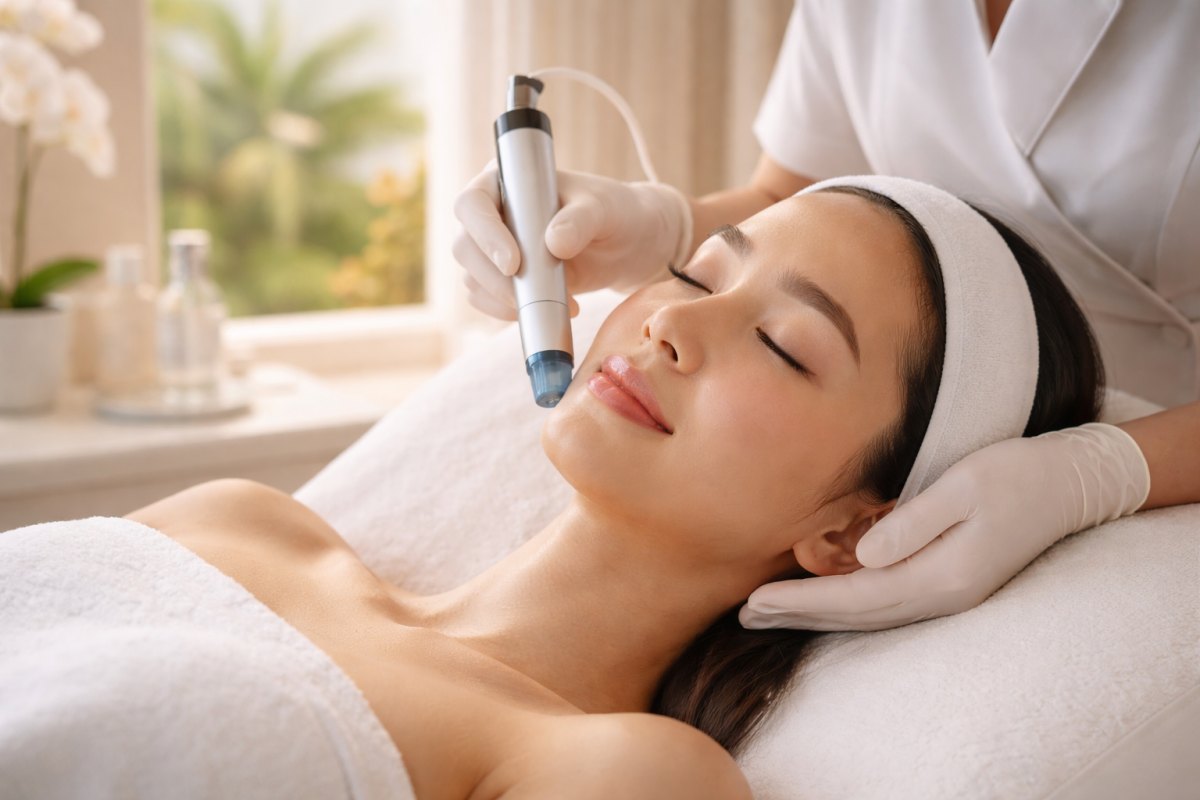
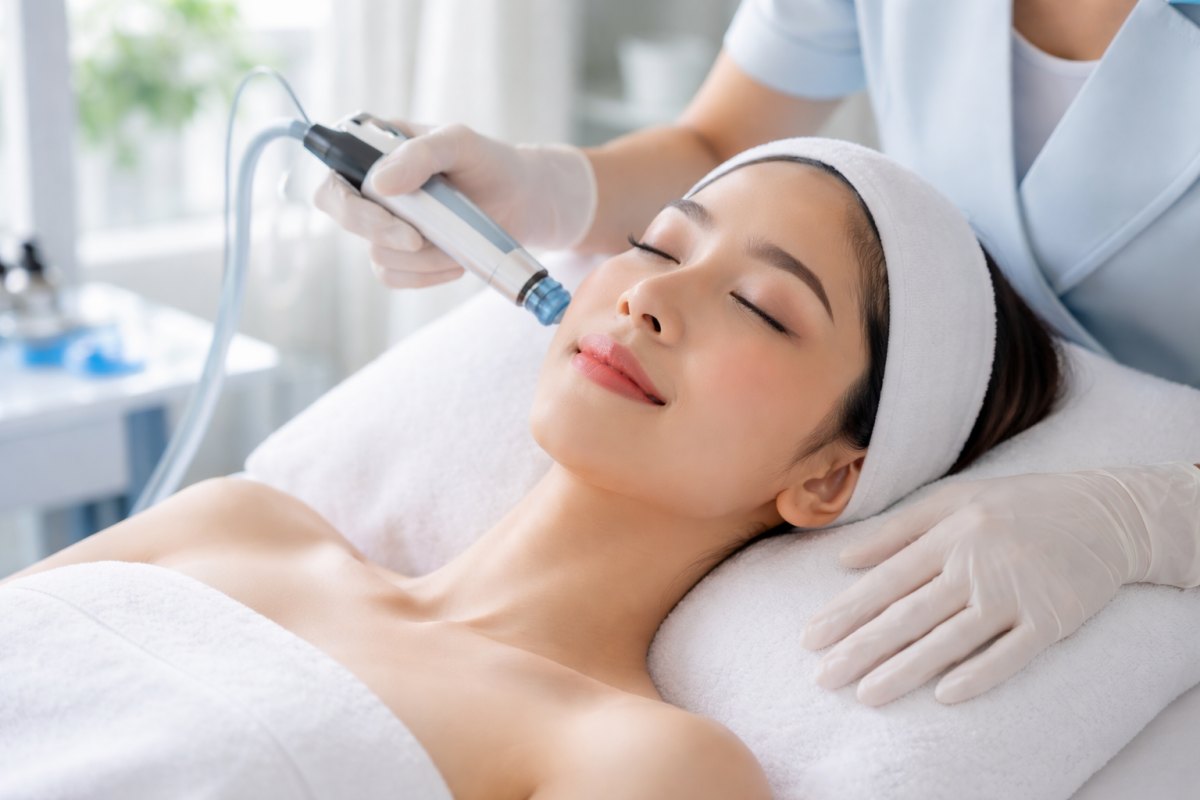
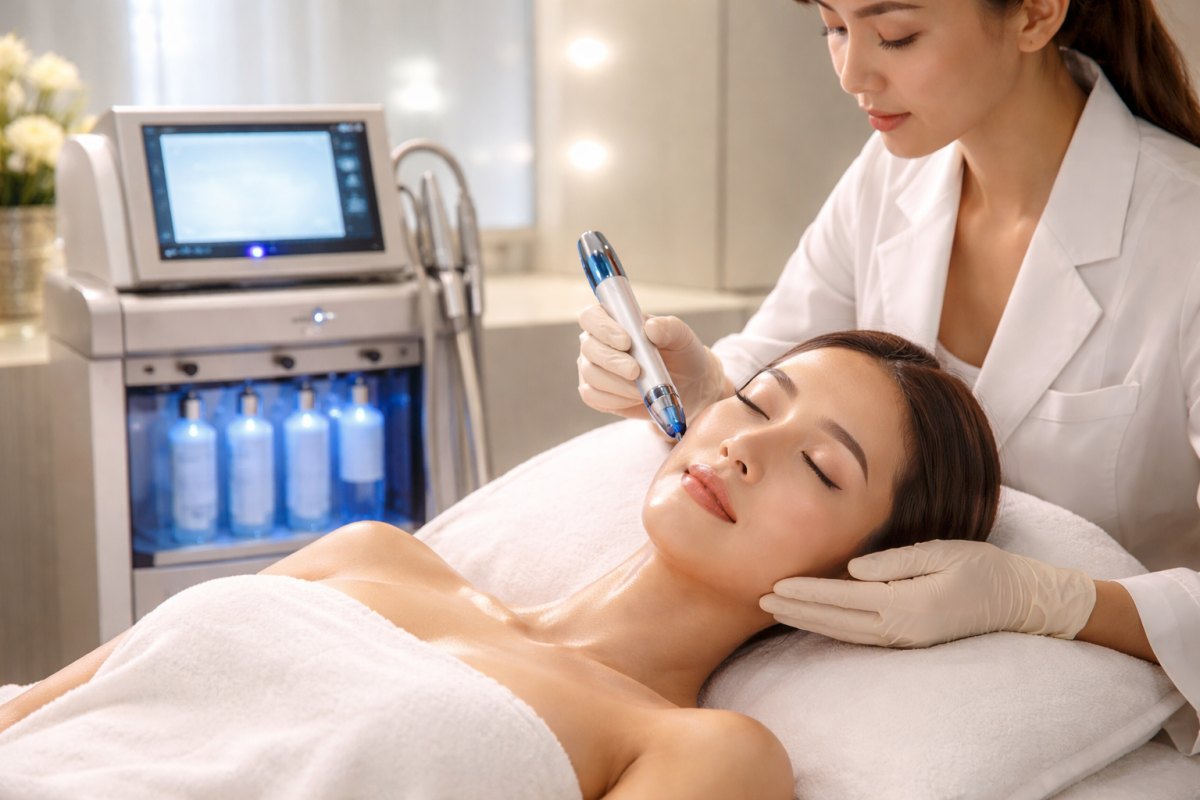
Hydrafacial is often popular in warm climates because it is designed as a multi-step facial that cleanses, exfoliates, and infuses hydration in one session. For people in Bangkok, that makes it a convenient option when the goal is not dramatic downtime, but a clean, polished reset that fits a busy schedule. In seasonal skincare planning, timing can be just as important as the treatment itself.
When Hydrafacial makes the most sense in Thailand’s hot season
The best time to book Hydrafacial is usually when you can see skin becoming less manageable with your normal routine. In Thailand’s hot season, that may happen after several days of heavy sunscreen use, long commutes, outdoor events, or travel. If your skin starts feeling rough, clogged, or makeup does not sit as smoothly, it may be a practical moment to book a session.
For many people, the hottest part of the year is also the time when oil production seems more noticeable. That does not mean everyone needs treatment at the same frequency, but it does explain why Hydrafacial for humid weather is a popular search. Humidity can make pores feel more congested, and an in-clinic deep cleanse can help the skin feel lighter and more refreshed.
If you are planning a series of events, it is smart to think ahead. A treatment booked too close to a major occasion can feel rushed, while booking too early may mean the skin has time to look less polished again. A balanced approach is to use Hydrafacial as part of a short seasonal skin plan rather than as a last-minute fix.
Why humidity, sunscreen build-up, and city life matter
Hot weather in Thailand is not just about temperature. It is also about how your daily habits change. Many people apply more sunscreen, reapply it several times, and layer on makeup for work or social plans. In Bangkok, this can combine with traffic pollution, dust, and long hours in air-conditioned spaces, which may leave the skin feeling mixed: oily on the surface but dehydrated underneath.
That is one reason Hydrafacial can feel relevant to monsoon skincare Thailand and summer skincare alike. The treatment is not about stripping skin aggressively. It is more about helping remove the surface congestion that builds up when you are constantly protecting your skin from UV and heat. When skin feels smoother after a treatment, it may also make your home routine easier to manage for a few days or weeks afterward.
People often notice that their usual cleanser does not fully solve the feeling of buildup in hot weather. A professional treatment can be useful when the goal is to support a cleaner starting point before you continue your normal moisturizer, sunscreen, and antioxidant routine.
How to time Hydrafacial before events in Thailand
If you are booking Hydrafacial before events Thailand, timing is the key decision. Weddings, engagement photos, corporate functions, graduation ceremonies, reunions, and Songkran travel all have different skin demands. For a calm planning window, many people prefer to schedule the session a few days before the event so the skin has time to settle into a natural glow.
That buffer can be especially helpful in Bangkok, where work schedules are unpredictable and traffic can make same-day beauty plans stressful. Booking in advance also helps you avoid crowding your calendar with multiple new products or last-minute exfoliation. If you want skin prep in Bangkok to feel organized, keep the final days before your event simple: hydrate well, avoid experimenting, and let the treatment do its work.
For very important events, some people prefer to consult a provider about the best timing based on their skin type and routine. A conservative plan is usually safer than trying something too close to the day itself. If you want to understand the treatment flow first, start with Hydrafacial treatment and then map it to your event calendar.
Hydrafacial during the rainy season: practical advantages
Thailand’s rainy season often changes how skin feels from morning to evening. You may start the day with a clean face and end it feeling sticky, humid, and ready for another wash. While no facial can change the weather, Hydrafacial during the rainy season can be a practical choice for people who want their skin to feel more balanced while the climate is unstable.
Rainy weather can also mean more time indoors, more exposure to air conditioning, and inconsistent moisture levels. Skin sometimes reacts to that mismatch by feeling tight in some areas and oily in others. A Hydrafacial session may be helpful as part of a seasonal routine when the complexion needs a clearer, smoother reset without a long recovery period.
That said, the rainy season is also when schedules can be disrupted. If you are planning treatment around travel or outdoor events, allow for flexibility. This is especially true for Bangkok residents who have to work around traffic, sudden showers, and shifting plans.
What to expect from the treatment when the weather is hot
Hydrafacial is often appreciated in warm climates because it is generally straightforward to fit into a normal day. People usually want a treatment that feels efficient, comfortable, and compatible with professional or social commitments. In hot weather, that convenience matters even more because few people want to add recovery time when they are already managing heat and humidity.
The skin experience can vary depending on your concerns and the provider’s protocol, but the overall appeal is that Hydrafacial tends to suit people who want a cleaner, fresher look without a heavy or overly aggressive approach. If you are comparing options, learning about the device and procedure can also help set expectations. You can explore more through Hydrafacial technology and device if you want to understand how the system is designed.
In seasonal planning, what matters most is consistency. A single session may be useful before an event, but a recurring schedule may make more sense if your skin gets oily or congested every time the weather gets more intense.
How often should you book in a hot climate?
There is no universal schedule that fits everyone. Some people book Hydrafacial only before major events, while others use it as part of a regular maintenance routine during the hottest months. In Thailand, the right rhythm depends on skin type, lifestyle, and how quickly buildup returns after treatment.
If you spend a lot of time outdoors, commute through Bangkok traffic, or wear makeup and sunscreen daily, you may notice seasonal changes more quickly than someone with a quieter routine. In that case, a provider may suggest spacing treatments to match your skin’s condition rather than the calendar alone. The goal is not to overdo it, but to treat the skin when it actually needs a reset.
For people who are unsure where to start, it can help to look for a provider who understands local climate patterns and event timing. If you are ready to compare clinics, use Find a Hydrafacial provider in Thailand to begin planning.
Closing thoughts: plan Hydrafacial like you plan your season
The most useful way to think about Hydrafacial Thailand hot season planning is simple: match the treatment to the moment when your skin needs the most help. In hot, humid months, that may mean dealing with sunscreen build-up, sweat, excess oil, or the dullness that comes from constant city exposure. Before events, it may mean giving your skin a cleaner, more polished starting point. During rainy season, it may mean keeping skin feeling balanced when the weather is unpredictable.
For adults in Thailand and Bangkok, the appeal is not just the glow. It is the convenience of a treatment that can fit into real life, real weather, and real event calendars. If you want Hydrafacial for humid weather to work well, the smartest move is to book with enough lead time, keep aftercare simple, and use the treatment as part of a broader seasonal skincare plan.
That approach is practical, flexible, and easy to repeat whenever the weather changes again.