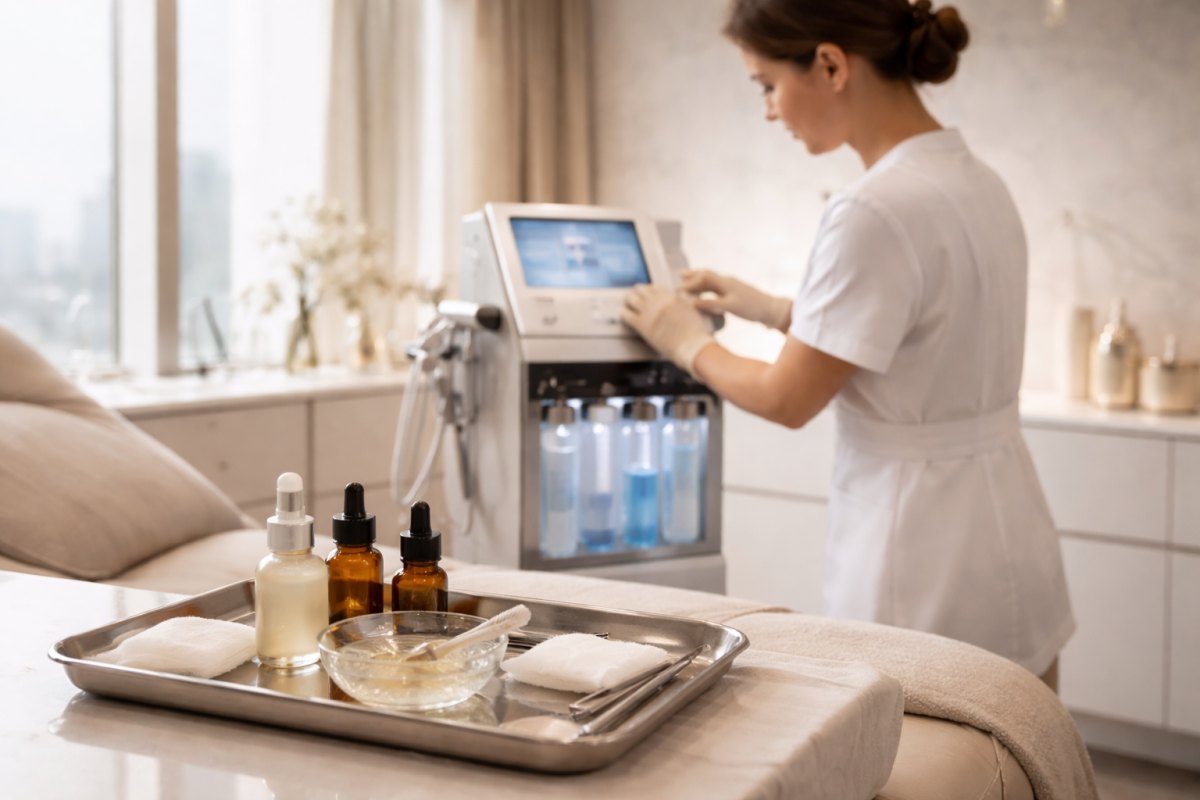
Hydrafacial vs chemical peel Thailand: the quick answer
If you are choosing between Hydrafacial vs chemical peel Thailand, the simplest way to think about it is this: Hydrafacial is usually the gentler, more hydration-focused option, while a chemical peel is often chosen when a provider wants more targeted exfoliation. For many people in Bangkok and other Thai cities, Hydrafacial is attractive because it can leave skin looking fresher with little to no visible recovery time. Chemical peels, on the other hand, can be a strong option for certain concerns, but they may involve more dryness, peeling, or short-term sensitivity depending on the formula and strength used.
That means the “better” treatment depends on your goal. If you want a glow-up before an event, work meeting, or weekend in Bangkok, Hydrafacial often fits the brief. If your main concern is uneven tone, rough texture, or stubborn surface buildup and your skin can tolerate a more active exfoliation plan, a chemical peel may be the better match. A qualified provider can help you choose based on your skin type, climate exposure, and how much downtime you can realistically manage.
What Hydrafacial does differently
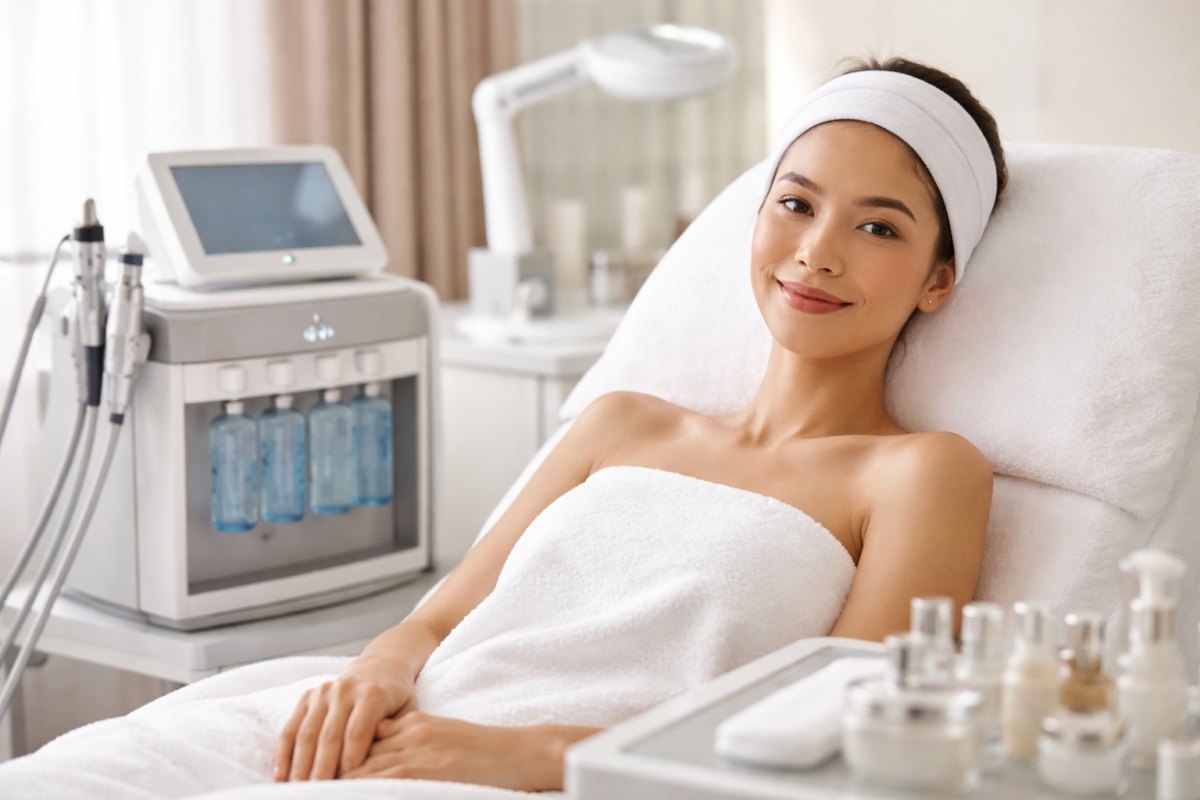
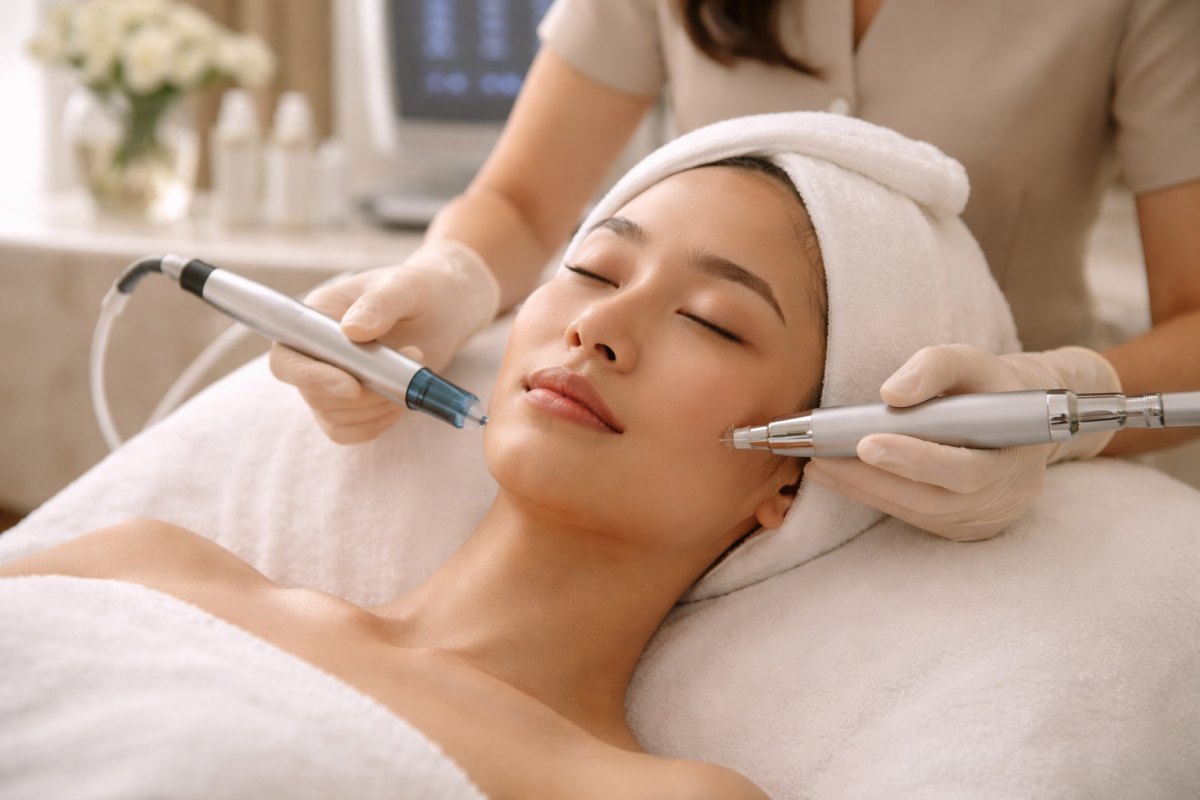
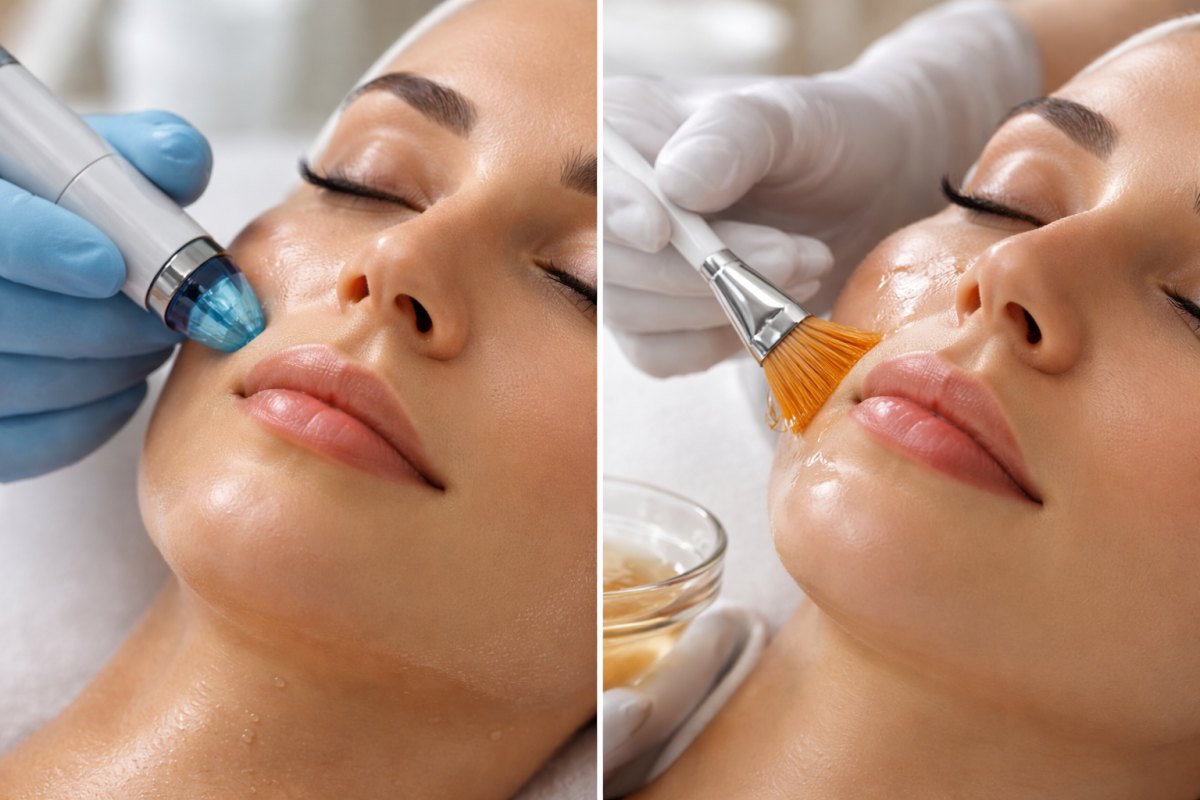
Hydrafacial is a multi-step facial treatment that combines cleansing, exfoliation, extraction, and serum infusion in one session. In practical terms, it is designed to remove debris from the skin surface and pores while also adding hydration. That combination is a major reason it remains popular with clinic-led skincare shoppers looking for Hydrafacial Bangkok options. It suits people who want a polished, healthy-looking finish without the “too red to go out” feeling that can follow some more aggressive procedures.
Hydrafacial is often described as a good option for congested skin, dullness, and dehydrated-looking skin. Many patients like that it can feel more comfortable than stronger exfoliation treatments. In a humid city like Bangkok, where oiliness, makeup slip, and pollution exposure are common complaints, a treatment that cleans pores and supports a refreshed appearance can feel especially practical.
From a provider perspective, Hydrafacial also fits neatly into modern clinic menus because it is easy to personalize. Clinics can adjust serums, intensity, and add-on steps based on a patient’s skin goals. The treatment’s global scale matters too: Hydrafacial’s widespread use across thousands of devices shows that it has become a mainstream professional treatment, not just a niche trend. That kind of market maturity can matter to Thai patients who prefer familiar, clinic-backed options.
What a chemical peel is best known for
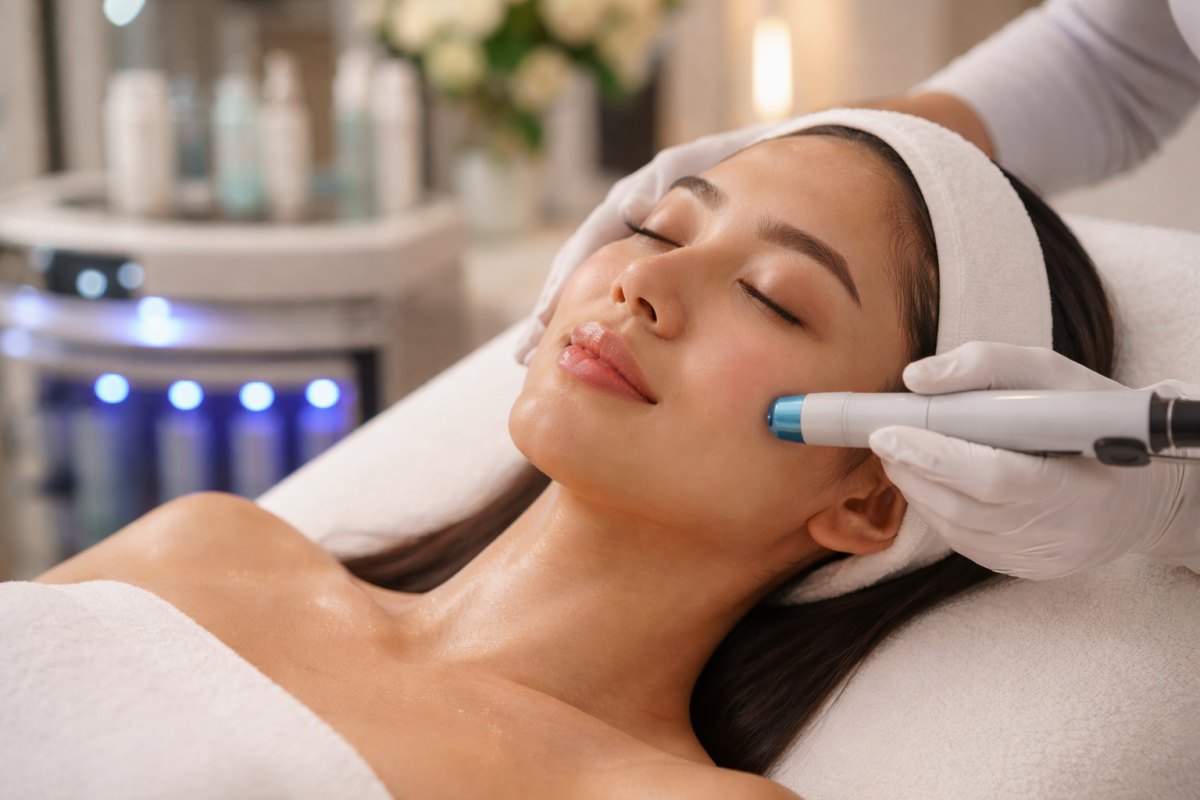
A chemical peel uses acids or other exfoliating agents to encourage the outer layers of skin to shed more quickly. Depending on the peel type, the treatment can target rough texture, dullness, post-acne marks, uneven tone, or visible congestion. Chemical peel Bangkok searches are common because peels are a long-established clinical option and can be adapted to different skin needs.
Compared with Hydrafacial, a peel is often more treatment-driven and less “spa-like” in feel. Some people prefer that because they want a more active exfoliation plan. Others are cautious because chemical peels can sometimes cause flaking, redness, or a few days of sensitivity. The exact experience depends on the strength of the peel, how your skin responds, and how carefully aftercare is followed.
For patients who want more visible resurfacing or who are working on specific pigmentation or texture issues, a peel can be a useful part of a provider-led skincare plan. But it is not always the best first choice for someone who simply wants a smoother, more hydrated glow with minimal interruption to daily life.
Glow: which one looks better right away?
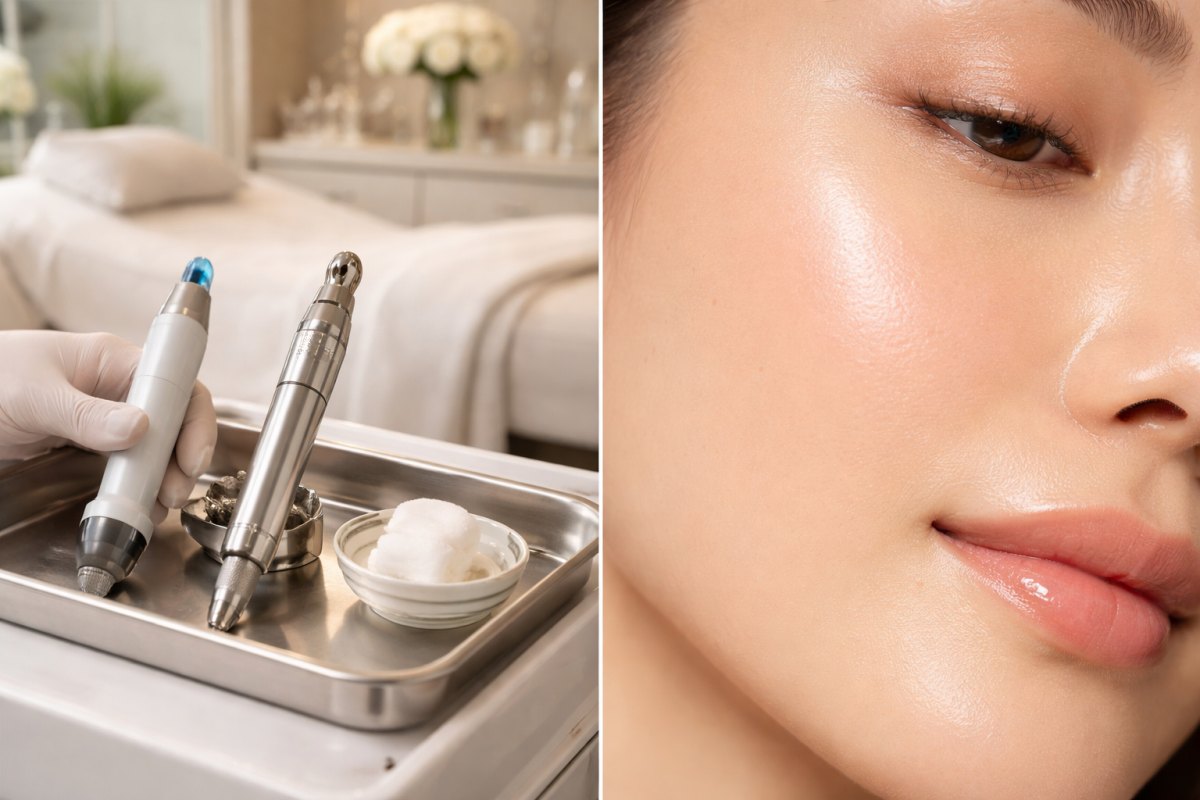
If the question is Hydrafacial for glowing skin, Hydrafacial usually wins for immediate radiance. Many people like the quick visual refresh because the treatment combines exfoliation with hydration. Skin can look cleaner, feel smoother, and appear more luminous soon after the appointment, which makes it appealing before weddings, interviews, dates, or travel.
Chemical peels can also improve glow, but not always in the same instant way. Some peels work by creating a short recovery phase before the brighter result becomes visible. That means the timeline can be less convenient if you need to look camera-ready the same day. If your priority is a fast “fresh face” effect, Hydrafacial often feels more predictable.
In Thailand, where many people balance office schedules, social events, and outdoor heat, a low-fuss glow treatment is easy to fit in. That is one reason Hydrafacial continues to be a favorite in Bangkok clinics.
Congestion and clogged pores: which treatment is stronger?
For congestion, both treatments can be useful, but they do different jobs. Hydrafacial uses suction-assisted extraction as part of its process, which makes it especially appealing for visible debris, blackheads, and oil buildup. People with combination skin or mild congestion often like the cleaner-feeling result without feeling overly stripped.
Chemical peels can also help congestion by loosening dead skin cells and reducing surface buildup. In some cases, a peel may be selected when the skin needs more structured exfoliation than a facial can provide. However, if the skin is already reactive, over-exfoliated, or very sensitive, a provider may prefer a gentler approach first.
So if your main concern is clogged pores with a need for hydration, Hydrafacial is often the more comfortable starting point. If your provider wants a more assertive resurfacing strategy, a peel may be added later or used in rotation.
Downtime: how much recovery should you expect?
Downtime is often the deciding factor in facial treatment with downtime comparisons. Hydrafacial usually has very little visible downtime. Some people may have slight pinkness right after the treatment, but many return to normal routines immediately. That makes it convenient for busy professionals in Bangkok and for anyone who cannot afford to hide at home for several days.
Chemical peels vary more. Mild peels may cause only a brief flush or light dryness, while stronger peels can lead to peeling, flaking, sensitivity, or temporary tightness. For that reason, chemical peels are not always the best fit right before a packed work week, beach trip, or major event. They can be excellent when planned in advance, but they usually require more aftercare awareness than Hydrafacial.
If your tolerance for visible recovery is low, Hydrafacial is often the safer-sounding choice. If you are comfortable with a little peeling in exchange for a more active resurfacing approach, a chemical peel may still be worth discussing with a provider.
Budget and treatment planning in Thailand
In Thailand, treatment pricing can vary widely by clinic location, provider experience, peel strength, and whether the visit includes add-ons or combination care. In general, Hydrafacial may sit at a premium facial price point because it is device-based and often marketed as a branded treatment. Chemical peels can sometimes be priced more accessibly, but stronger or more customized peels may still be a significant investment depending on the clinic.
When comparing budget, it is better to think beyond the session fee. Ask how many treatments might be recommended, what aftercare products you will need, and whether the provider is likely to suggest a series rather than a one-off session. For some people, the best value is the treatment they can repeat comfortably. For others, the best value is the one that better matches their skin goal even if the upfront price is higher.
That is why a clinic consultation matters. A good practitioner in Bangkok or another Thai city should explain not only the treatment name, but also the expected sequence, maintenance schedule, and skin compatibility.
Which treatment is better for sensitive skin?
Sensitive skin often leans toward Hydrafacial because the treatment can be adjusted to be gentler and more hydrating. That said, every skin barrier is different. If someone has active irritation, eczema-like flares, or recent overuse of exfoliating products, even Hydrafacial may need to be delayed or modified.
Chemical peels can be appropriate for sensitive skin only when carefully selected and professionally supervised. A mild peel may work well for some patients, but stronger exfoliating acids can easily push skin into redness or discomfort if the barrier is already compromised. This is why patch history, product use, sun exposure, and home routine should all be discussed before treatment.
In a tropical environment like Thailand, where UV exposure and humidity can both influence the skin barrier, a cautious approach is wise. Your provider should tailor the plan to your skin rather than forcing one treatment to fit every face.
How to choose between Hydrafacial and chemical peel
Choose Hydrafacial if you want hydration, a quick visible glow, pore-clearing support, and little downtime. Choose a chemical peel if your provider thinks your skin would benefit more from targeted exfoliation, texture refinement, or a more active resurfacing plan. If you are not sure, start with your main priority: instant glow, congestion control, texture improvement, or budget.
For many readers comparing Hydrafacial vs chemical peel Thailand, the answer is not “one is better than the other.” It is more about timing, skin tolerance, and the look you want after the appointment. A Bangkok clinic may even recommend alternating treatments over time, rather than relying on just one category forever.
If you want to explore treatment details or compare provider options, you can start with the Hydrafacial treatment page or use the Hydrafacial results section to understand what typical outcomes and maintenance may look like.
Final takeaway
Hydrafacial and chemical peels both have a place in modern skincare, but they solve slightly different problems. Hydrafacial is usually the better fit for instant glow, comfort, and low downtime. Chemical peels can be the stronger pick for targeted exfoliation and texture-focused care, as long as you are comfortable with possible peeling or short-term sensitivity.
For Thai skincare readers, especially those comparing options in Bangkok, the smartest choice is the one matched to your skin condition, calendar, and tolerance for recovery. A trusted provider can help you decide whether to start gently with Hydrafacial or plan a peel-based routine that fits your goals.