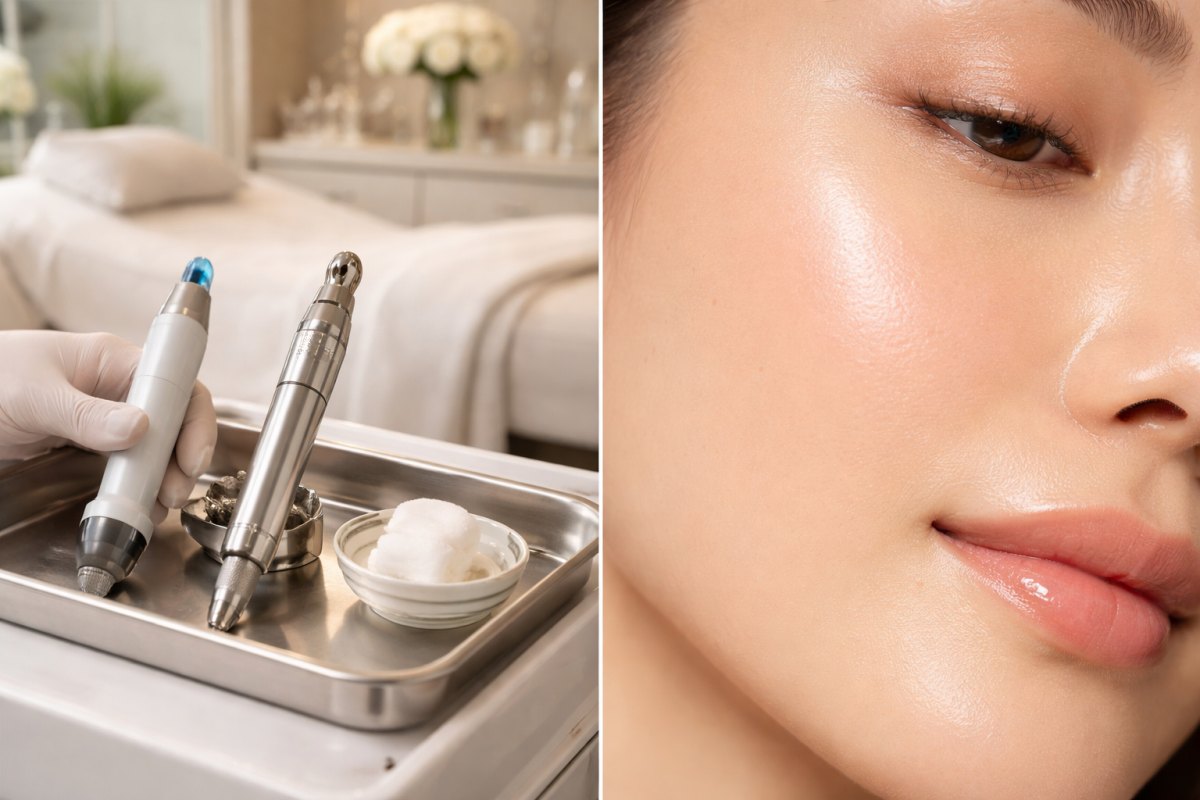
Hydrafacial vs microdermabrasion in Thailand: the short answer
If you are comparing Hydrafacial vs microdermabrasion Thailand, the biggest difference is simple: microdermabrasion mainly exfoliates, while Hydrafacial exfoliates and also cleanses, hydrates, and delivers serums in one treatment. For many Bangkok patients, that makes Hydrafacial feel gentler and more versatile, especially when the skin is dull, dehydrated, or exposed to heat, pollution, and frequent sunscreen buildup.
Microdermabrasion can still be useful if your main goal is surface smoothing and you want a classic, no-frills exfoliating facial. But if you want a treatment that does more than remove dead skin, Hydrafacial often has the edge because it combines crystal-free exfoliation with vortex suction and hydration-focused serum infusion.
What is microdermabrasion?
Microdermabrasion is a mechanical exfoliation treatment that uses a device to remove the outer layer of dead skin cells. Depending on the system, it may use fine crystals or a diamond-tipped wand to resurface the skin. The goal is to improve rough texture, dullness, and a tired-looking complexion by polishing away surface buildup.
In practice, microdermabrasion is often chosen by people who want a straightforward facial treatment and are comfortable with a drier, more exfoliation-heavy approach. It can be a good fit for some skin types, but it does not actively infuse hydration during the process.
How Hydrafacial works differently
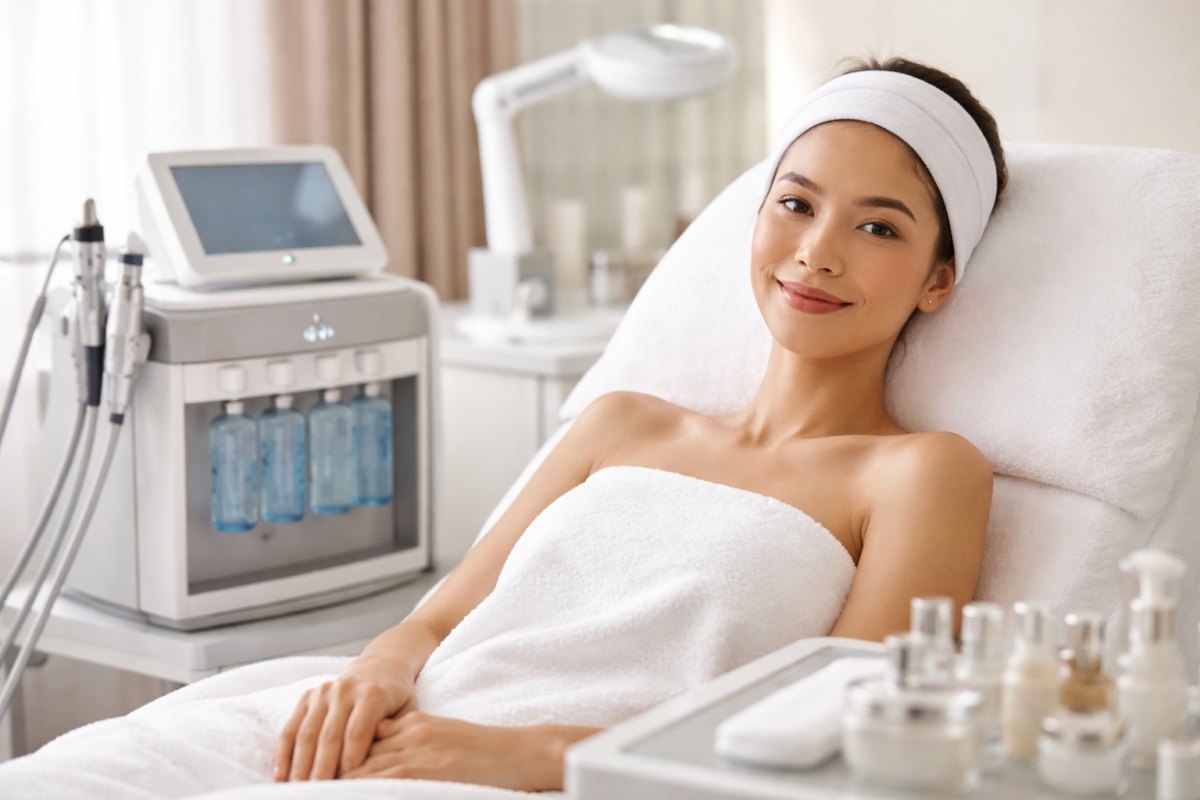
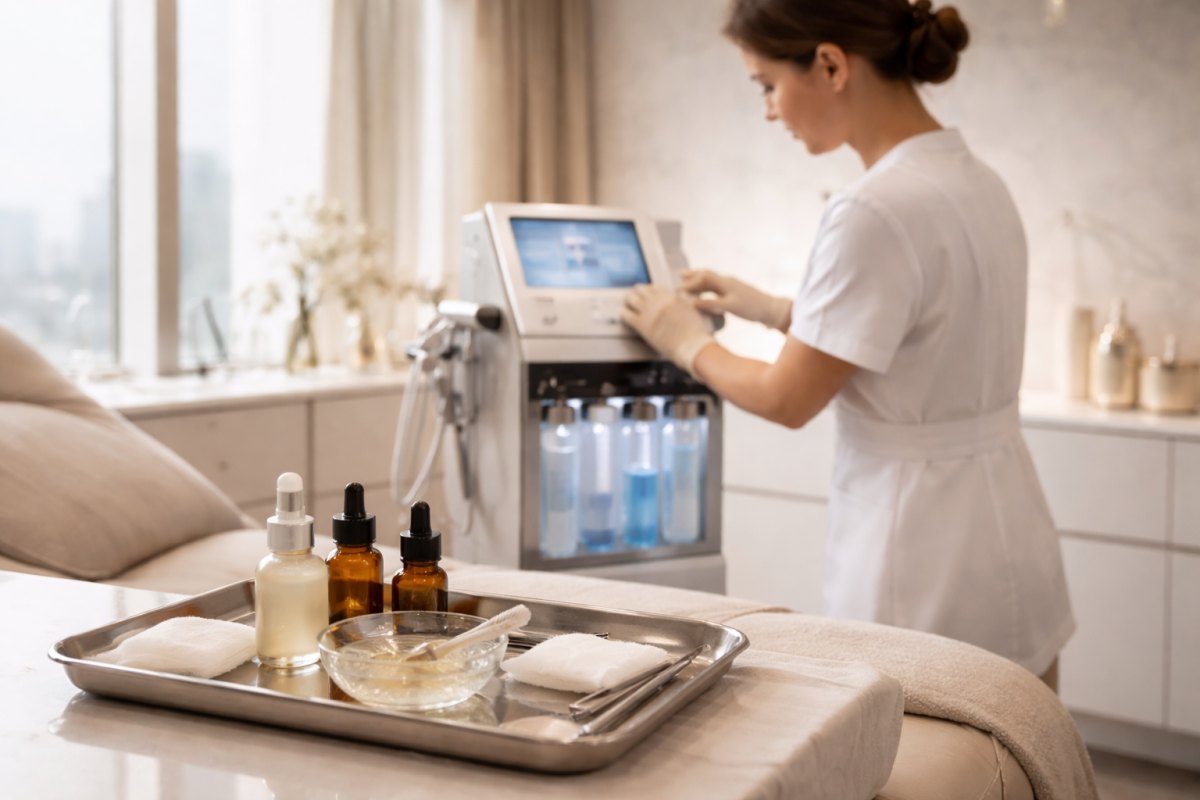
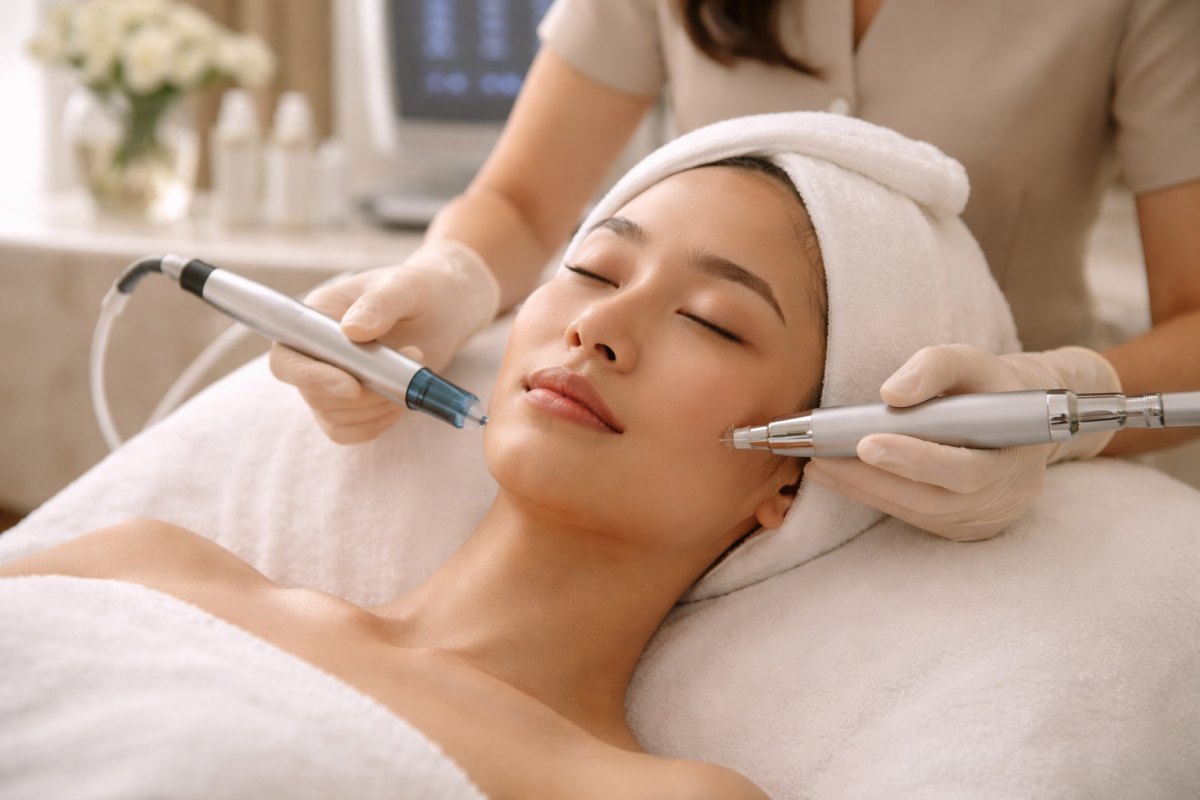
Hydrafacial uses a spiral tip and vortex-style suction to lift away debris while simultaneously applying skin-specific solutions. Instead of focusing only on abrasion, it pairs exfoliation with cleansing and serum delivery. That is why many clinics describe it as a treatment that goes beyond dry exfoliation.
For patients in Thailand, that matters because urban skin often needs more than a polish. Humidity, air conditioning, traffic pollution, and sunscreen layering can leave skin congested on the surface yet dehydrated underneath. Hydrafacial is designed to address both texture and moisture-related concerns in a single session.
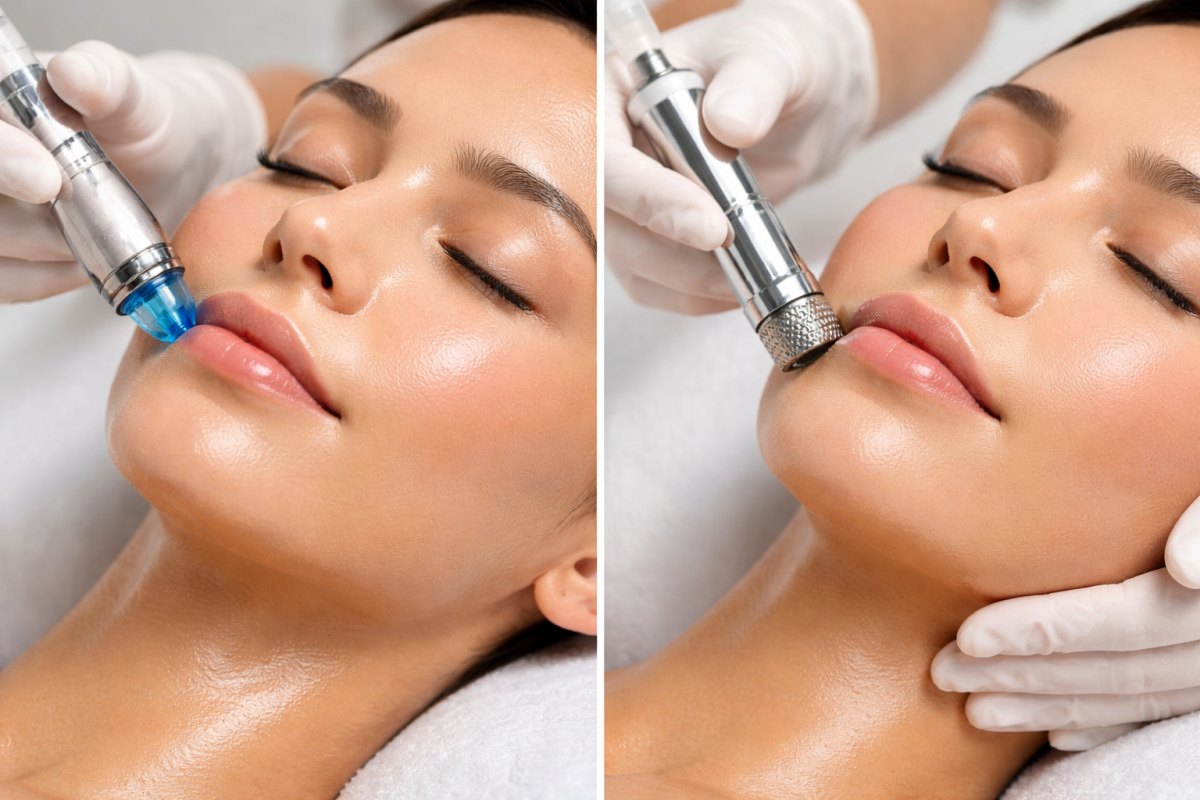
Hydrafacial vs microdermabrasion: exfoliation, hydration, and comfort
When people compare Hydrafacial exfoliation with microdermabrasion, they usually care about three things: how smooth the skin feels, how hydrated it looks afterward, and how comfortable the treatment is. Microdermabrasion is often more focused on physical resurfacing, so the skin may feel squeaky-clean but also a little dry or tight afterward.
Hydrafacial typically feels more balanced because the exfoliation step is followed by hydration support. That makes it appealing for office workers, frequent skincare users, and anyone who wants a fresher look without the stripped feeling that some exfoliating facials can create.
Which one is better for Bangkok skin?
For Bangkok skin, the better option depends on your main concern. If your skin is oily, congested, and you specifically want a classic resurfacing facial, microdermabrasion may be enough. If your skin is dull plus dehydrated, or if you want a more all-in-one treatment with less post-treatment dryness, Hydrafacial is often the more practical choice.
Thailand’s climate can make this decision more important. Heat and humidity can increase oiliness, but constant air conditioning can leave the skin barrier feeling dry. Many patients do not want to trade one problem for another, so a treatment that exfoliates while also supporting hydration can be more appealing.
Downtime and aftercare: what to expect
Both treatments are generally considered low downtime compared with more aggressive resurfacing procedures, but the recovery experience is not identical. After microdermabrasion, some people notice redness, tenderness, or temporary dryness. The skin may also be more sensitive to sun exposure, so careful daytime protection matters, especially in Thailand.
Hydrafacial usually has a reputation for minimal downtime. Many patients leave the clinic looking fresh rather than visibly irritated. That said, every skin type reacts differently, and patients should still follow their provider’s advice on cleansing, sunscreen, and avoiding harsh actives if their skin feels sensitive.
Who may prefer microdermabrasion?
Microdermabrasion may suit you if your main goal is simple exfoliation and you do not mind a treatment that is more focused on resurfacing than hydration. It can be attractive for people who want a familiar classic facial and are not specifically looking for serum infusion or a more pampering finish.
It may also appeal to patients who have tried it before and know they tolerate it well. As always, the right choice depends on skin type, current sensitivity, active breakouts, and whether the clinic recommends an approach that matches your goals.
Who may prefer Hydrafacial?
Hydrafacial is often a strong option for patients who want gentle exfoliation with hydration, especially if their skin looks tired, feels dehydrated, or needs a brighter finish before work, travel, or an event. It is also appealing for people who dislike the dryness that sometimes follows mechanical exfoliation.
In a Thailand clinic setting, Hydrafacial is often positioned as a more modern maintenance facial for busy patients who want visible freshness with minimal disruption to daily life. If you are unsure whether your skin needs more polishing or more moisture support, this is one reason many providers steer patients toward Hydrafacial first.
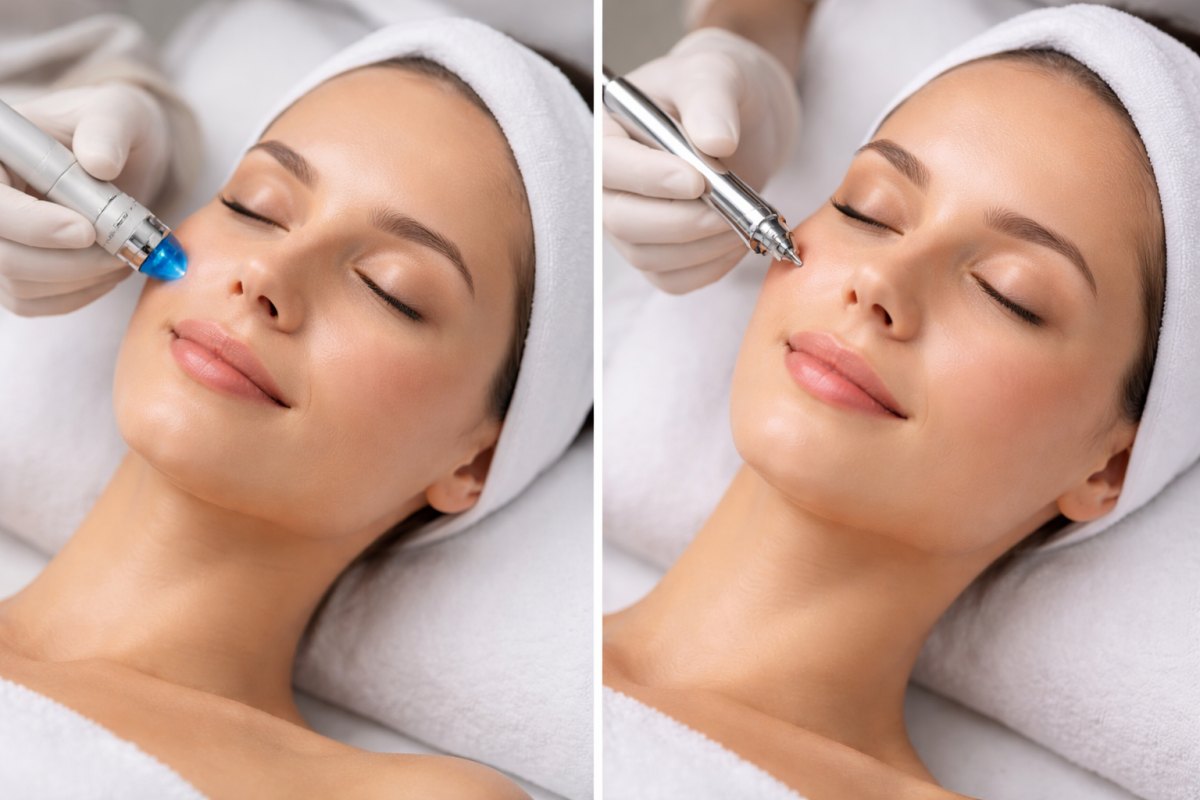
Cost, clinic selection, and how to decide
Pricing in Thailand can vary by clinic location, device, provider experience, and whether add-on boosters are included. Bangkok facial treatment menus often place microdermabrasion as a more classic entry-level option, while Hydrafacial may be marketed as a premium treatment because it combines multiple steps and solution delivery in one session.
When deciding, do not compare price alone. Ask what the treatment is trying to solve, how the clinic customizes it for your skin, and what you should expect afterward. A cheaper exfoliation session is not necessarily better if your skin really needs hydration and barrier support.
Where Hydrafacial fits in a modern Thailand skincare routine
For many patients, Hydrafacial works best as part of a maintenance routine rather than as a one-time fix. It can be useful before important events, during seasonal dullness, or when you want to reset skin that feels congested from makeup, sunscreen, and urban living.
If you are researching a provider, you can also read more about the core Hydrafacial treatment details and then compare clinics that offer both classic exfoliation and Hydrafacial options. If you want personalized advice, the safest next step is to Find a Hydrafacial provider in Thailand and ask which treatment better matches your skin condition today.
Conclusion: which one should you choose?
If your main question is whether Hydrafacial or microdermabrasion is better for exfoliation and hydration, the answer is usually Hydrafacial for patients who want more comfort, more moisture support, and less dryness afterward. Microdermabrasion still has a place as a classic resurfacing facial, but it is narrower in scope.
For Thai consumers comparing facial treatment Bangkok options, the best choice comes down to your skin type, tolerance for downtime, and whether you want a simple exfoliating session or a more complete skin-refreshing treatment. When in doubt, start with a consultation and choose the option that fits your skin barrier as well as your glow goals.