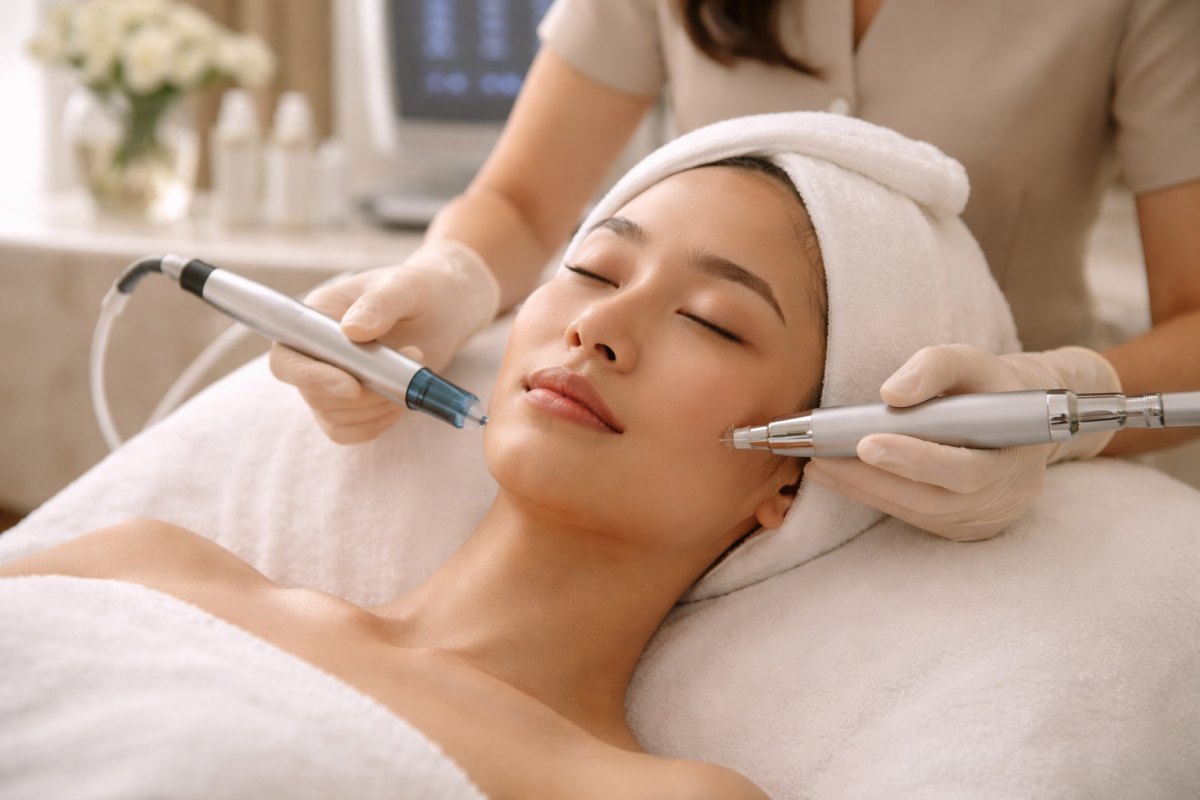
Hydrafacial vs nano-channeling Thailand: the short answer
If you are trying to decide between Hydrafacial vs nano-channeling Thailand, the simplest answer is this: Hydrafacial is usually the better pick for immediate glow, surface hydration, and gentle exfoliation with minimal fuss, while nano-channeling is often chosen when the main goal is to help skin care actives absorb more evenly and to support a fresher, smoother look over time. For many patients in Bangkok and across Thailand, the best choice depends on whether you want an instant polished finish or a treatment plan that targets texture and early fine lines more directly.
Both are low-downtime clinic treatments, and both appeal to people with busy schedules, office work, social events, and humid urban skin challenges. The difference is in how they work on the skin and what kind of result you are prioritizing. Hydrafacial focuses on cleansing, exfoliating, extracting, and hydrating in one session. Nano-channeling uses very tiny channels to encourage product delivery with a more active skin-rejuvenation style. Neither is a one-size-fits-all answer, which is why comparing them before booking is smart.
What Hydrafacial does for glow and hydration
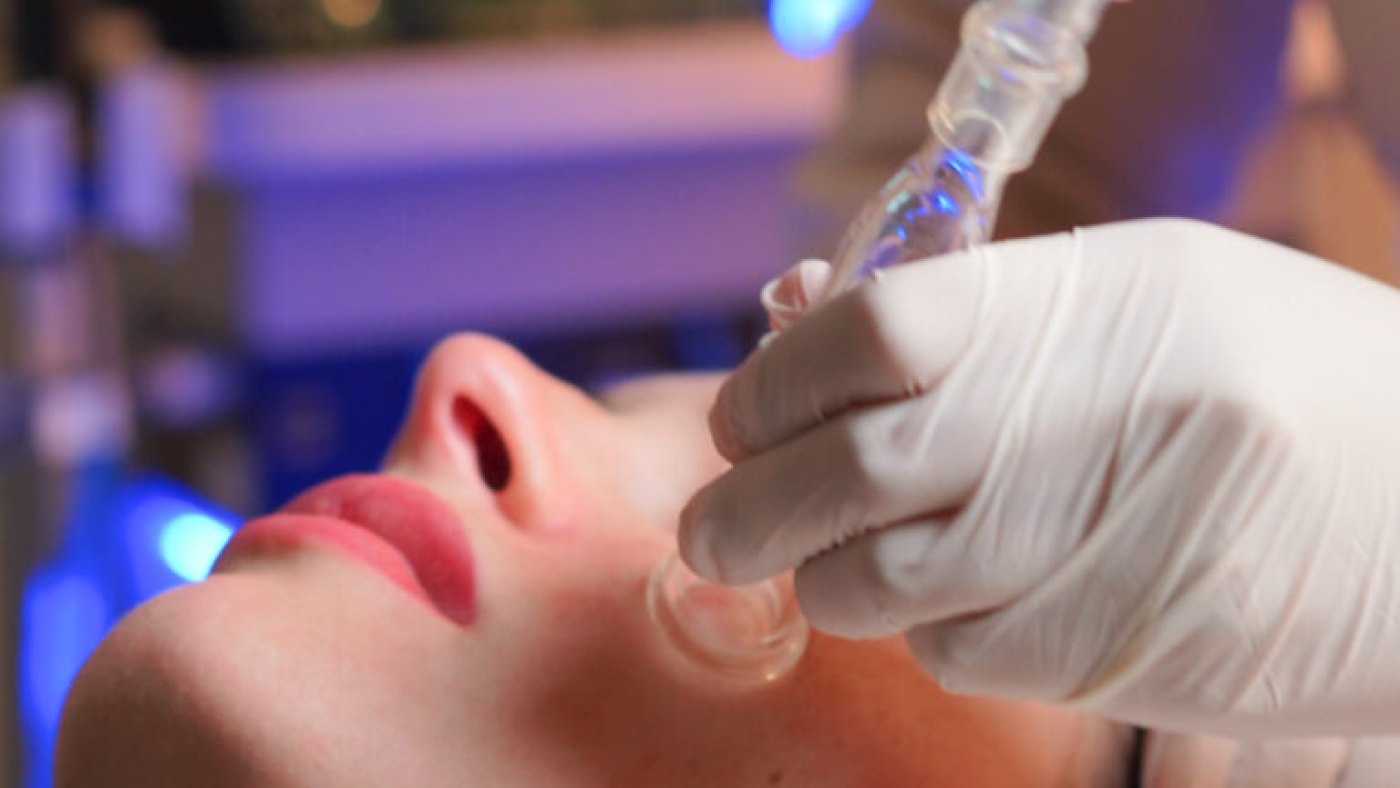
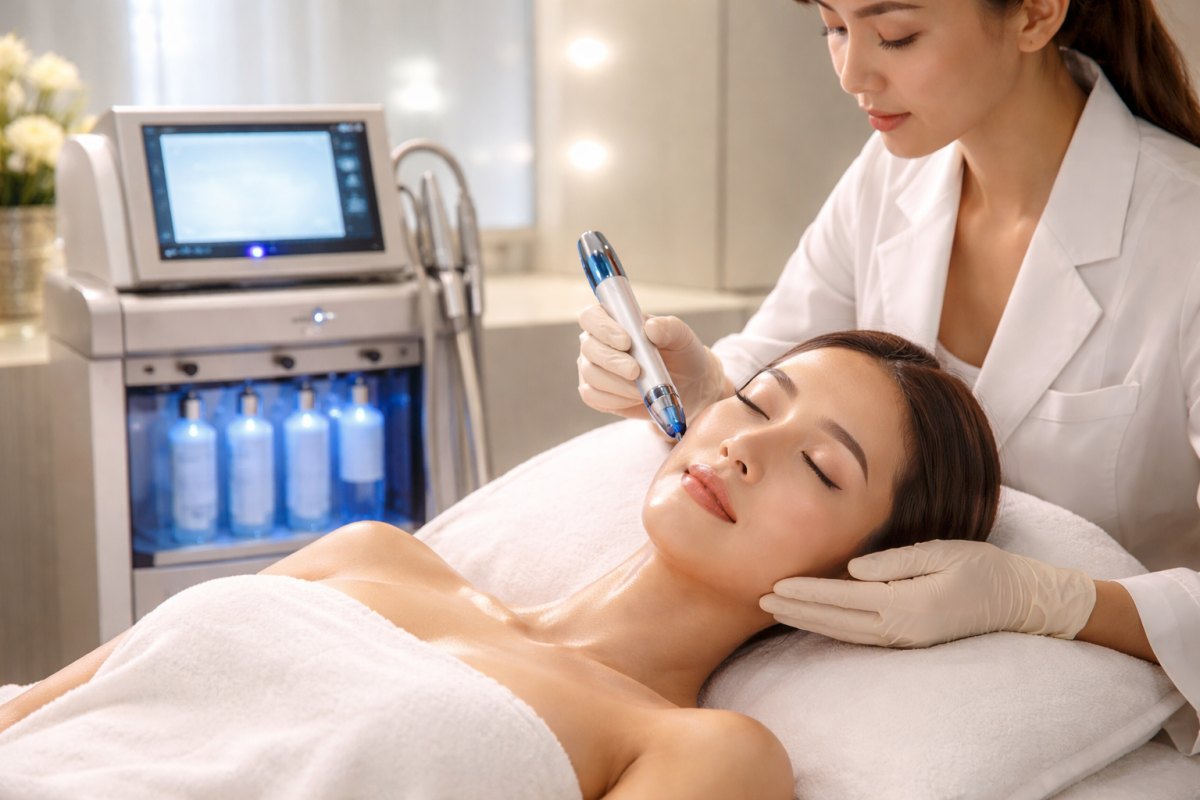
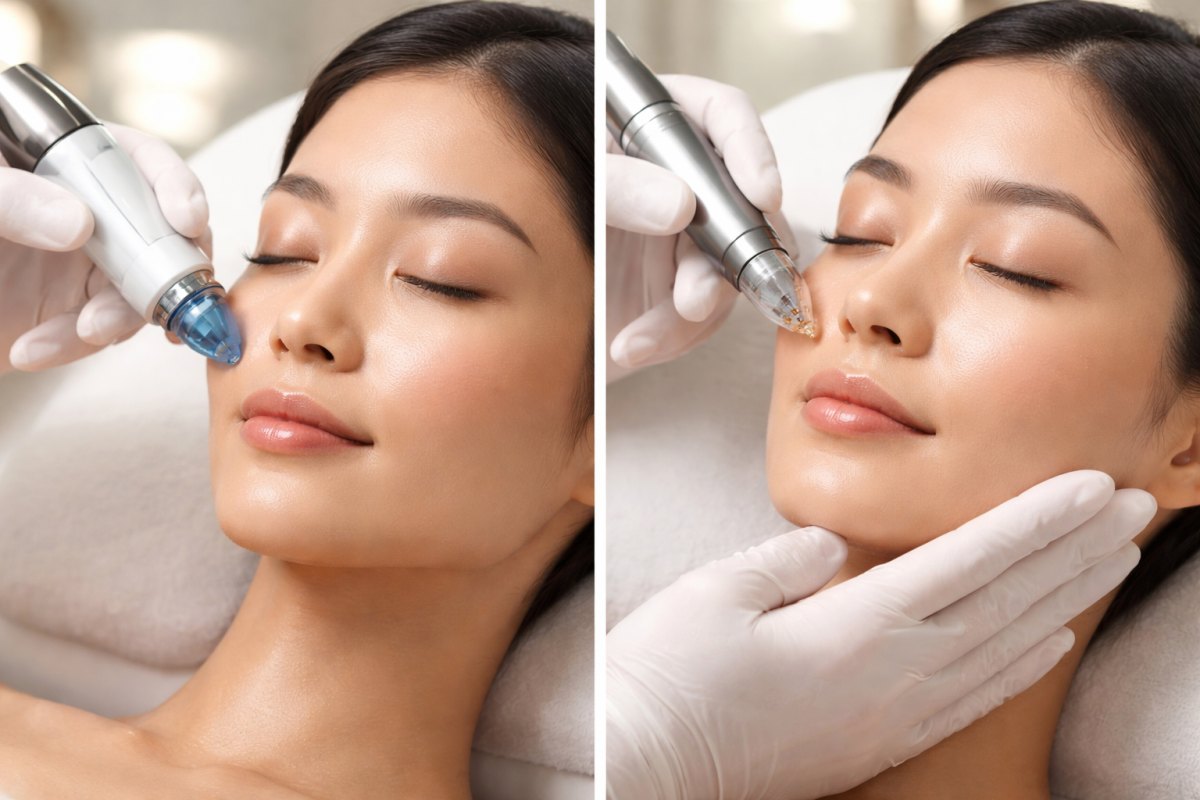
Hydrafacial is designed as a multi-step, in-clinic treatment that cleanses, exfoliates, extracts congestion, and infuses the skin with hydrating serums. For many patients, that makes it especially appealing when the skin looks dull, feels dehydrated, or has been stressed by heat, pollution, sunscreen build-up, and long days in air-conditioned rooms. In a city like Bangkok, where skin often has to deal with both humidity and urban grime, this combination can be very practical.
One reason Hydrafacial remains popular is that it offers a visibly refreshed look without the intensity of more aggressive procedures. It can suit patients who want a cleaner-looking complexion, a softer feel, and a fresh glow before work meetings, weddings, or weekend plans. It is also easy to customize. Some clinics now offer advanced booster options, including HydraFillic with Pep9™, which reflects the current trend toward peptide-based skin support for hydration and fine-line care.
For people asking about Hydrafacial for fine lines, it is important to keep expectations realistic. Hydrafacial is not a deep wrinkle treatment, but it can help skin look plumper and smoother when dehydration is making lines appear more obvious. That makes it a common choice for early anti-aging routines and maintenance between other procedures.
What nano-channeling does differently
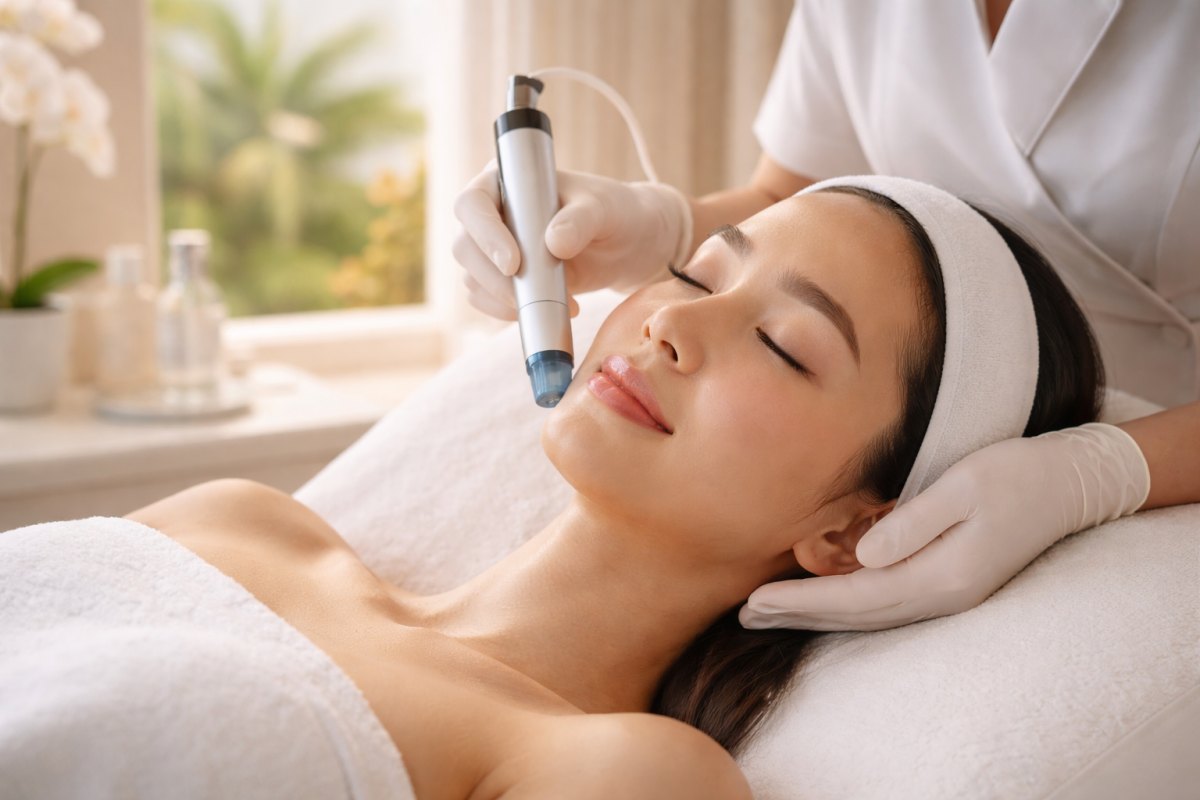
Nano-channeling, sometimes discussed alongside nano-infusion or nano-needling style protocols, is more focused on creating tiny channels at the skin surface so selected serums can be delivered more effectively. The treatment is often positioned as a gentle option for people who want to improve the look of texture, dullness, and early fine lines without the longer recovery associated with more invasive needling procedures.
In Thailand, nano-channeling Bangkok searches are growing because many patients want visible skin refinement but are cautious about redness and downtime. The appeal is that it can fit into a workday or a lunch break for some people, depending on the protocol used by the clinic. That said, nano-channeling may feel slightly more active than Hydrafacial because it is designed to create a controlled stimulation effect rather than focusing mainly on cleansing and suction-based resurfacing.
If your skin concern is mainly congestion, blackheads, or a “dirty” feeling from city living, nano-channeling is usually not the first tool people reach for. If your skin concern is a tired-looking surface with mild texture issues or early lines, it can make more sense, especially when a provider is pairing it with hydrating or barrier-supporting serums.
Hydrafacial vs nano-channeling: which is better for each concern?
For glow, Hydrafacial usually wins. The treatment is built to reveal fresher-looking skin quickly, which is why it is often described as a glow treatment Bangkok patients can fit into busy schedules. The cleaning and hydration steps can make the complexion look immediately more awake and polished.
For hydration, Hydrafacial also has a strong edge because serum infusion is a central part of the treatment. If your skin feels tight after office air-conditioning, travel, or frequent cleansing, that added hydration can be noticeable. Nano-channeling can support hydration too, but its main strength is usually not the same immediate dewy finish.
For texture and fine lines, nano-channeling may be more compelling if the concern is mild unevenness or early signs of aging. Hydrafacial can improve how smooth and fresh the skin appears, but nano-channeling is often chosen when the patient wants a slightly more active rejuvenation protocol. In practice, clinics may recommend one, the other, or a combination depending on skin sensitivity, goals, and timing.
For no downtime skin treatment Thailand searches, both treatments fit the brief better than many more aggressive procedures. Still, Hydrafacial typically has the easiest recovery profile. Some patients have a little temporary pinkness, but many go straight back to work. Nano-channeling can also have minimal downtime, though the exact experience depends on the device, serum choice, and depth of the procedure.
Which treatment suits busy Bangkok skin better?
For many Bangkok patients, the practical answer is Hydrafacial first, nano-channeling second, if the priority is immediate radiance and convenience. City skin is often exposed to heat, pollution, late nights, makeup, and sunscreen layering. Hydrafacial is well matched to that kind of routine because it gives the skin a reset without asking much from the patient afterward.
Nano-channeling may be a better fit if your main concern is subtle texture refinement and you are willing to accept a slightly more treatment-oriented experience. It can be attractive to people who already maintain a regular skincare routine and want an in-clinic step that complements their home regimen.
If you are comparing Hydrafacial Bangkok clinics, ask how the provider adjusts the session for your skin type, whether they use booster formulations, and how they decide when to recommend nano-channeling instead. A good clinic will not treat every face the same way. Instead, it will choose based on sensitivity, congestion, hydration level, and how quickly you need to look presentable again.
When combination treatment makes sense
One of the most important trends in aesthetic care right now is combination treatment. Instead of asking which treatment is universally better, more clinics are asking which order and pairing deliver the best value for the patient. That is why Hydrafacial plus nano-channeling is becoming a more interesting option in the market.
In a combination plan, Hydrafacial may be used first to cleanse, smooth, and hydrate the skin so the surface is well prepared. Nano-channeling may then be used in a separate session or as part of a tailored protocol to support texture refinement and product delivery. This can make sense for patients who want both instant glow and a longer-term skin quality strategy.
That said, combination care is not something to rush into without professional guidance. Timing matters, especially if your skin is reactive or if you are already using strong topical products. In Thailand’s climate, where skin can swing between oiliness, dehydration, and sensitivity, a careful plan is often better than doing too much at once.
What to ask before booking in Thailand
Before deciding between Hydrafacial vs nano-channeling Thailand, ask the clinic a few practical questions. Which treatment is more appropriate for your current skin condition? How much downtime should you expect? Are boosters included, and if so, what do they target? Can the provider explain whether your concern is mostly dehydration, congestion, or early fine lines?
You should also ask whether the clinic recommends a single treatment or a maintenance plan. Some patients only need a one-off refresh before an event. Others may benefit from a series, especially if the goal is to manage recurring dullness in humid weather or to support smoother skin over time. If you are unsure where to start, reviewing a trusted Hydrafacial treatment page or using a provider directory can help you compare options more efficiently.
For patients who want the easiest possible path to glow, Hydrafacial is often the first stop. For those who want a more targeted texture-and-fine-line approach, nano-channeling may be the better match. And for people who want both, a thoughtfully sequenced plan may be the most modern answer.
Bottom line: which one should you choose?
If your main goal is immediate glow, hydration, and a cleaner-looking complexion with minimal downtime, Hydrafacial is usually the stronger choice. If your main goal is gentle rejuvenation, product delivery, and a bit more focus on texture and early fine lines, nano-channeling may be more suitable. If your skin goals include both, a combination plan can be worth discussing with a qualified provider.
For busy readers in Bangkok and across Thailand, the best treatment is the one that fits your skin, schedule, and tolerance for recovery. The good news is that both options belong to the same modern category of low-downtime clinic care, which means you do not need to choose between taking care of your skin and keeping up with your life. To compare next steps, you can look into
Hydrafacial technology and device
andFind a Hydrafacial provider in Thailand
as you narrow down the right plan for your skin.